Join Our Community










Get the earliest access to hand-picked content weekly for free.
Spam-free guaranteed! Only insights.
Join Our Community
Get the earliest access to hand-picked content weekly for free.
Spam-free guaranteed! Only insights.
🎯 Quick Impact Summary
Suno v5.5 represents one of the biggest updates yet for the AI music generator, shifting focus from pure fidelity improvements to giving users real creative control. The new Voices feature lets you train the vocal model on your own voice, while My Taste and Custom Models enable deeply personalized music generation. This update transforms Suno from a novelty tool into a serious instrument for creators who want their AI-generated music to sound authentically theirs.
Suno's latest release prioritizes customization and user control, marking a significant departure from previous updates that focused primarily on audio quality and vocal naturalness.
Voices: Train the vocal model on your own voice by uploading clean acapellas, finished tracks, or recording directly into your phone or laptop microphone. The cleaner your source material, the less data required to create an accurate voice model.
My Taste: A personalization engine that learns your musical preferences and style, allowing Suno to generate music that aligns with your unique taste rather than generic outputs.
Custom Models: Build your own AI music models based on specific genres, styles, or sonic characteristics you want to emphasize in your generations.
Voice Safety Protections: Built-in safeguards prevent unauthorized voice cloning and protect against misuse of the voice training feature.
Improved Vocal Quality: Enhanced natural-sounding vocals that integrate seamlessly with generated instrumentals and backing tracks.
Flexible Input Options: Accept multiple audio formats and quality levels, automatically optimizing for best results regardless of source material.
Suno v5.5 builds on advanced neural audio synthesis technology with significant improvements to voice modeling and personalization infrastructure.
Voice Model Training: Accepts acapella recordings, full tracks with backing music, or live microphone input; automatically optimizes quality based on source material cleanliness.
Model Architecture: Enhanced neural network designed to capture vocal characteristics, timbre, and performance nuances from minimal training data.
Personalization Engine: Machine learning system that analyzes generation history and user preferences to refine output recommendations over time.
Multi-Format Support: Compatible with standard audio formats including WAV, MP3, and AAC; works across web, iOS, and Android platforms.
Processing Speed: Real-time voice model training with generation results typically available within minutes of submission.
Authentic Voice Representation: Generate music with your actual voice or a trained vocal model, eliminating generic AI vocal artifacts.
Reduced Training Data Requirements: High-quality voice models can be created from minimal audio input, making the process accessible and fast.
Personalized Output: My Taste learns your preferences to generate music that matches your style, increasing usability of generated tracks.
Creative Control: Custom Models let you define the sonic direction of your generations, moving beyond one-size-fits-all outputs.
Faster Iteration: Combined features enable rapid experimentation with personalized variations, reducing time from concept to finished track.
What Each Feature Actually Means:
Voices: Instead of hearing generic AI vocals on your track, you can now upload a 30-second sample of your own singing and have Suno generate new melodies and lyrics in your actual voice. A bedroom pop artist could record a quick vocal sample, then generate dozens of unique song variations with their voice without re-recording.
My Taste: Rather than getting random musical suggestions, Suno learns that you prefer lo-fi hip-hop with jazzy chords and adjusts its generation algorithm accordingly. After generating 10 tracks you love, the 11th suggestion will be significantly closer to your actual preferences.
Custom Models: A music producer working in a specific subgenre can train a model on their favorite reference tracks, then generate original music that stays within that sonic territory. This prevents the "generic AI music" problem where outputs don't match your intended style.
Voice Safety: The system prevents someone from uploading a celebrity's voice and generating unauthorized content, protecting both creators and public figures from misuse.
Flexible Input: You don't need professional recording equipment. A voice memo recorded on your phone works fine, and Suno automatically handles quality optimization behind the scenes.
Before
Previous Suno versions generated music with generic AI vocals that sounded noticeably artificial, forcing users to either accept robotic-sounding singers or manually replace vocals in a DAW. Personalization was minimal, meaning every user got similar outputs regardless of their musical taste or genre preferences. Users had limited control over the final sonic direction.
After
Suno v5.5 lets you train models on your own voice, creating music that sounds authentically yours without post-production work. The My Taste engine learns your preferences, and Custom Models give you precise control over the sonic direction. Generated music now feels personalized rather than generic.
📈 Expected Impact: Users can now create finished, personalized tracks 5-10x faster than before, with vocal authenticity that rivals professional recordings.
Use Case: Voiceover artists can use Suno's Voices feature to create AI-generated backup vocals, harmonies, and vocal layers for projects without hiring additional singers. Train the model on your own voice to generate variations for demos or audition materials.
Key Benefit: Expand your service offerings by providing clients with AI-generated vocal arrangements and layered vocals, increasing project scope and revenue without additional recording sessions.
Workflow Integration: Upload your voice sample once, then generate unlimited vocal variations for different projects. Integrate generated vocals directly into client deliverables or use as reference tracks for live recording.
Skill Development: Learn voice modeling techniques and AI audio production, positioning yourself as a tech-forward creator in an increasingly AI-integrated industry.
Competitive Advantage: Offer faster turnaround on vocal projects and unique AI-enhanced vocal arrangements that traditional voiceover artists cannot provide.
Use Case: 3D modelers creating animated characters, game assets, or virtual environments can generate custom background music and ambient soundscapes for their projects using Suno's personalized models.
Key Benefit: Create cohesive multimedia projects by generating custom audio that matches the visual style and mood of your 3D work without licensing costs or external composer dependencies.
Workflow Integration: Train a Custom Model on reference tracks that match your project's aesthetic, then generate variations for different scenes or environments. Iterate quickly on audio-visual combinations.
Skill Development: Expand your creative toolkit beyond visual design into audio production, making you a more versatile multimedia creator.
Competitive Advantage: Deliver complete audiovisual packages to clients, differentiating yourself from modelers who only provide visual assets.
Use Case: Music producers use Suno v5.5 to generate instrumental ideas, vocal melodies, and full song sketches that serve as starting points for production. Train Custom Models on your signature sound to maintain consistency across projects.
Key Benefit: Dramatically accelerate the songwriting and arrangement phase by generating multiple variations in minutes, then refining the best options in your DAW. My Taste learns your production style, reducing time spent on unsuitable suggestions.
Workflow Integration: Generate rough tracks in Suno, export as stems, import into your DAW (Ableton, Logic, Pro Tools) for mixing and mastering. Use the Voices feature to experiment with vocal arrangements before committing to vocalist sessions.
Skill Development: Master AI-assisted production workflows and learn to blend AI generation with traditional production techniques, staying competitive in modern music production.
Competitive Advantage: Reduce production timelines by 30-50%, take on more projects, and offer clients faster turnaround without sacrificing quality. Use AI as a creative partner rather than replacement.
For Beginners:
For Power Users:
Clean Audio Input: Use the highest quality voice recording possible for your Voices model. A quiet room and decent microphone dramatically improve results compared to phone recordings.
Prompt Specificity: Include mood, genre, tempo, and instrumentation in your text prompts. "Upbeat indie pop with acoustic guitar and my voice" generates better results than "make a song."
Iterative Refinement: Generate 5-10 variations of the same prompt, then rate them in My Taste. This trains the personalization engine to understand your preferences faster.
Voice Model Variety: Train separate voice models for different vocal styles (lead vocals, harmonies, whisper, powerful belt) to expand creative possibilities without retraining.
FAQ
AI Spotlights
Unleashing Today's trailblazer, this week's game-changers, and this month's legends in AI. Dive in and discover tools that matter.

Claude Fable 5 Review: Mythos Power with Safety
Gemma 4 12B Review: Multimodal AI on Your Laptop
Google Dreambeans Review: AI Cartoon Stories
NVIDIA Nemotron 3 Ultra: 550B MoE LLM Review
Meta AI Agent for Enterprises: Global Launch
Gemini Omni and 3.5: Google's Latest AI Models
Step 3.7 Flash Review: 198B MoE Vision-Language Model

Gemini Spark Review: Google's AI Agent Goes Personal
Microsoft Agent Governance Toolkit Review
Gemini Spark AI Agent Review: Always-On Automation

MAI-Thinking-1 Review: Microsoft's Advanced Reasoning AI
Microsoft Scout Review: OpenClaw-Powered AI Assistant

Microsoft MDASH Review: 100+ AI Agents for Threat Hunting
Google Phone App Fake Call Detection Review
Stable Audio 3 Review: Fast AI Audio Generation
Claude Opus 4.8: Dynamic Workflows & Faster AI
Microsoft 365 Copilot Redesign: 2x Speed Boost

Perplexity Bumblebee: AI Supply Chain Security Scanner

AWS OpenSearch Serverless Review: Enterprise Search Reimagined
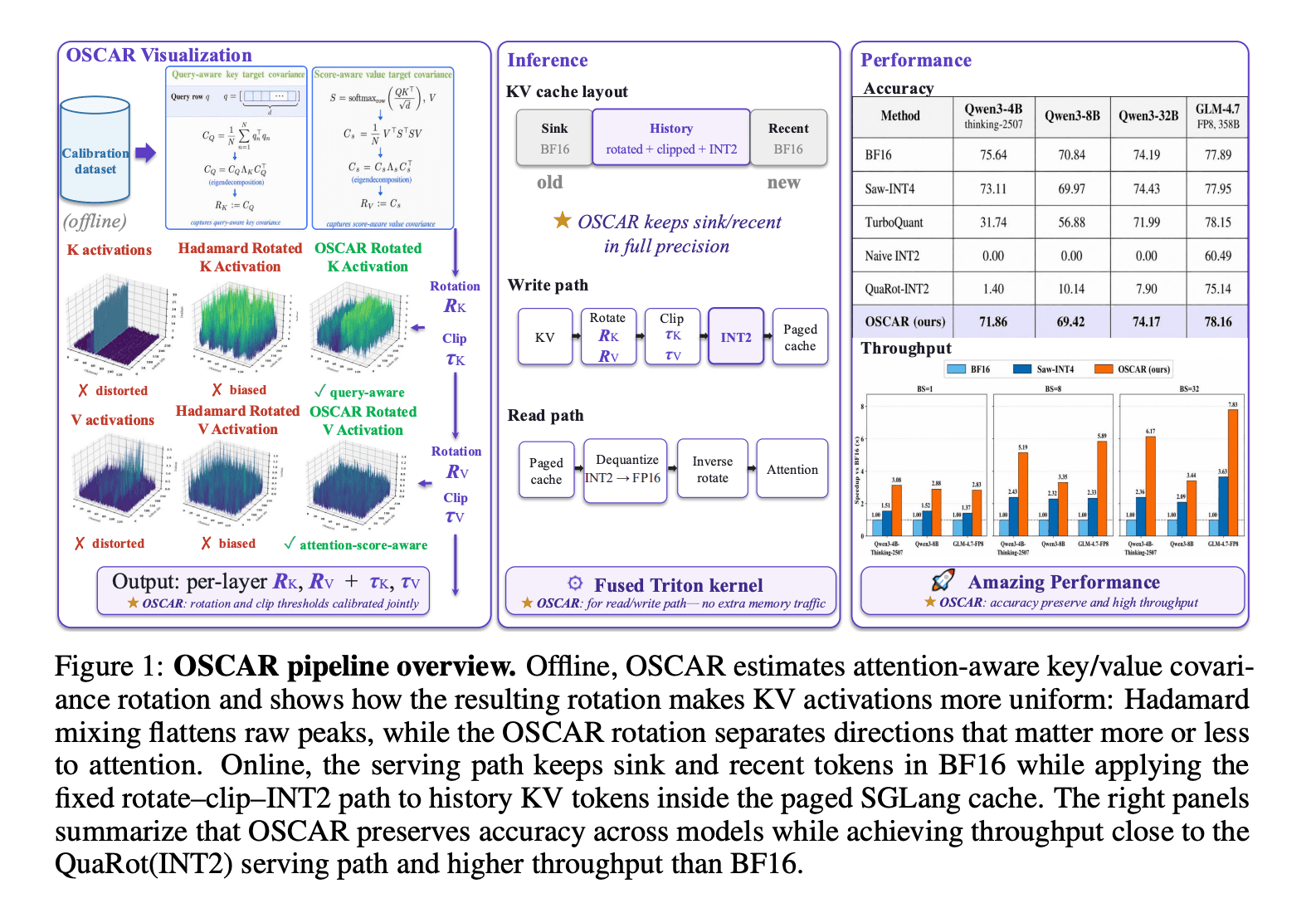
OSCAR: 2-Bit KV Cache Quantization for LLMs
You Might Like These Latest News
All AI NewsStay informed with the latest AI news, breakthroughs, trends, and updates shaping the future of artificial intelligence.
Microsoft Patches Zero-Day After Researcher Disclosure
Jun 10, 2026
NVIDIA GPUs Power Apple's Private Cloud Compute Expansion
Jun 10, 2026
GM Launches Vehicle-to-Grid Tech to Power AI Data Centers
Jun 10, 2026
Alphabet's $85B AI Investment Signals Major Shift
Jun 5, 2026
AI Cognitive Fatigue: Work Smarter, Not Harder
Jun 5, 2026
Nvidia Unveils Physical AI Research with Cosmos 3
Jun 5, 2026
Airbnb CEO Launches AI Lab to Build Custom LLMs
Jun 5, 2026
Anthropic's IPO Filing Balances Growth With Responsible AI
Jun 3, 2026
Meta's AI Chatbot Exploited to Hijack Instagram Accounts
Jun 3, 2026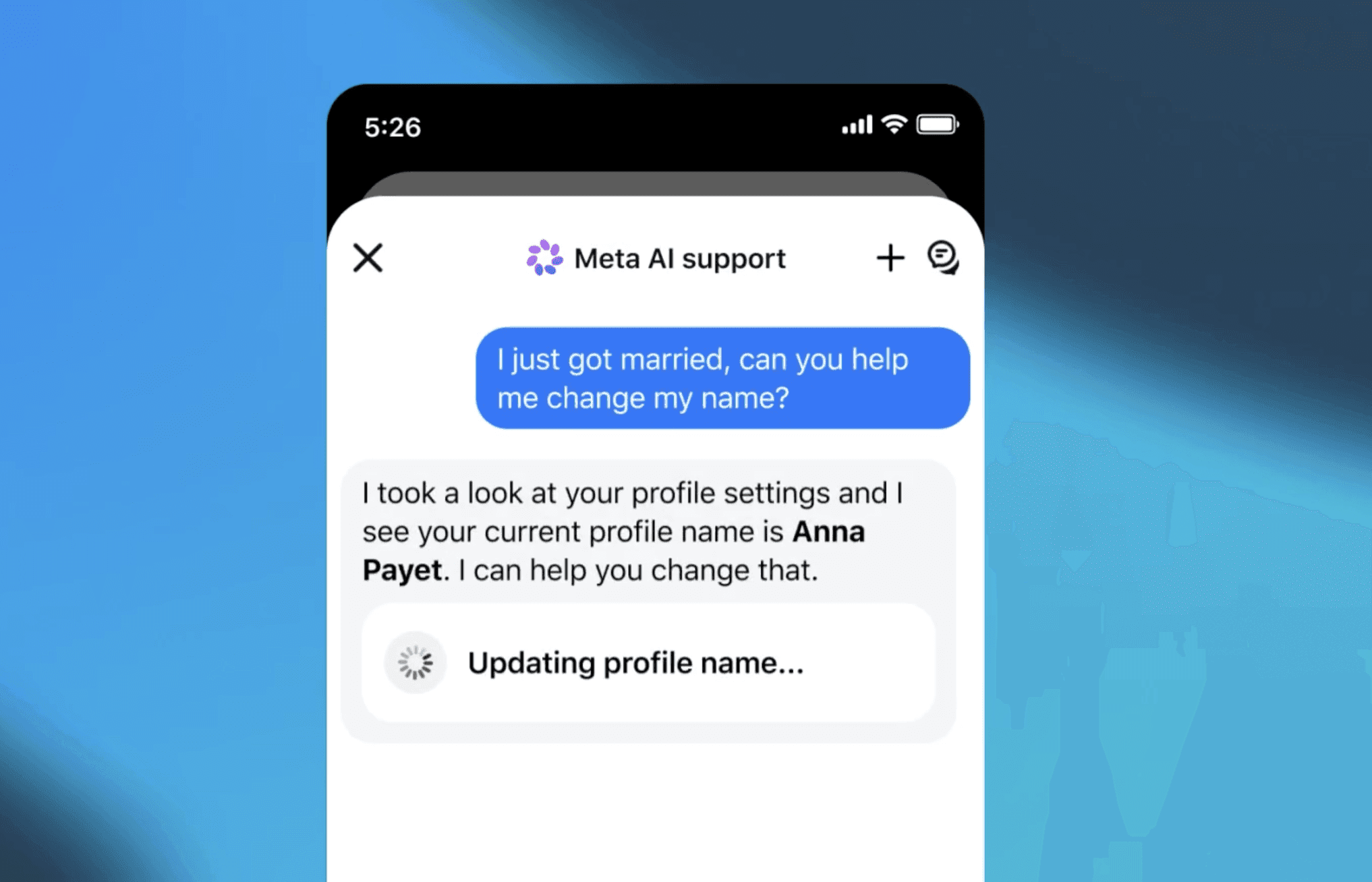

Discover the top AI tools handpicked daily by our editors to help you stay ahead with the latest and most innovative solutions.