









Age of AI Toolsv2.beta
For YouJobsUse Cases
Media-HubNEW

Join Our Community

Get the earliest access to hand-picked content weekly for free.

Spam-free guaranteed! Only insights.
Join Our Community

Get the earliest access to hand-picked content weekly for free.

Spam-free guaranteed! Only insights.

Trusted by Leading Review and Discovery Websites

Age of AI Tools on Product HuntApproved on SaaSHubAlternativeTo
AI Tools
  • For You!
  • Discover All AI Tools
  • Best AI Tools
  • Free AI Tools
  • Tools of the DayNEW
  • All Use Cases
  • All Jobs
Trend UseCases
  • AI Image Generators
  • AI Video Generators
  • AI Voice Generators
Trend Jobs
  • Graphic Designer
  • SEO Specialist
  • Email Marketing Specialist
Media Hub
  • Go to Media Hub
  • AI News
  • AI Tools Spotlights
Age of AI Tools
  • What's New
  • Story of Age of AI Tools
  • Cookies & Privacy
  • Terms & Conditions
  • Request Update
  • Bug Report
  • Contact Us
Submit & Advertise
  • Submit AI Tool
  • Promote Your Tool50% Off

Agent of AI Age

Looking to discover new AI tools? Just ask our AI Agent

Copyright © 2026 Age of AI Tools. All Rights Reserved.

Media HubTools SpotlightMicrosoft MDASH Review: 100+ AI Agents for Threat Hunting
3 Jun 20265 min read

Microsoft MDASH Review: 100+ AI Agents for Threat Hunting

Microsoft MDASH Review: 100+ AI Agents for Threat Hunting

🎯 Quick Impact Summary

Microsoft's MDASH has officially exited preview with a powerful new capability: over 100 specialized threat-hunting AI agents that autonomously search for real, exploitable vulnerabilities in your systems. These agents don't just flag theoretical risks—they connect findings directly to Microsoft Defender and GitHub, enabling developers to fix issues faster and reduce security debt. This represents a fundamental shift from reactive patching to proactive, AI-driven vulnerability discovery.

What's New in Microsoft MDASH

Microsoft's MDASH platform now features a comprehensive suite of threat-hunting agents that work autonomously to identify exploitable security flaws. The exit from preview marks the maturation of this agentic AI approach to vulnerability management.

  • 100+ Specialized Threat-Hunting Agents: Each agent focuses on specific vulnerability patterns, attack vectors, and threat scenarios, enabling comprehensive coverage across diverse attack surfaces and application types.
  • Direct Defender Integration: Findings automatically sync with Microsoft Defender, creating a unified security posture and eliminating manual data transfer between tools.
  • GitHub Repository Connection: Vulnerabilities link directly to GitHub, enabling developers to create issues, track remediation, and implement fixes without context switching.
  • Exploitability Assessment: Agents evaluate whether discovered vulnerabilities are actually exploitable in your environment, reducing false positives and focusing teams on real threats.
  • Autonomous Threat Hunting: AI agents continuously scan systems without human intervention, operating 24/7 to identify emerging threats and zero-day patterns.
  • Production-Ready Reliability: Exit from preview indicates Microsoft has validated the system's stability, accuracy, and performance at enterprise scale.

Technical Specifications

MDASH's architecture leverages advanced AI models and deep security expertise to deliver autonomous threat detection at scale.

  • Agent Architecture: 100+ specialized agents built on agentic AI frameworks, each trained on specific vulnerability classes, CVSS scoring patterns, and exploit methodologies.
  • Integration Points: Native connectors to Microsoft Defender, GitHub APIs, and Azure security services enable seamless data flow and automated remediation workflows.
  • Continuous Scanning: Agents operate in real-time monitoring mode, analyzing system configurations, code repositories, and runtime behavior to identify exploitable flaws.
  • Threat Intelligence: Agents leverage Microsoft's threat intelligence database, including data from billions of security signals and industry vulnerability research.
  • Supported Platforms: Works across Azure, on-premises, and hybrid environments; integrates with Windows, Linux, and containerized workloads.

Official Benefits

  • Faster Vulnerability Discovery: Autonomous agents identify exploitable flaws continuously, reducing mean time to detection (MTTD) compared to manual security reviews.
  • Reduced False Positives: Exploitability assessment filters out theoretical vulnerabilities, enabling security teams to focus on threats that actually matter.
  • Accelerated Remediation: Direct GitHub integration enables developers to begin fixing issues immediately, reducing mean time to remediation (MTTR).
  • 24/7 Threat Hunting: Agents work continuously without fatigue, providing round-the-clock vulnerability detection that human teams cannot match.
  • Unified Security Posture: Integration with Defender creates a single source of truth for vulnerability status, eliminating data silos and improving visibility.

Real-World Translation

What Each Feature Actually Means:

  • 100+ Specialized Agents: Instead of deploying one generic scanner, you get dozens of AI agents, each expert in specific attack patterns. For example, one agent hunts SQL injection vulnerabilities in legacy databases while another focuses on supply chain risks in third-party dependencies—all working simultaneously.
  • Exploitability Assessment: The system doesn't just flag every potential issue; it determines whether each vulnerability can actually be exploited in your specific environment. A buffer overflow in a service you've hardened might be flagged but marked as unexploitable, saving your team from investigating dead ends.
  • Defender Integration: When MDASH discovers a vulnerability, it automatically appears in your Microsoft Defender dashboard alongside other security events. Your SOC team sees the threat in context with other incidents, enabling faster triage and response.
  • GitHub Connection: A developer working on a microservice receives a GitHub issue automatically created by MDASH, complete with vulnerability details, remediation steps, and risk assessment. They can fix it in their normal workflow without switching to a separate security tool.
  • Autonomous Operation: Your security team sleeps while MDASH agents scan your infrastructure for new threats. By morning, the system has completed threat hunts that would take human analysts weeks, and any critical findings are already in Defender awaiting action.

Before vs After

Before

Organizations relied on scheduled vulnerability scans, manual code reviews, and reactive patching cycles. Security teams struggled to prioritize threats, often investigating theoretical vulnerabilities with no real exploitability in their environment. Fixing vulnerabilities required developers to switch between security tools, GitHub, and ticketing systems, slowing remediation significantly.

After

Microsoft MDASH continuously hunts for exploitable vulnerabilities using 100+ specialized AI agents. Findings automatically appear in Defender and GitHub with exploitability context, enabling developers to fix real threats immediately. Security teams focus only on actionable vulnerabilities while agents work 24/7 to identify emerging threats.

📈 Expected Impact: Organizations can reduce vulnerability discovery time by 70-80% while cutting false positive investigation by 50%+ through exploitability filtering.

Job Relevance Analysis

Cybersecurity & Detection

HIGH Impact
  • Use Case: Security analysts and threat hunters use MDASH to automate vulnerability discovery across enterprise infrastructure, reducing manual scanning time from weeks to hours and enabling focus on threat investigation and incident response.
  • Key Benefit: 100+ specialized agents eliminate the need to manually configure multiple scanners; agents autonomously hunt for exploitable threats 24/7, providing comprehensive coverage that human teams cannot match.
  • Workflow Integration: MDASH findings integrate directly into Microsoft Defender dashboards, enabling analysts to triage threats in their existing SOC workflow without context switching to separate vulnerability management tools.
  • Skill Development: Analysts develop expertise in interpreting AI-generated threat assessments, prioritizing exploitable vulnerabilities, and collaborating with developers on rapid remediation.
  • Efficiency Gain: Reduces mean time to detection (MTTD) and mean time to remediation (MTTR), enabling security teams to maintain stronger security posture with existing headcount.

Automation Engineer

HIGH Impact
  • Use Case: Automation engineers design and manage workflows that consume MDASH vulnerability data, automatically creating tickets, triggering remediation pipelines, and updating security dashboards based on threat severity and exploitability.
  • Key Benefit: MDASH's direct GitHub and Defender integration eliminates manual data transfer; engineers can build end-to-end automation that moves vulnerabilities from discovery to fix without human intervention.
  • Workflow Integration: MDASH becomes a data source for orchestration platforms; engineers build workflows that trigger based on vulnerability type, severity, and exploitability, enabling intelligent routing to appropriate teams.
  • Skill Development: Engineers develop expertise in agentic AI systems, security data integration, and building resilient automation that handles continuous threat discovery at scale.
  • Efficiency Gain: Reduces operational overhead by automating vulnerability triage, ticket creation, and escalation, enabling teams to handle 3-5x more vulnerabilities with the same resources.
Automation Engineer

Increase your productivity with these AI solutions for automation, quality assurance, integration, collaboration, and code creation.

5,288 Tools
Automation Engineer

AI Researcher

MEDIUM Impact
  • Use Case: AI researchers study MDASH's agentic architecture to understand how specialized AI agents collaborate on complex security problems, contributing to broader research on multi-agent systems and autonomous threat detection.
  • Key Benefit: MDASH provides a real-world production system for studying how 100+ agents coordinate to solve vulnerability detection, offering insights into agent specialization, coordination mechanisms, and exploitability assessment algorithms.
  • Workflow Integration: Researchers can access anonymized MDASH data to study vulnerability patterns, false positive rates, and agent performance metrics, contributing to improvements in threat-hunting AI models.
  • Skill Development: Researchers develop expertise in agentic AI architectures, security-focused machine learning, and evaluating AI system performance in high-stakes environments where accuracy directly impacts organizational security.
  • Research Opportunities: MDASH's exploitability assessment mechanism presents opportunities for research into how AI systems determine real-world threat impact, contributing to more effective AI-driven security systems.
AI Researcher

Advance innovation with AI tools for academic research, data analysis, knowledge representation, decision-making, and AI-powered chatbots.

6,692 Tools
AI Researcher

Getting Started

How to Access

  • Microsoft Account: Sign in with your Microsoft account or organizational credentials to access MDASH through the Azure portal or Microsoft security dashboard.
  • Defender Integration: MDASH is available to organizations with Microsoft Defender for Cloud or Defender for Endpoint subscriptions; check your current licensing.
  • GitHub Connection: Link your GitHub organization or repositories to enable automatic issue creation and vulnerability tracking within your development workflow.
  • Configuration: Configure which systems, applications, and code repositories MDASH should scan; specify threat hunting priorities and exploitability thresholds.

Quick Start Guide

For Beginners:

  1. Access MDASH through your Microsoft Defender dashboard and complete the initial setup wizard to connect your infrastructure and GitHub repositories.
  2. Review the default threat-hunting agent profiles and select which vulnerability types are most relevant to your organization (e.g., web application vulnerabilities, supply chain risks).
  3. Enable automatic syncing to Defender and GitHub, then monitor the dashboard for initial vulnerability discoveries over the first 24-48 hours.
  4. Review the exploitability assessment for each finding and prioritize vulnerabilities marked as "exploitable in your environment" for immediate remediation.

For Power Users:

  1. Customize agent profiles by adjusting sensitivity thresholds, enabling advanced threat hunting modes, and configuring specialized agents for your unique attack surface.
  2. Build automation workflows in your orchestration platform that consume MDASH findings, automatically creating GitHub issues, triggering CI/CD security gates, and escalating critical threats.
  3. Integrate MDASH data with your SIEM or security analytics platform to correlate vulnerability discoveries with other security events and threat intelligence.
  4. Set up custom reporting and dashboards that track vulnerability discovery trends, remediation velocity, and agent performance metrics over time.
  5. Configure advanced filters to focus on specific vulnerability classes, severity levels, or business-critical systems, reducing noise and enabling targeted threat hunting.

Pro Tips

  • Start with High-Confidence Agents: Begin with MDASH agents focused on common, well-understood vulnerabilities (e.g., known CVEs, OWASP Top 10) before expanding to advanced threat hunting modes.
  • Leverage Exploitability Filtering: Use the exploitability assessment to filter out theoretical vulnerabilities; focus your team on threats that can actually be exploited in your environment to maximize remediation ROI.
  • Automate Remediation Workflows: Connect MDASH to your CI/CD pipeline so that critical vulnerabilities automatically trigger security gates, preventing vulnerable code from reaching production.
  • Monitor Agent Performance: Track which agents discover the most actionable vulnerabilities in your environment and adjust their sensitivity or focus based on your organization's threat landscape.

Getting Started

FAQ

Related Topics

Microsoft MDASH reviewAI threat hunting agentsvulnerability detection AIMicrosoft Defender integration

Table of contents

What's New in Microsoft MDASHTechnical SpecificationsOfficial BenefitsReal-World TranslationJob Relevance AnalysisGetting StartedGetting StartedFAQ
Impact LevelHIGH
Update ReleasedJanuary 1, 2026

Best for

AI ResearcherAutomation EngineerCybersecurity & Detection

Related Use Cases

AI Cybersecurity ToolsAI Automation ToolsAI Developer Tools

Related Articles

Gemini Omni and 3.5: Google's Latest AI Models
Step 3.7 Flash Review: 198B MoE Vision-Language Model
Gemini Spark Review: Google's AI Agent Goes Personal
All AI Spotlights

Editor's Pick Articles

Google Gemini App Update 2026: AI Chatbot Powerhouse
Notion AI Agents: Turn Your Workspace Into an AI Hub
Perplexity Personal Computer: AI Agents for Mac
All Articles
Special offer for AI Owners – 50% OFF Promotional Plans

Join Our Community

Get the earliest access to hand-picked content weekly for free.

Spam-free guaranteed! Only insights.

Follow Us on Socials

Don't Miss AI Topics

ai art generatorai voice generatorai text generatorai avatar generatorai designai writing assistantai audio generatorai content generatorai dubbingai graphic designai banner generatorai in dropshipping

AI Spotlights

Unleashing Today's trailblazer, this week's game-changers, and this month's legends in AI. Dive in and discover tools that matter.

All AI Spotlights
Gemini Omni and 3.5: Google's Latest AI Models
Gemini Omni and 3.5: Google's Latest AI Models

Step 3.7 Flash Review: 198B MoE Vision-Language Model

Step 3.7 Flash Review: 198B MoE Vision-Language Model

Gemini Spark Review: Google's AI Agent Goes Personal
Gemini Spark Review: Google's AI Agent Goes Personal

Microsoft Agent Governance Toolkit Review
Microsoft Agent Governance Toolkit Review

Gemini Spark AI Agent Review: Always-On Automation
Gemini Spark AI Agent Review: Always-On Automation

MAI-Thinking-1 Review: Microsoft's Advanced Reasoning AI
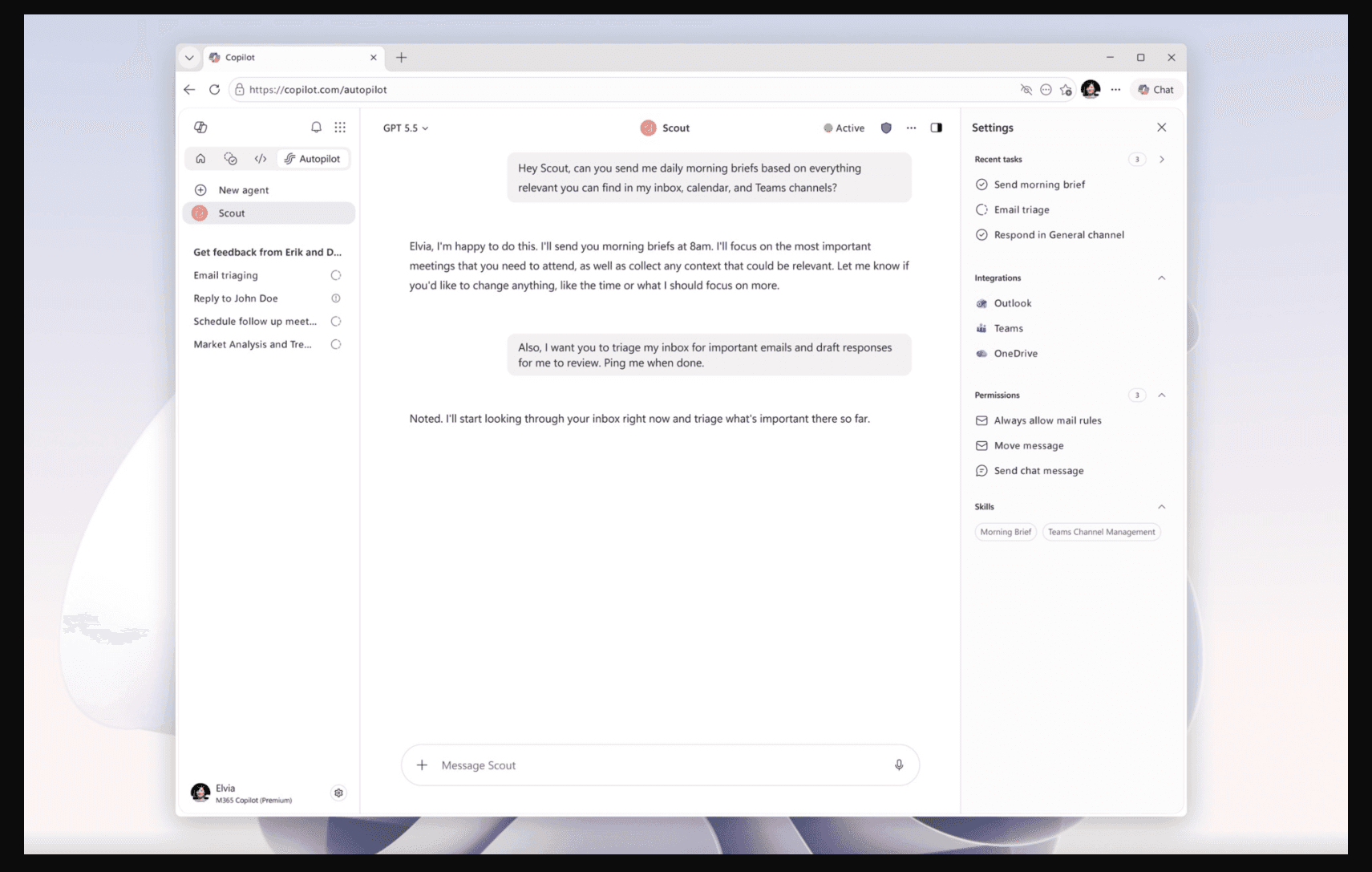
MAI-Thinking-1 Review: Microsoft's Advanced Reasoning AI

Microsoft Scout Review: OpenClaw-Powered AI Assistant

Microsoft Scout Review: OpenClaw-Powered AI Assistant

Google Phone App Fake Call Detection Review
Google Phone App Fake Call Detection Review

Stable Audio 3 Review: Fast AI Audio Generation
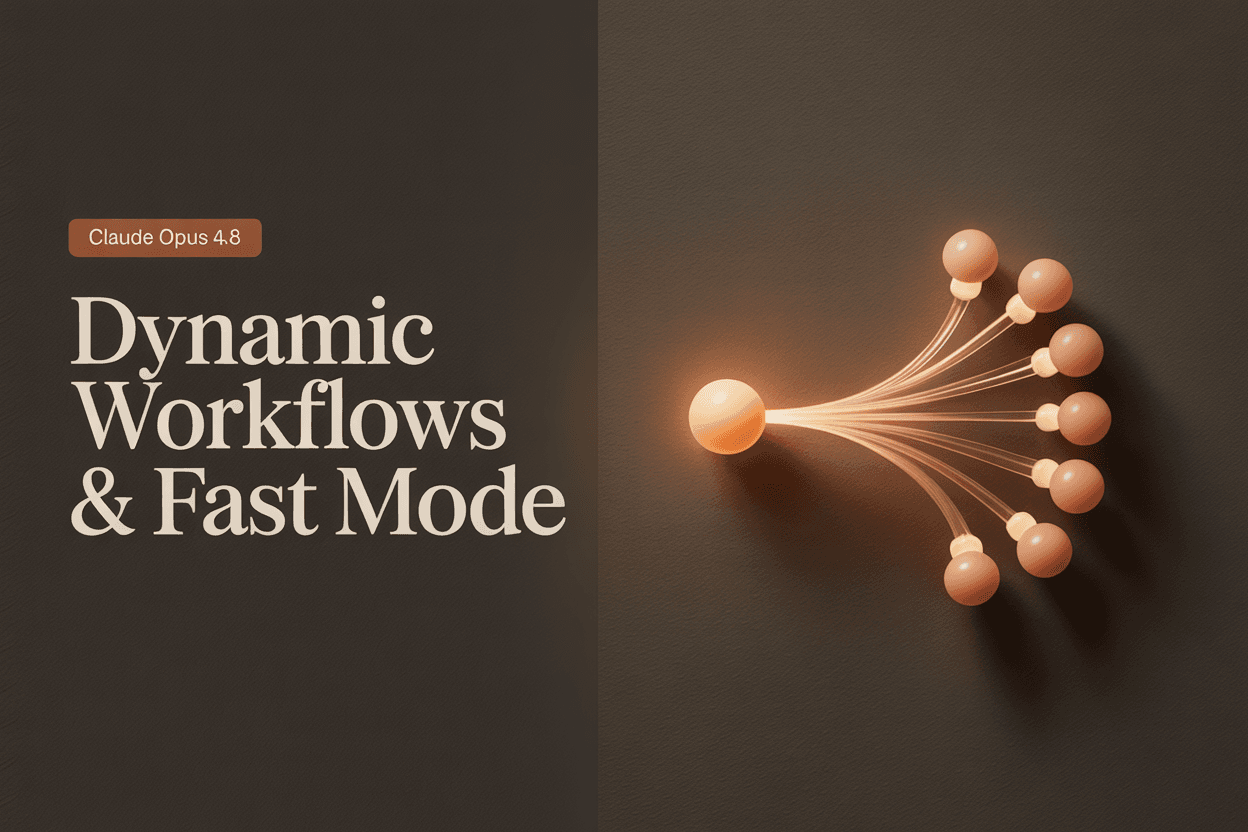
Stable Audio 3 Review: Fast AI Audio Generation

Claude Opus 4.8: Dynamic Workflows & Faster AI
Claude Opus 4.8: Dynamic Workflows & Faster AI

Microsoft 365 Copilot Redesign: 2x Speed Boost

Microsoft 365 Copilot Redesign: 2x Speed Boost

Perplexity Bumblebee: AI Supply Chain Security Scanner

Perplexity Bumblebee: AI Supply Chain Security Scanner

AWS OpenSearch Serverless Review: Enterprise Search Reimagined
AWS OpenSearch Serverless Review: Enterprise Search Reimagined

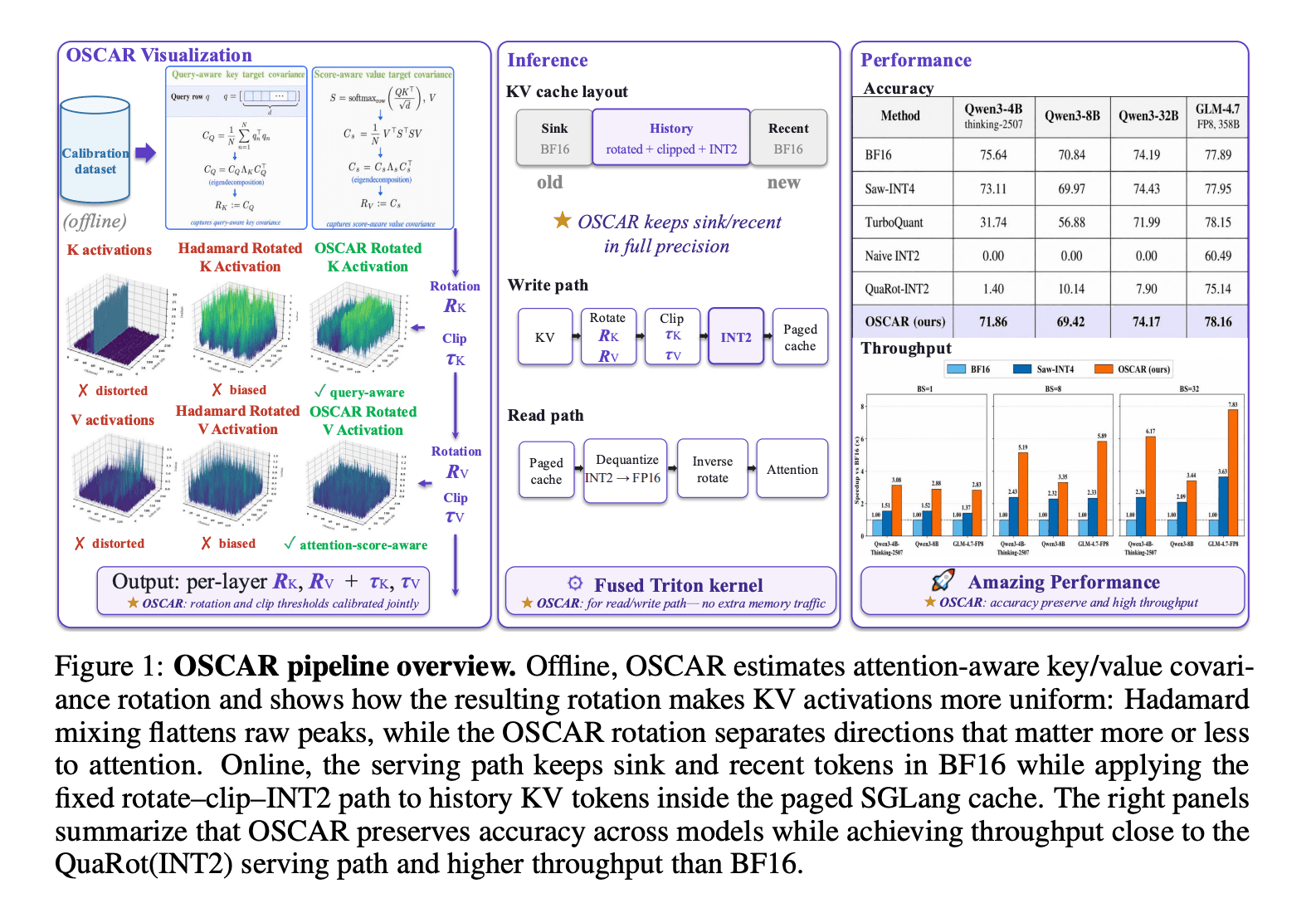
OSCAR: 2-Bit KV Cache Quantization for LLMs

OSCAR: 2-Bit KV Cache Quantization for LLMs

StepAudio 2.5 Realtime: AI Voice Model Review

StepAudio 2.5 Realtime: AI Voice Model Review

Google I/O 2026: Gemini Omni & AI Breakthroughs

Google I/O 2026: Gemini Omni & AI Breakthroughs

IrisGo Review: AI Desktop Buddy Learns Your Tasks

IrisGo Review: AI Desktop Buddy Learns Your Tasks

Clouted Review: AI Video Clipping for Viral Shorts

Clouted Review: AI Video Clipping for Viral Shorts

Qwen3.7-Max Review: 1M-Token Reasoning Agent

Qwen3.7-Max Review: 1M-Token Reasoning Agent

You Might Like These Latest News

All AI News

Stay informed with the latest AI news, breakthroughs, trends, and updates shaping the future of artificial intelligence.

Anthropic's IPO Filing Balances Growth With Responsible AI

Jun 3, 2026

Anthropic's IPO Filing Balances Growth With Responsible AI

Meta's AI Chatbot Exploited to Hijack Instagram Accounts

Jun 3, 2026
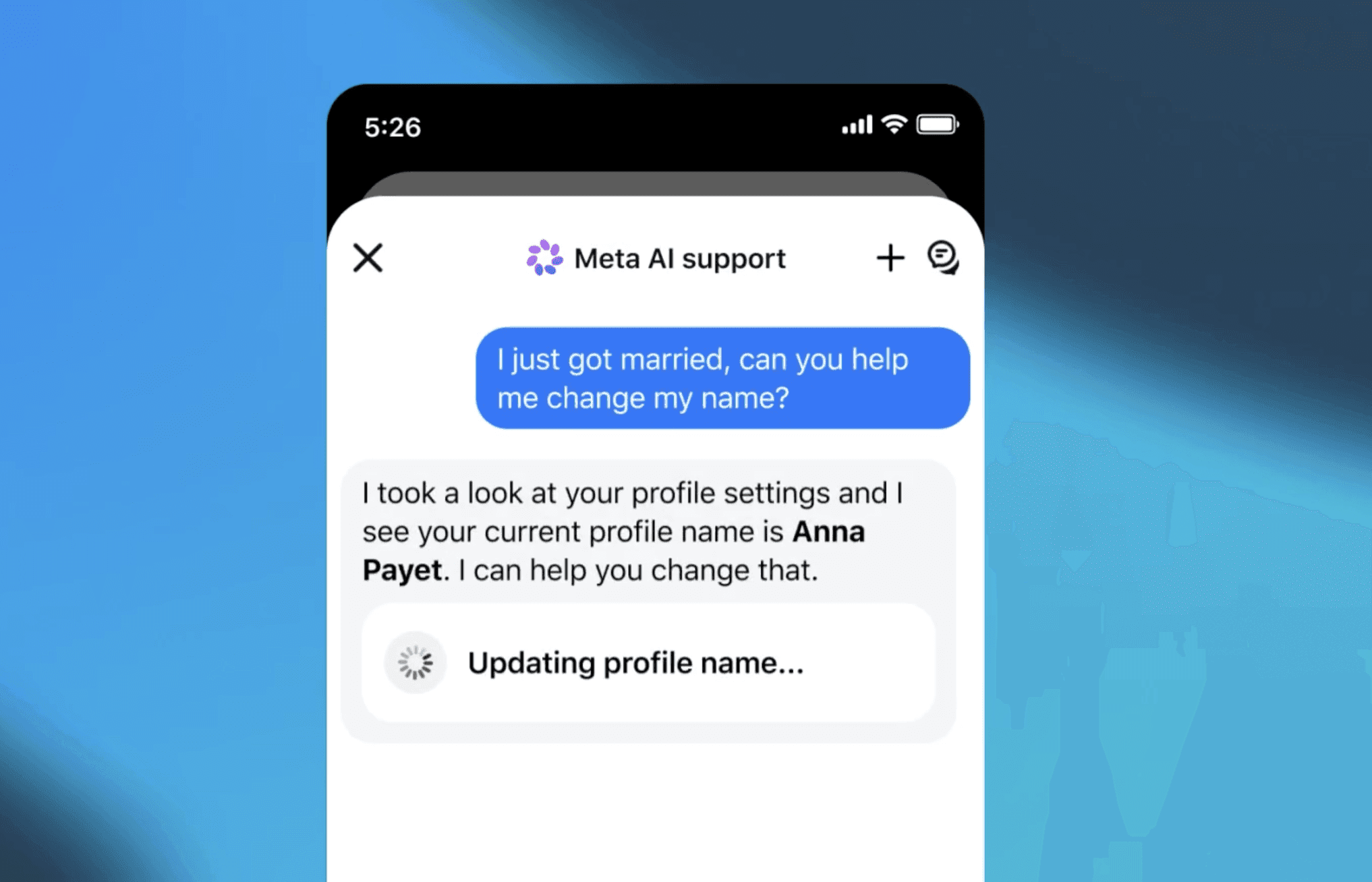
Meta's AI Chatbot Exploited to Hijack Instagram Accounts

Anthropic IPO Filing: AI Enters Enterprise Utility Phase

Jun 3, 2026
Anthropic IPO Filing: AI Enters Enterprise Utility Phase

Groq Raises $650M as AI Chip Startup Pivots to Inference

Jun 3, 2026
Groq Raises $650M as AI Chip Startup Pivots to Inference

Coders Ditching AI Tools Risk Quality Issues

Jun 3, 2026
Coders Ditching AI Tools Risk Quality Issues

Nvidia Targets $200B CPU Market With AI Agent PCs

Jun 3, 2026
Nvidia Targets $200B CPU Market With AI Agent PCs

Microsoft Build 2026: AI Dev Tools and Personal Assistant

Jun 3, 2026
Microsoft Build 2026: AI Dev Tools and Personal Assistant

Trump Orders AI Model Review Before Release

Jun 3, 2026
Trump Orders AI Model Review Before Release

DuckDuckGo Installs Surge 30% as Users Reject Google AI Search

May 29, 2026
DuckDuckGo Installs Surge 30% as Users Reject Google AI Search
Tools of The Day

Tools of The Day

Discover the top AI tools handpicked daily by our editors to help you stay ahead with the latest and most innovative solutions.


10MAR
Adobe Illustrator
Adobe Illustrator
9MAR
Adobe Firefly
Adobe Firefly
8MAR
Adobe Sensei
Adobe Sensei
7MAR
Adobe Photoshop
Adobe Photoshop
6MAR
Adobe Firefly
Adobe Firefly
5MAR
Shap-E
Shap-E
4MAR
Point-E
Point-E

Explore AI Tools of The Day