









Age of AI Toolsv2.beta
For YouJobsUse Cases
Media-HubNEW

Join Our Community

Get the earliest access to hand-picked content weekly for free.

Spam-free guaranteed! Only insights.
Join Our Community

Get the earliest access to hand-picked content weekly for free.

Spam-free guaranteed! Only insights.

Trusted by Leading Review and Discovery Websites

Age of AI Tools on Product HuntApproved on SaaSHubAlternativeTo
AI Tools
  • For You!
  • Discover All AI Tools
  • Best AI Tools
  • Free AI Tools
  • Tools of the DayNEW
  • All Use Cases
  • All Jobs
Trend UseCases
  • AI Image Generators
  • AI Video Generators
  • AI Voice Generators
Trend Jobs
  • Graphic Designer
  • SEO Specialist
  • Email Marketing Specialist
Media Hub
  • Go to Media Hub
  • AI News
  • AI Tools Spotlights
Age of AI Tools
  • What's New
  • Story of Age of AI Tools
  • Cookies & Privacy
  • Terms & Conditions
  • Request Update
  • Bug Report
  • Contact Us
Submit & Advertise
  • Submit AI Tool
  • Promote Your Tool50% Off

Agent of AI Age

Looking to discover new AI tools? Just ask our AI Agent

Copyright © 2026 Age of AI Tools. All Rights Reserved.

Media HubTools SpotlightOpenAI Codex Update: Desktop Control & Image Generation
17 Apr 20268 min read

OpenAI Codex Update: Desktop Control & Image Generation

OpenAI Codex Update: Desktop Control & Image Generation

🎯 Quick Impact Summary

OpenAI has significantly upgraded Codex with desktop automation capabilities, image generation, and persistent memory features that fundamentally expand what agentic AI can accomplish. This comprehensive update represents OpenAI's direct response to Anthropic's Claude Code momentum, shifting the competitive landscape in AI-assisted development. The new capabilities enable developers to automate complex workflows across multiple applications simultaneously while maintaining parallel agent execution.

What's New in OpenAI Codex

OpenAI's latest Codex update introduces a suite of powerful capabilities designed to transform how developers interact with their computers and build applications. These features position Codex as a comprehensive agentic development platform rather than a simple code generation tool.

  • Desktop App Control: Codex can now operate desktop applications directly on your computer, automating tasks across multiple programs without interrupting your own work in other applications.
  • Parallel Agent Execution: Multiple agents can work simultaneously on different tasks, enabling complex multi-threaded workflows and significantly reducing development time.
  • Image Generation Integration: Built-in image generation capabilities allow developers to create visual assets directly within their development workflow without switching tools.
  • Memory and Context Retention: Codex now remembers previous experiences and interactions, enabling it to learn from past development sessions and provide more contextually relevant assistance.
  • Background Processing: Agents operate in the background, ensuring your primary workflow remains uninterrupted while automation tasks execute independently.
  • Cross-Application Automation: The system can coordinate actions across different desktop applications, enabling end-to-end automation of complex development and design workflows.

Technical Specifications

Codex's architecture has been substantially enhanced to support sophisticated automation and multi-agent coordination. The technical foundation now supports enterprise-grade agentic capabilities with robust performance characteristics.
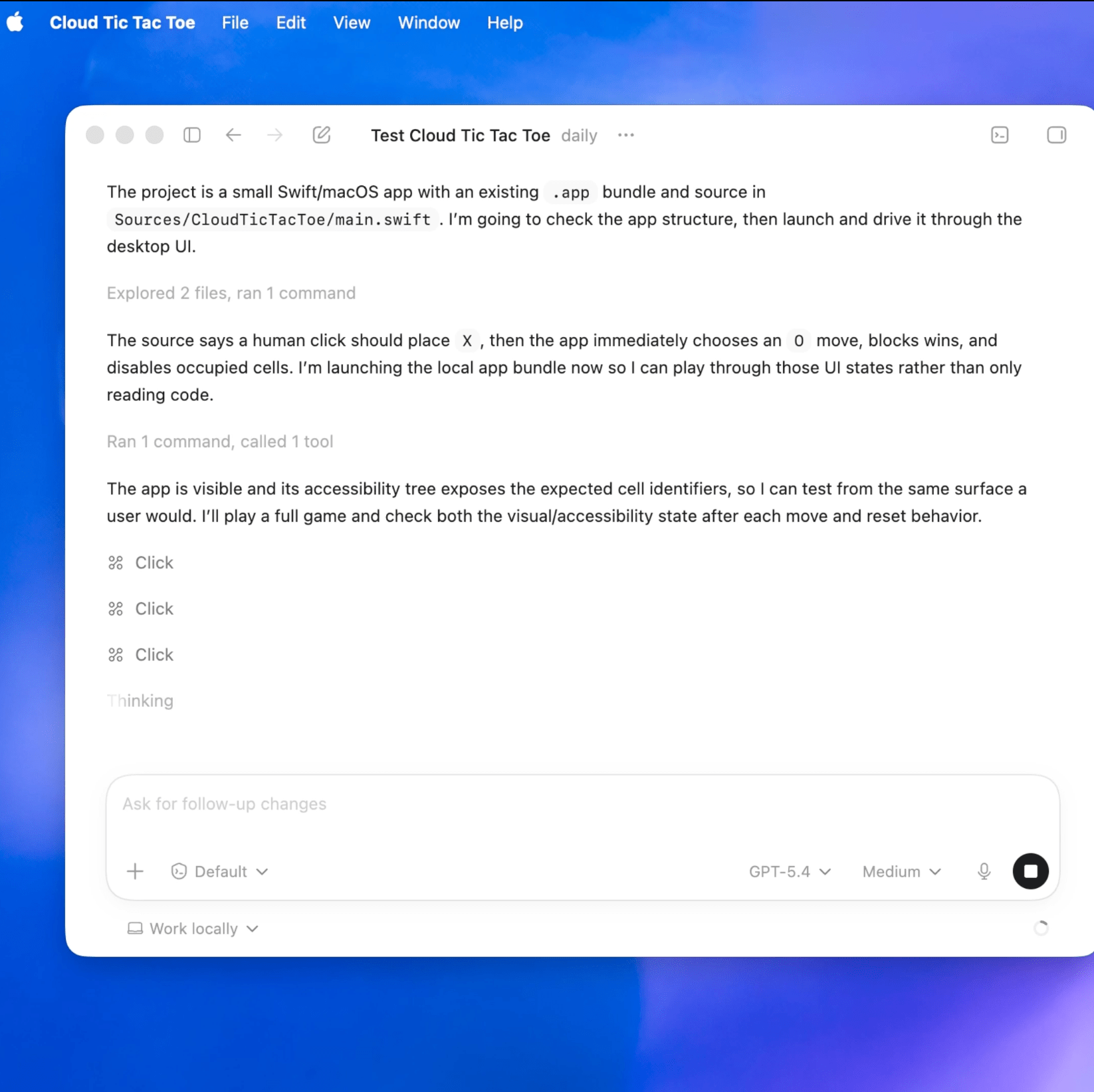
  • Multi-Agent Architecture: Supports parallel execution of multiple autonomous agents, enabling complex task orchestration and concurrent workflow management across different applications.
  • Desktop Integration Layer: Native integration with desktop operating systems (macOS confirmed, with broader platform support expected) allowing direct application control and system-level automation.
  • Image Generation Engine: Integrated generative model for creating images on-demand, eliminating the need for external image generation tools during development workflows.
  • Persistent Memory System: Context and experience retention across sessions, allowing agents to build knowledge from previous interactions and improve recommendations over time.
  • Background Execution Model: Non-blocking agent operation that maintains system responsiveness while automation tasks execute independently in the background.

Official Benefits

  • Accelerated Development Cycles: Parallel agent execution reduces development time by automating repetitive tasks across multiple applications simultaneously.
  • Unified Development Environment: Integrated image generation and desktop control eliminate context-switching between tools, keeping developers focused on core tasks.
  • Intelligent Task Automation: Memory retention enables agents to learn from past experiences, providing increasingly accurate assistance and reducing manual intervention over time.
  • Non-Intrusive Workflow Integration: Background processing ensures automation tasks don't interfere with active development work, maintaining productivity and user control.
  • Enterprise-Grade Reliability: Multi-agent coordination with parallel execution enables complex, mission-critical automation workflows previously requiring manual orchestration.

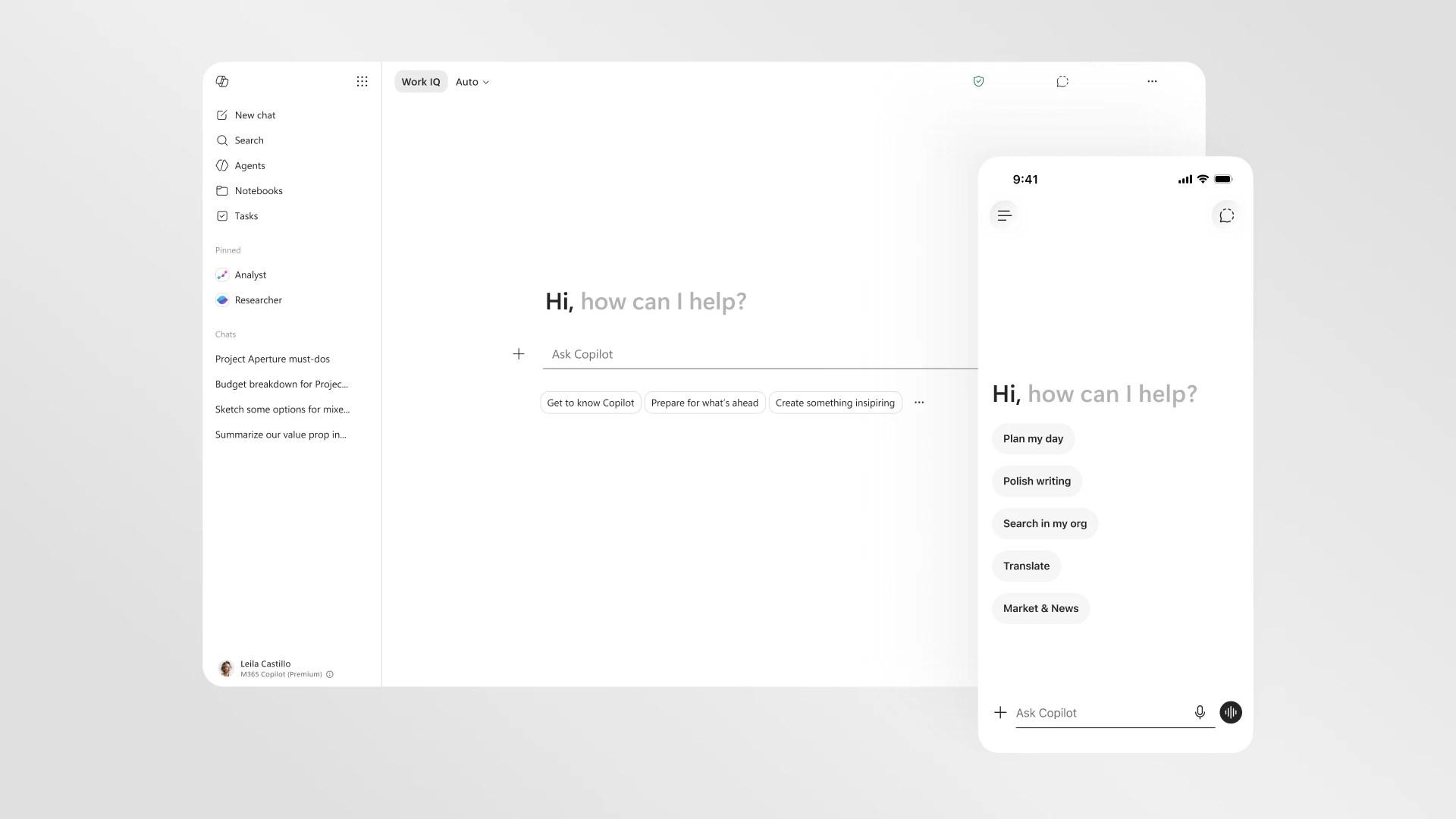
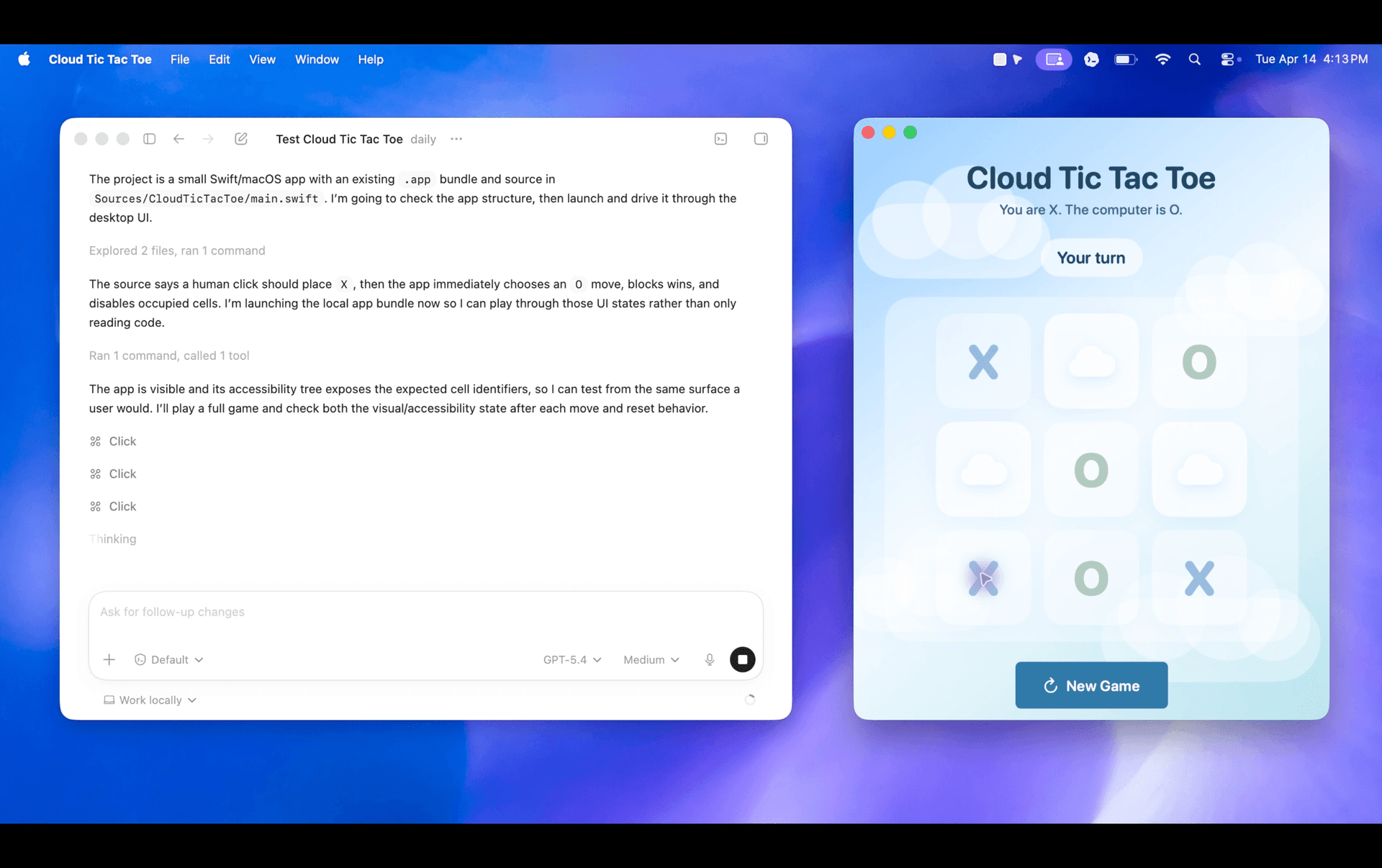
Codex interface showing agentic capabilities

Real-World Translation

What Each Feature Actually Means:

  • Desktop App Control: Instead of manually switching between your code editor, design tool, and testing application, Codex can execute actions across all three simultaneously. For example, you could ask Codex to update your database schema, regenerate UI mockups, and run integration tests all in parallel without touching your keyboard.
  • Parallel Agent Execution: Imagine deploying five specialized agents that each handle different aspects of your project simultaneously. One agent optimizes your database queries while another generates documentation, another runs security audits, and another updates dependencies. All happen at once rather than sequentially.
  • Image Generation Integration: When building a web application, you no longer need to jump to a separate AI image tool. Codex can generate hero images, icons, and UI graphics directly within your development workflow, keeping your creative process uninterrupted.
  • Memory and Context Retention: Codex remembers that you prefer certain coding patterns, architectural decisions, and testing frameworks from previous projects. When starting a new application, it applies these learned preferences automatically rather than requiring you to specify them repeatedly.
  • Background Processing: You continue writing code and testing features while Codex agents handle infrastructure setup, dependency management, and code optimization in the background, eliminating the productivity drain of waiting for automated tasks to complete.

Before vs After

Before

Developers had to manually switch between multiple applications to accomplish complex tasks, losing context and productivity with each transition. Code generation was limited to text output without visual asset creation, and AI assistance couldn't learn from previous projects or maintain state across sessions. Automation required external tools and manual orchestration, making parallel task execution impractical for most development workflows.

After

Codex now orchestrates complex multi-application workflows automatically, with multiple agents working in parallel on different aspects of development simultaneously. The system generates code, images, and documentation while learning from past experiences and maintaining context across sessions. Background execution keeps developers focused on creative work while automation handles routine tasks independently.

📈 Expected Impact: Development teams can reduce routine task overhead by 40-60% while maintaining full control over critical decision-making and creative direction.

Job Relevance Analysis

AI Researcher

HIGH Impact
  • Use Case: AI researchers use Codex to rapidly prototype experimental architectures, test hypotheses across multiple model configurations simultaneously, and generate synthetic datasets for validation studies.
  • Key Benefit: Parallel agent execution enables researchers to run multiple experimental variations concurrently, dramatically accelerating the research iteration cycle and reducing time-to-insight.
  • Workflow Integration: Codex integrates into research pipelines by automating data preprocessing, model training coordination, results visualization, and paper generation, allowing researchers to focus on hypothesis design and analysis.
  • Skill Development: Working with Codex develops expertise in agentic AI orchestration, multi-threaded automation design, and complex system coordination that's increasingly critical in modern AI research.
  • Research Acceleration: Memory retention allows Codex to learn experimental patterns and automatically suggest optimizations based on previous research sessions, reducing redundant work.
AI Researcher

Advance innovation with AI tools for academic research, data analysis, knowledge representation, decision-making, and AI-powered chatbots.

6,692 Tools
AI Researcher

Game Developer

HIGH Impact
  • Use Case: Game developers leverage Codex to automate asset generation, manage complex game logic across multiple systems, and coordinate parallel development tasks like physics simulation, AI behavior trees, and graphics optimization.
  • Key Benefit: Image generation capabilities eliminate the need for external asset creation tools, while parallel agents handle gameplay mechanics, level design, and performance optimization simultaneously.
  • Workflow Integration: Codex operates in the background while developers focus on creative direction, automatically handling technical implementation details, asset generation, and cross-system coordination.
  • Skill Development: Developers learn advanced automation patterns, multi-agent system design, and how to effectively delegate technical tasks to AI systems while maintaining creative control.
  • Production Efficiency: Desktop app control enables Codex to coordinate between game engines, asset management systems, and testing frameworks, reducing manual context-switching and accelerating production timelines.
Game Developer

Use AI to simplify your game development from 3D rendering to character building, story development, debugging, and even AR!

4,918 Tools
Game Developer

Data Scientist

MEDIUM Impact
  • Use Case: Data scientists use Codex to automate data pipeline construction, coordinate multiple analysis workflows, generate visualizations, and handle repetitive data cleaning and transformation tasks across different tools.
  • Key Benefit: Parallel agent execution allows simultaneous data exploration, model training, and report generation, significantly reducing the time between data collection and actionable insights.
  • Workflow Integration: Codex integrates with data science workflows by automating SQL queries, Python script generation, statistical analysis, and visualization creation while maintaining data scientist oversight of critical decisions.
  • Skill Development: Data scientists develop expertise in delegating technical implementation to AI systems while focusing on strategic analysis, hypothesis formation, and business impact assessment.
  • Workflow Efficiency: Memory retention enables Codex to learn data science preferences, common analysis patterns, and preferred visualization styles, providing increasingly personalized assistance over time.
Data Scientist

Understand business insights via AI for analyzing, predicting, data mining, data visualization, and data warehousing.

4,480 Tools
Data Scientist

Getting Started

How to Access

  1. Access Codex through OpenAI's platform dashboard or integrated development environment plugins.
  2. Ensure your system meets platform requirements (macOS confirmed; broader platform support available).
  3. Configure desktop automation permissions to allow Codex to control applications on your system.
  4. Set up API credentials and authentication to enable secure agent execution and data handling.

Quick Start Guide

For Beginners:

  1. Start with simple single-agent tasks like code generation or documentation creation to understand Codex's capabilities.
  2. Experiment with desktop app control by asking Codex to perform basic actions in familiar applications.
  3. Gradually introduce image generation requests to understand how visual assets integrate into your workflow.
  4. Practice using memory features by referencing previous conversations and allowing Codex to apply learned patterns.

For Power Users:

  1. Design multi-agent workflows that coordinate complex tasks across multiple applications simultaneously.
  2. Configure custom agent specialization by defining specific roles, capabilities, and decision-making parameters for each agent.
  3. Implement advanced memory management strategies to optimize context retention and ensure agents learn from relevant past experiences.
  4. Build automated pipelines that integrate Codex with your existing development infrastructure, CI/CD systems, and monitoring tools.
  5. Establish governance frameworks for agent autonomy, defining which decisions agents can make independently versus which require human approval.

Pro Tips

  • Start with Parallel Pairs: Begin multi-agent workflows with just two agents handling complementary tasks before scaling to more complex orchestrations.
  • Leverage Memory Strategically: Explicitly reference previous projects and patterns you want Codex to remember, helping it build accurate mental models of your preferences.
  • Monitor Background Execution: Regularly review background agent activity logs to understand what automation is happening and identify optimization opportunities.
  • Combine with External Tools: Use Codex's desktop control to coordinate with specialized tools in your stack rather than replacing them entirely.

FAQ

Related Topics

OpenAI Codex updateAI automation toolsdesktop app controlagentic AIClaude Code alternative

Table of contents

What's New in OpenAI CodexTechnical SpecificationsOfficial BenefitsReal-World TranslationJob Relevance AnalysisGetting StartedFAQ
Impact LevelHIGH
Update ReleasedApril 16, 2026

Best for

Data ScientistAI ResearcherGame Developer

Related Use Cases

AI TranslatorsAI Automation ToolsAI Augmented Reality Tools

Related Articles

Google Gemini Mac App Review: AI Assistant
TinyFish AI Platform Review: Web Infrastructure for AI Agents
Google Home Gemini Update: Fixes Interruptions
All AI Spotlights

Editor's Pick Articles

Google Gemini Mac App Review: AI Assistant
Anthropic's Mythos AI Model Triggers Cybersecurity Wake-Up Call
Google Photos AI Enhance: Smart Photo Editing Review
All Articles
Special offer for AI Owners – 50% OFF Promotional Plans

Join Our Community

Get the earliest access to hand-picked content weekly for free.

Spam-free guaranteed! Only insights.

Follow Us on Socials

Don't Miss AI Topics

ai art generatorai voice generatorai text generatorai avatar generatorai designai writing assistantai audio generatorai content generatorai dubbingai graphic designai banner generatorai in dropshipping

AI Spotlights

Unleashing Today's trailblazer, this week's game-changers, and this month's legends in AI. Dive in and discover tools that matter.

All AI Spotlights
Google Gemini Mac App Review: AI Assistant

Google Gemini Mac App Review: AI Assistant

TinyFish AI Platform Review: Web Infrastructure for AI Agents

TinyFish AI Platform Review: Web Infrastructure for AI Agents

Google Home Gemini Update: Fixes Interruptions

Google Home Gemini Update: Fixes Interruptions

OpenAI Agents SDK Update: Enterprise Safety & Capability

OpenAI Agents SDK Update: Enterprise Safety & Capability

IBM Autonomous Security Service Review

IBM Autonomous Security Service Review

GPT-Rosalind Review: OpenAI's Life Sciences AI

GPT-Rosalind Review: OpenAI's Life Sciences AI

Claude Opus 4.7 Review: Enterprise AI Without Hallucinations

Claude Opus 4.7 Review: Enterprise AI Without Hallucinations

Google AI Mode Review: Side-by-Side Search

Google AI Mode Review: Side-by-Side Search

VimRAG Review: Alibaba's Multimodal RAG Framework

VimRAG Review: Alibaba's Multimodal RAG Framework

ChatGPT Pro $100/Month: New Tier Review

ChatGPT Pro $100/Month: New Tier Review

Google Gemini 3D Models: Interactive AI Simulations

Google Gemini 3D Models: Interactive AI Simulations

Google Photos AI Enhance: Smart Photo Editing Review

Google Photos AI Enhance: Smart Photo Editing Review

Poke AI Agent: Text-Based Automation for Everyone

Poke AI Agent: Text-Based Automation for Everyone

OSGym Review: $0.23/Day OS Infrastructure for AI Agents

OSGym Review: $0.23/Day OS Infrastructure for AI Agents

Tubi ChatGPT App: First Streamer Native Integration

Tubi ChatGPT App: First Streamer Native Integration

Google's Offline AI Dictation App Review

Google's Offline AI Dictation App Review

MaxToki Review: AI Predicts Cellular Aging

MaxToki Review: AI Predicts Cellular Aging

Apple Music AI Playlist Curation Review

Apple Music AI Playlist Curation Review

Microsoft's New Voice & Image AI Models

Microsoft's New Voice & Image AI Models

You Might Like These Latest News

All AI News

Stay informed with the latest AI news, breakthroughs, trends, and updates shaping the future of artificial intelligence.

Stellantis Partners With Microsoft on AI Strategy

Apr 17, 2026
Stellantis Partners With Microsoft on AI Strategy

Musk Sues OpenAI Over Mission Drift

Apr 17, 2026
Musk Sues OpenAI Over Mission Drift

Trump Officials Push Banks to Test Anthropic's AI Model

Apr 16, 2026
Trump Officials Push Banks to Test Anthropic's AI Model

Apple Testing Four Smart Glasses Designs

Apr 16, 2026
Apple Testing Four Smart Glasses Designs

Meta and KAUST Propose Neural Computers

Apr 16, 2026
Meta and KAUST Propose Neural Computers

Unitree's $4,370 Humanoid Robot Now Available on AliExpress

Apr 16, 2026
Unitree's $4,370 Humanoid Robot Now Available on AliExpress

Stanford Report: AI Experts and Public Growing Apart

Apr 16, 2026
Stanford Report: AI Experts and Public Growing Apart

Anthropic Mythos Prompting Security Concerns

Apr 16, 2026
Anthropic Mythos Prompting Security Concerns

Gizmo AI Learning App Hits 13M Users, Raises $22M

Apr 16, 2026
Gizmo AI Learning App Hits 13M Users, Raises $22M
Tools of The Day

Tools of The Day

Discover the top AI tools handpicked daily by our editors to help you stay ahead with the latest and most innovative solutions.


10MAR
Adobe Illustrator
Adobe Illustrator
9MAR
Adobe Firefly
Adobe Firefly
8MAR
Adobe Sensei
Adobe Sensei
7MAR
Adobe Photoshop
Adobe Photoshop
6MAR
Adobe Firefly
Adobe Firefly
5MAR
Shap-E
Shap-E
4MAR
Point-E
Point-E

Explore AI Tools of The Day