Join Our Community










Get the earliest access to hand-picked content weekly for free.
Spam-free guaranteed! Only insights.
Join Our Community
Get the earliest access to hand-picked content weekly for free.
Spam-free guaranteed! Only insights.

🎯 Quick Impact Summary
• OpenAI has released a significant upgrade to Codex, now powered by their latest GPT-5 language model
• The new Codex can handle more complex programming tasks and supports 12 additional programming languages
• Early benchmarks show a 40% improvement in code accuracy and a 35% reduction in hallucinations
• The upgraded tool includes enhanced documentation generation and can explain complex code in simple terms
• Developers will have access to the new version through both API and the ChatGPT interface starting October 1
OpenAI has once again pushed the boundaries of AI-assisted coding with a major upgrade to its Codex system, now powered by the company's latest GPT-5 language model. This significant enhancement promises to revolutionize how developers work, making coding more efficient and accessible to both seasoned programmers and newcomers alike.
The announcement, made yesterday at OpenAI's developer conference in San Francisco, represents one of the most substantial improvements to the company's code generation capabilities since Codex was first introduced in 2021. With this upgrade, OpenAI continues to cement its position as a leader in the rapidly evolving field of AI-assisted programming.
The GPT-5-powered Codex brings several impressive enhancements that dramatically improve its utility for developers. According to OpenAI's CTO Mira Murati, the new version can handle significantly more complex programming tasks, including full-stack application development, advanced algorithms, and intricate data manipulation challenges.
"This isn't just an incremental improvement," Murati explained during the keynote presentation. "We've completely rebuilt Codex from the ground up with GPT-5, allowing it to understand context, intent, and programming patterns at a much deeper level than ever before."
One of the most notable improvements is the expanded language support. The new Codex now works with 12 additional programming languages, bringing the total to 24. New additions include Rust, Kotlin, TypeScript, Swift, and several domain-specific languages for data science and machine learning applications. This broader language support makes the tool valuable to a more diverse range of developers working across different technology stacks.
Early benchmarks are particularly impressive, with OpenAI reporting a 40% improvement in code accuracy compared to the previous version and a 35% reduction in hallucinations – instances where the AI generates plausible-looking but incorrect or non-functional code.
The GPT-5-powered Codex introduces several features specifically designed for professional development environments. These enhancements address common pain points in the software development lifecycle and aim to streamline workflows for individual developers and teams.
The upgraded tool now includes enhanced documentation generation capabilities, automatically creating comprehensive comments and explanations for code it produces. This feature extends to existing codebases as well, allowing developers to point Codex at legacy code and receive clear documentation that explains how it works.
Another significant addition is the "code explanation" feature, which can break down complex algorithms and functions into simple, human-readable explanations. This capability is particularly valuable for onboarding new team members to existing projects or helping developers understand unfamiliar codebases.
"We've focused on making Codex not just a code generator, but a true programming assistant," said Sam Altman, CEO of OpenAI. "It's designed to help developers think through problems, understand existing code, and generate solutions that align with best practices and security standards."
Security has also been a major focus of this update. The new Codex includes built-in vulnerability detection, automatically flagging potential security issues in generated code and suggesting more secure alternatives. This proactive approach to security could help prevent common coding mistakes that often lead to vulnerabilities.
Developers will have access to the new GPT-5-powered Codex through both the OpenAI API and directly through the ChatGPT interface. The API access will allow for deep integration into existing development environments and workflows, while the ChatGPT interface provides a more conversational approach to code generation and problem-solving.
OpenAI has announced that the upgraded Codex will be available starting October 1, with tiered pricing based on usage volume and commercial applications. Existing API customers will receive automatic access to the new capabilities, though the company notes that the more advanced features may require higher-tier subscriptions.
Several major IDE providers, including Microsoft, JetBrains, and GitHub, have already announced plans to integrate the new Codex capabilities into their development environments. Microsoft, in particular, is expected to deeply integrate the technology into Visual Studio and GitHub Copilot, further enhancing these popular development tools.
"This represents a significant step forward in our mission to make AI systems that are increasingly helpful, harmless, and honest," Altman added. "By putting these advanced capabilities in the hands of developers, we're enabling them to create better software more efficiently, which benefits everyone who uses technology."
The release of the GPT-5-powered Codex is likely to have far-reaching implications for the software development industry. As AI-assisted coding tools become more capable, they're increasingly shifting from novelty to necessity in many development environments.
Industry analysts predict that this upgrade could significantly impact developer productivity. According to early testing by OpenAI, developers using the new Codex completed programming tasks 30-50% faster than with previous versions, with junior developers seeing the most substantial gains.
"This technology is democratizing coding in meaningful ways," said Maria Rodriguez, a software engineering professor at Stanford University who was given early access to the system. "It's not just about writing code faster—it's about making programming more accessible to people with different backgrounds and learning styles."
The education sector is also taking notice. Several coding bootcamps and computer science programs have expressed interest in incorporating the new Codex into their curricula, seeing it as an opportunity to focus more on problem-solving and design principles rather than syntax memorization.
However, some in the industry have raised concerns about over-reliance on AI coding assistants. Critics worry that developers might become dependent on these tools, potentially losing fundamental coding skills or failing to understand the underlying principles of the code they're implementing.
OpenAI acknowledges these concerns and emphasizes that Codex is designed to be a collaborative tool that enhances human capabilities rather than replacing them. The company has included features specifically designed to promote learning and understanding, such as detailed explanations of generated code and suggestions for further reading on relevant programming concepts.
As the technology continues to evolve, it's clear that AI-assisted coding is becoming an integral part of the software development landscape. With this major upgrade to Codex, OpenAI has raised the bar for what developers can expect from their AI assistants, potentially transforming how software is built in the years to come.
FAQ
AI Spotlights
Unleashing Today's trailblazer, this week's game-changers, and this month's legends in AI. Dive in and discover tools that matter.

Claude Fable 5 Review: Mythos Power with Safety
Gemma 4 12B Review: Multimodal AI on Your Laptop

Google Dreambeans Review: AI Cartoon Stories
NVIDIA Nemotron 3 Ultra: 550B MoE LLM Review

Meta AI Agent for Enterprises: Global Launch

Gemini Omni and 3.5: Google's Latest AI Models

Step 3.7 Flash Review: 198B MoE Vision-Language Model

Gemini Spark Review: Google's AI Agent Goes Personal
Microsoft Agent Governance Toolkit Review
Gemini Spark AI Agent Review: Always-On Automation

MAI-Thinking-1 Review: Microsoft's Advanced Reasoning AI
Microsoft Scout Review: OpenClaw-Powered AI Assistant

Microsoft MDASH Review: 100+ AI Agents for Threat Hunting

Google Phone App Fake Call Detection Review
Stable Audio 3 Review: Fast AI Audio Generation
Claude Opus 4.8: Dynamic Workflows & Faster AI
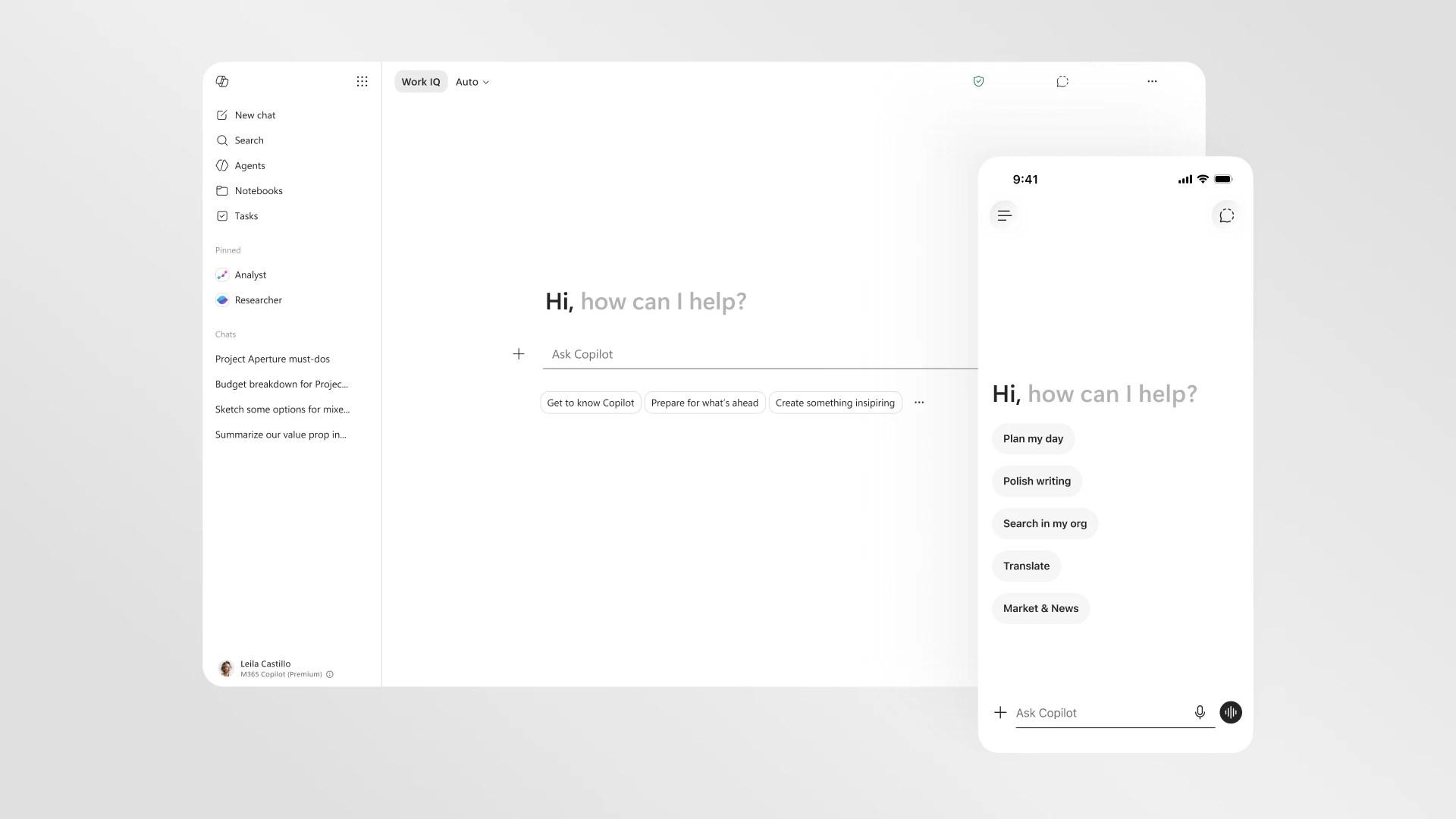
Microsoft 365 Copilot Redesign: 2x Speed Boost

Perplexity Bumblebee: AI Supply Chain Security Scanner

AWS OpenSearch Serverless Review: Enterprise Search Reimagined
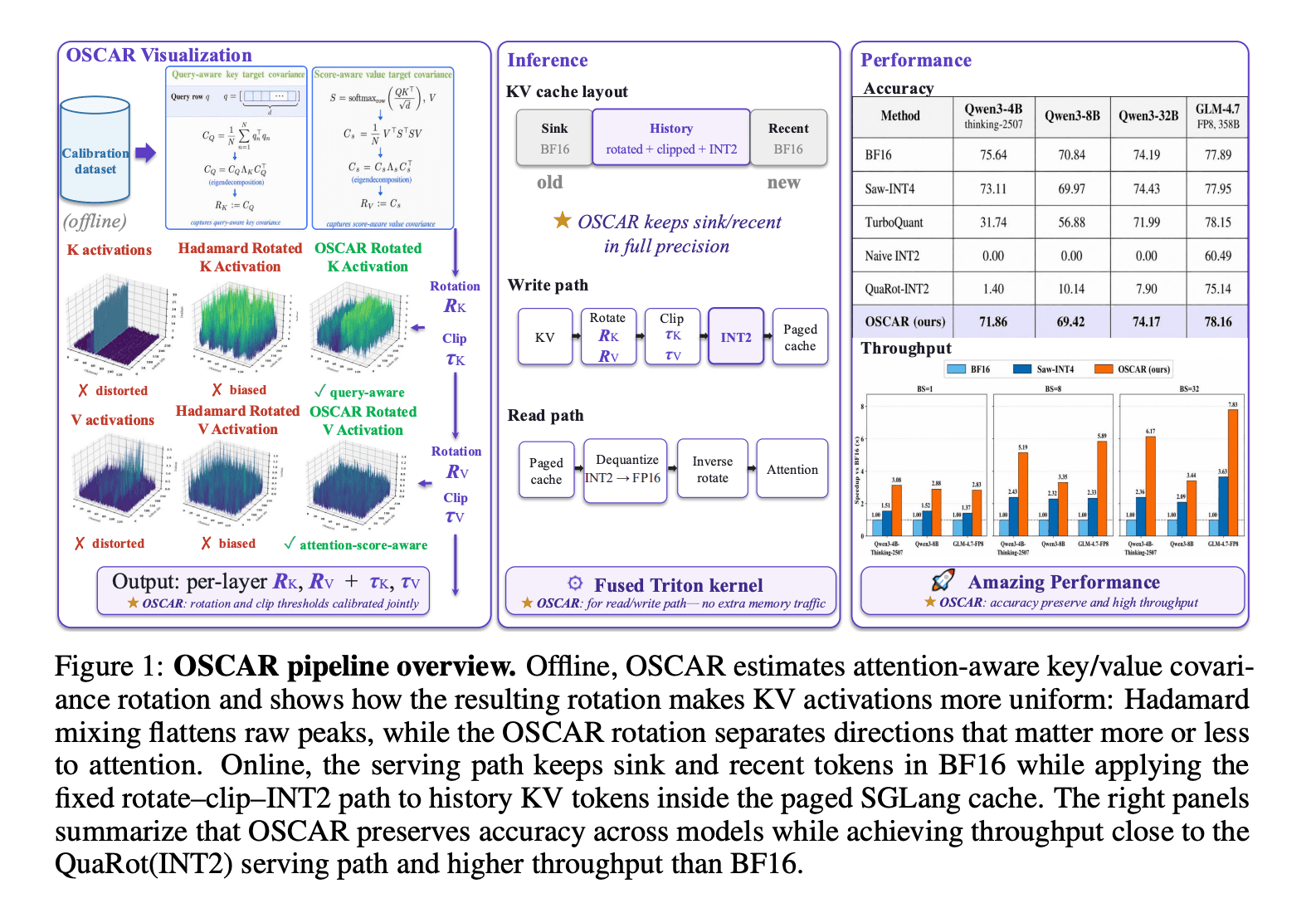
OSCAR: 2-Bit KV Cache Quantization for LLMs
You Might Like These Latest News
All AI NewsStay informed with the latest AI news, breakthroughs, trends, and updates shaping the future of artificial intelligence.
Microsoft Patches Zero-Day After Researcher Disclosure
Jun 10, 2026
NVIDIA GPUs Power Apple's Private Cloud Compute Expansion
Jun 10, 2026
GM Launches Vehicle-to-Grid Tech to Power AI Data Centers
Jun 10, 2026
Alphabet's $85B AI Investment Signals Major Shift
Jun 5, 2026
AI Cognitive Fatigue: Work Smarter, Not Harder
Jun 5, 2026
Nvidia Unveils Physical AI Research with Cosmos 3
Jun 5, 2026
Airbnb CEO Launches AI Lab to Build Custom LLMs
Jun 5, 2026
Anthropic's IPO Filing Balances Growth With Responsible AI
Jun 3, 2026
Meta's AI Chatbot Exploited to Hijack Instagram Accounts
Jun 3, 2026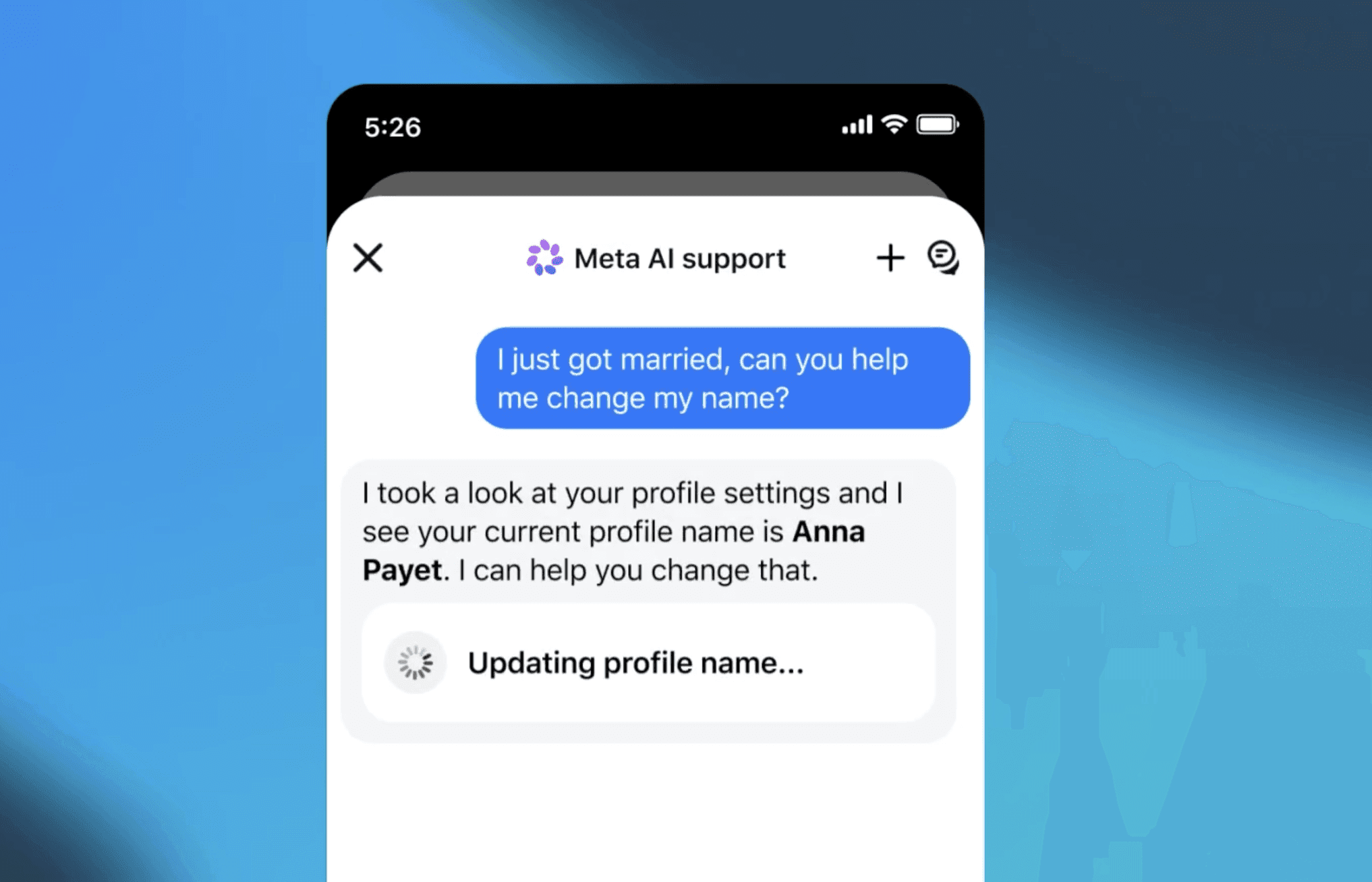

Discover the top AI tools handpicked daily by our editors to help you stay ahead with the latest and most innovative solutions.