Join Our Community










Get the earliest access to hand-picked content weekly for free.
Spam-free guaranteed! Only insights.
Join Our Community
Get the earliest access to hand-picked content weekly for free.
Spam-free guaranteed! Only insights.

The buzz around OpenAI’s latest language model, GPT-5.1, is reaching fever pitch. While not officially named as such by OpenAI, the advancements rolling out represent a significant leap forward, effectively functioning as a substantial upgrade to GPT-4. This isn’t just an incremental improvement; it’s a transformative shift in AI capabilities, impacting everything from coding and creative writing to complex problem-solving. This article dives deep into what GPT-5.1 offers, its key features, and what it means for the future of artificial intelligence. We’ll explore the improvements over GPT-4, the implications for various industries, and how you can start leveraging this powerful new tool.
The core of GPT-5.1’s power lies in its dramatically improved reasoning and problem-solving abilities. Users are reporting a noticeable difference in the model’s capacity to handle nuanced requests, understand complex instructions, and generate more accurate and coherent responses. Unlike GPT-4, which sometimes struggled with multi-step reasoning or required very specific prompting, GPT-5.1 demonstrates a more intuitive grasp of context and intent.
One of the most significant enhancements is in the area of coding. GPT-5.1 can now generate more sophisticated and bug-free code across a wider range of programming languages. It’s not just about writing code snippets; it can assist with debugging, code optimization, and even architectural design. This makes it an invaluable tool for both professional developers and those learning to code. Furthermore, the model exhibits a stronger ability to understand and respond to natural language queries related to code, making the development process more accessible.
Beyond coding, GPT-5.1 excels in creative tasks. It can generate higher-quality content, including articles, scripts, poems, and musical pieces, with a greater degree of originality and stylistic control. The model’s improved understanding of context allows it to tailor its output to specific audiences and purposes more effectively. Early testers have also noted improvements in the model’s ability to handle complex narratives and character development, making it a powerful tool for writers and storytellers. The ability to process and understand longer contexts is also a major step forward, allowing for more in-depth and nuanced interactions. This is a game changer for tasks like summarizing lengthy documents or engaging in extended conversations.
The implications of GPT-5.1 are far-reaching, impacting numerous industries. In customer service, the model can power more intelligent and empathetic chatbots, capable of resolving complex issues without human intervention. This leads to improved customer satisfaction and reduced operational costs. In healthcare, GPT-5.1 can assist with tasks such as medical diagnosis, drug discovery, and personalized treatment planning. While not intended to replace medical professionals, it can serve as a valuable tool to augment their capabilities and improve patient outcomes.
The financial sector can leverage GPT-5.1 for fraud detection, risk assessment, and algorithmic trading. Its ability to analyze vast amounts of data and identify patterns can provide a competitive edge in a rapidly evolving market. For educators, GPT-5.1 offers opportunities to personalize learning experiences, provide individualized feedback, and automate administrative tasks. It can also be used to create engaging educational content and assess student understanding.
The marketing and advertising industries will also see significant disruption. GPT-5.1 can generate compelling ad copy, personalize marketing messages, and analyze customer data to identify target audiences. This leads to more effective campaigns and higher return on investment. A key application is in content creation – businesses can rapidly generate blog posts, social media updates, and website content, freeing up valuable time and resources. To learn more about the broader impact of AI on marketing, consider exploring resources from HubSpot: [https://blog.hubspot.com/marketing/ai-in-marketing](https://blog.hubspot.com/marketing/ai-in-marketing).
Currently, access to GPT-5.1 is being rolled out in phases. It’s available to select developers through the OpenAI API and is integrated into Microsoft Copilot Pro. The rollout strategy is designed to ensure stability and gather feedback before a wider release. For those with access, utilizing GPT-5.1 is similar to using GPT-4, but with a few key differences.
Effective prompting remains crucial. While GPT-5.1 is more intuitive, providing clear and specific instructions will still yield the best results. Experiment with different prompting techniques, such as using examples, specifying the desired tone and style, and breaking down complex tasks into smaller steps. Take advantage of the model’s ability to handle longer contexts by providing more detailed background information and relevant data.
Furthermore, explore the various parameters available through the OpenAI API, such as temperature and top_p, to fine-tune the model’s output to your specific needs. Remember to review and edit the generated content carefully, as even the most advanced AI models are not perfect. Consider using GPT-5.1 as a collaborative tool, leveraging its strengths to augment your own creativity and expertise.
GPT-5.1 represents a monumental step forward in the evolution of artificial intelligence. Its enhanced reasoning capabilities, improved coding skills, and creative potential are poised to transform industries and empower individuals. While access is currently limited, the ongoing rollout promises to bring these powerful tools to a wider audience, unlocking new possibilities and shaping the future of technology. Staying informed about these advancements and experimenting with the available tools will be crucial for anyone looking to thrive in the age of AI.
FAQ
Related Topics
AI Spotlights
Unleashing Today's trailblazer, this week's game-changers, and this month's legends in AI. Dive in and discover tools that matter.

Claude Fable 5 Review: Mythos Power with Safety
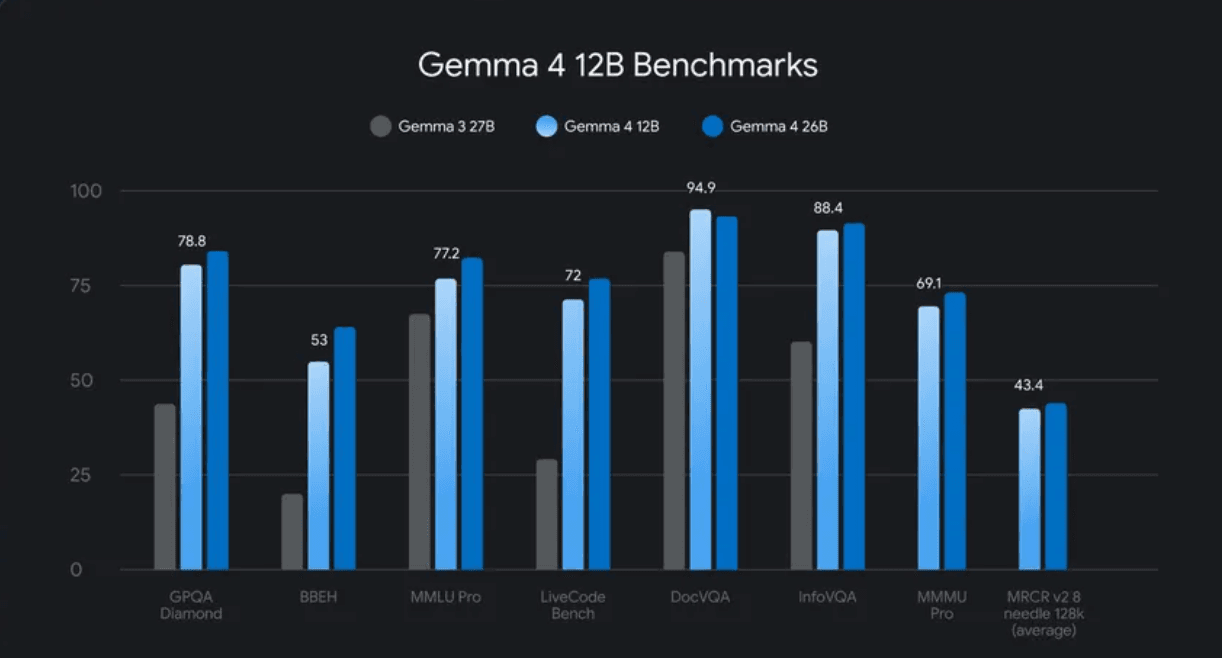
Gemma 4 12B Review: Multimodal AI on Your Laptop

Google Dreambeans Review: AI Cartoon Stories
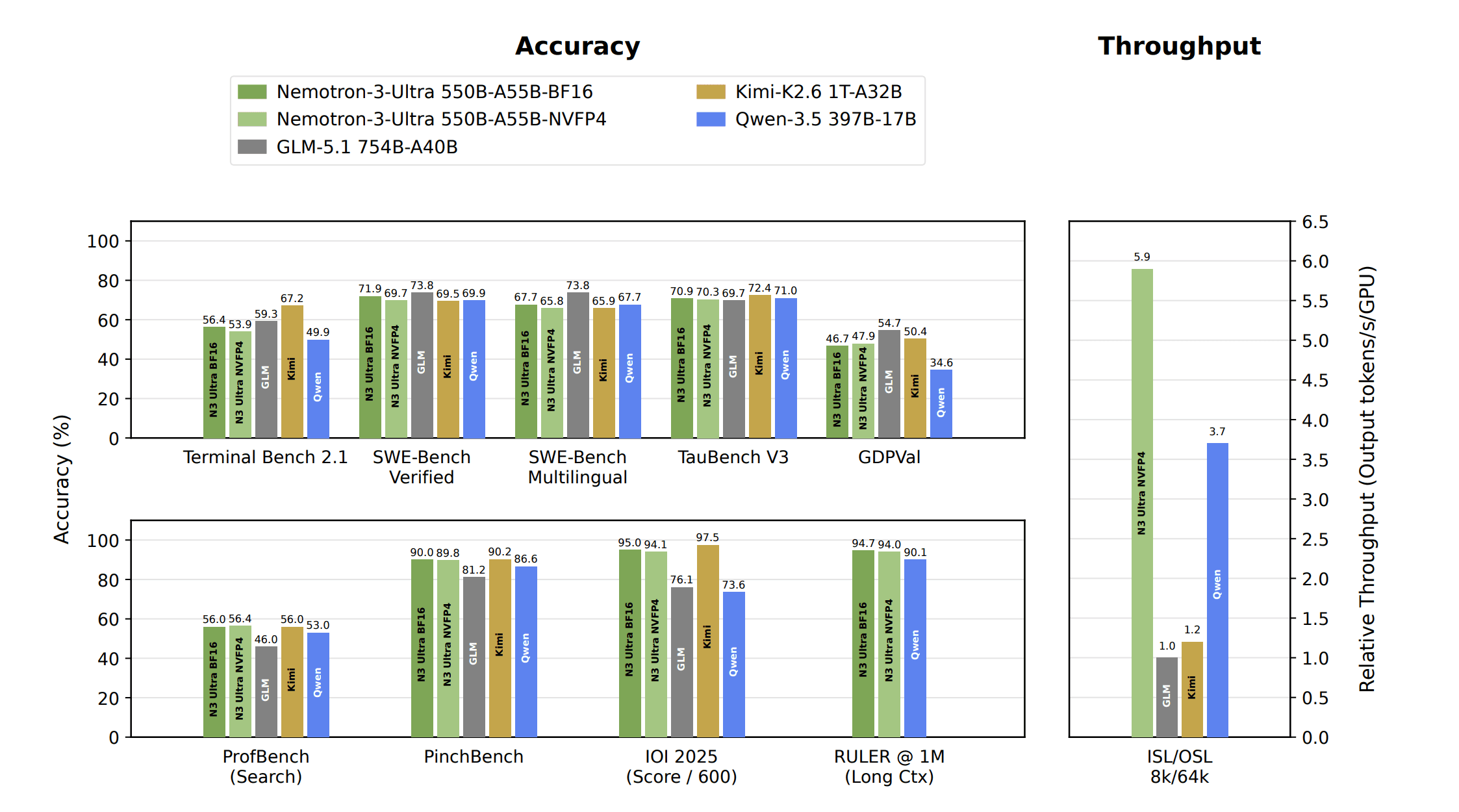
NVIDIA Nemotron 3 Ultra: 550B MoE LLM Review
Meta AI Agent for Enterprises: Global Launch
Gemini Omni and 3.5: Google's Latest AI Models

Step 3.7 Flash Review: 198B MoE Vision-Language Model

Gemini Spark Review: Google's AI Agent Goes Personal
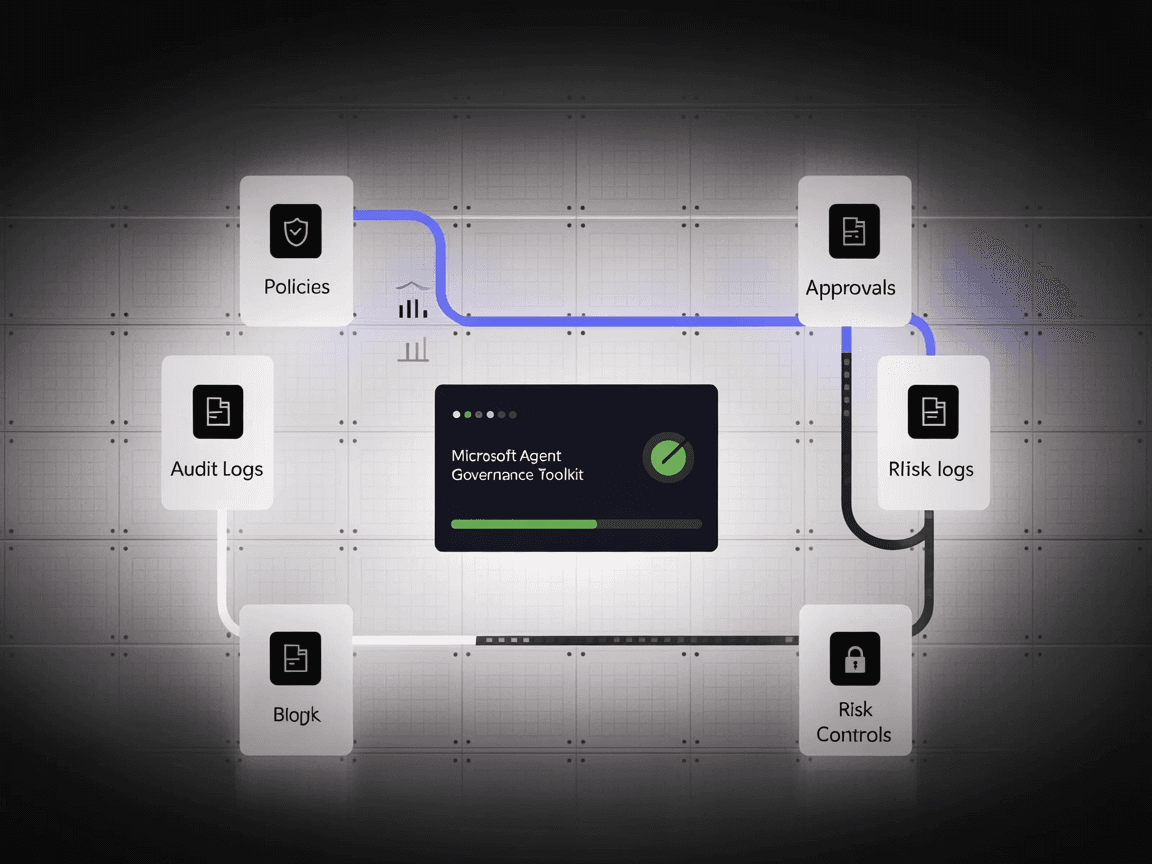
Microsoft Agent Governance Toolkit Review
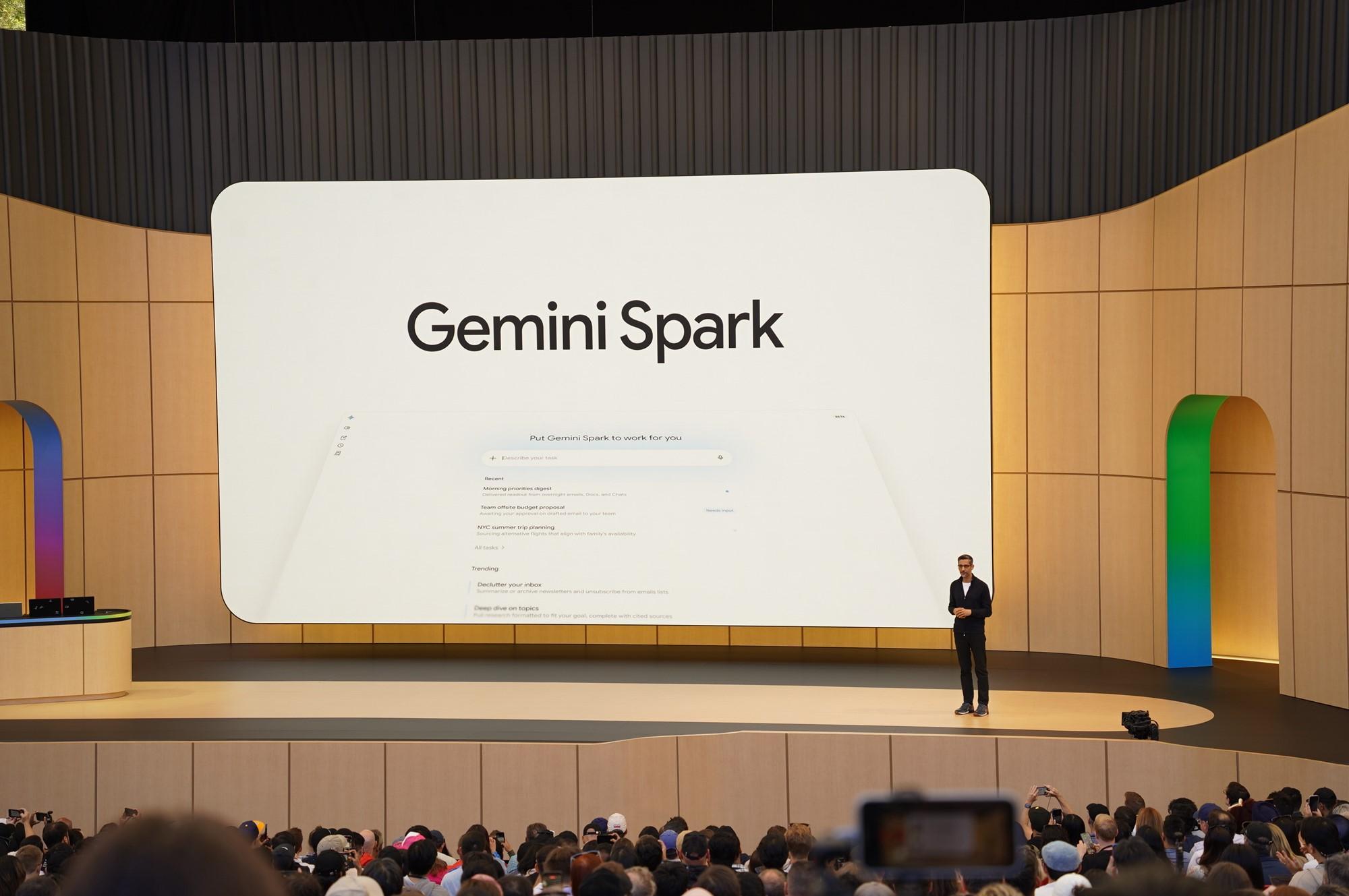
Gemini Spark AI Agent Review: Always-On Automation

MAI-Thinking-1 Review: Microsoft's Advanced Reasoning AI
Microsoft Scout Review: OpenClaw-Powered AI Assistant

Microsoft MDASH Review: 100+ AI Agents for Threat Hunting

Google Phone App Fake Call Detection Review
Stable Audio 3 Review: Fast AI Audio Generation
Claude Opus 4.8: Dynamic Workflows & Faster AI
Microsoft 365 Copilot Redesign: 2x Speed Boost

Perplexity Bumblebee: AI Supply Chain Security Scanner

AWS OpenSearch Serverless Review: Enterprise Search Reimagined
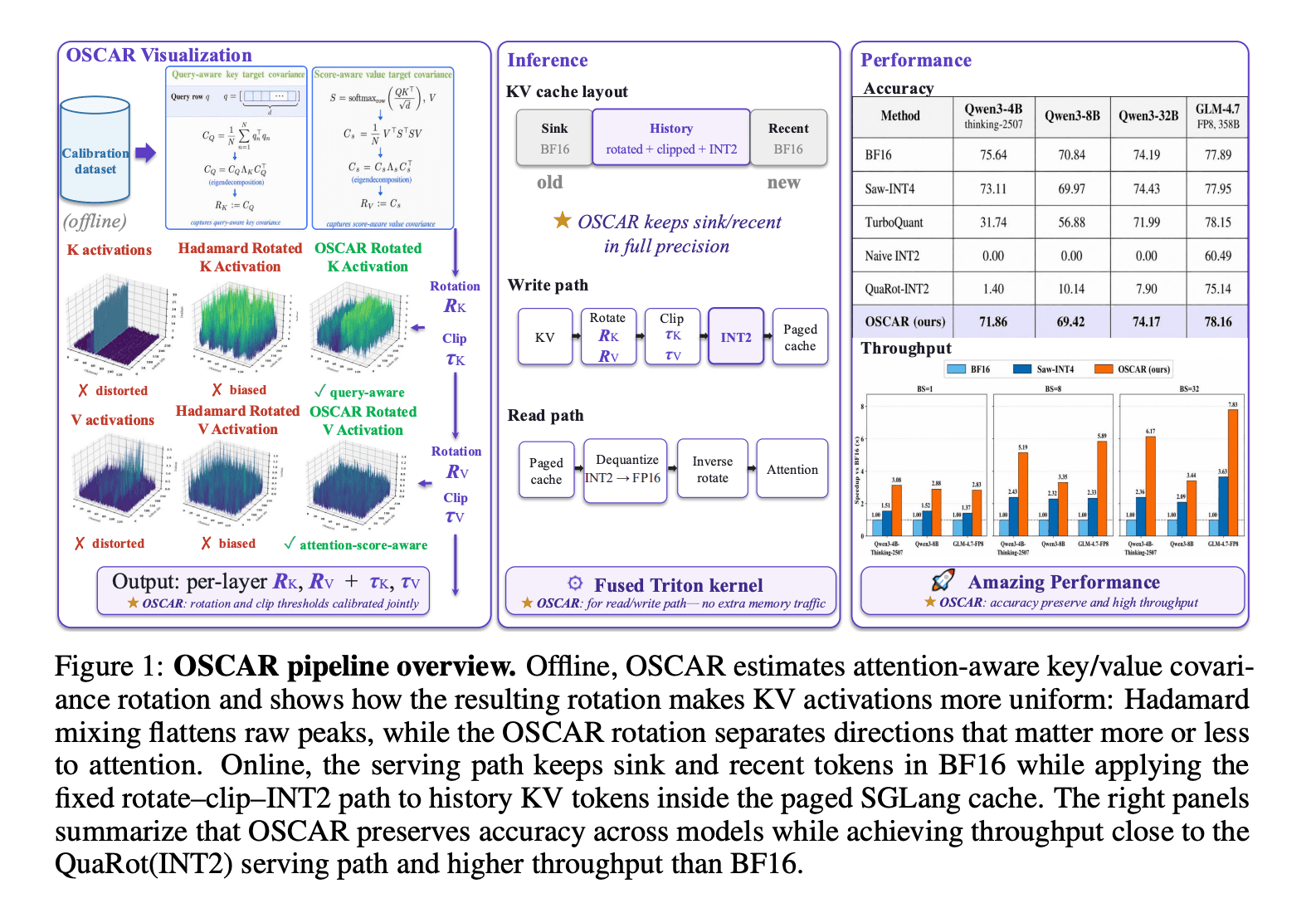
OSCAR: 2-Bit KV Cache Quantization for LLMs
You Might Like These Latest News
All AI NewsStay informed with the latest AI news, breakthroughs, trends, and updates shaping the future of artificial intelligence.
Microsoft Patches Zero-Day After Researcher Disclosure
Jun 10, 2026
NVIDIA GPUs Power Apple's Private Cloud Compute Expansion
Jun 10, 2026
GM Launches Vehicle-to-Grid Tech to Power AI Data Centers
Jun 10, 2026
Alphabet's $85B AI Investment Signals Major Shift
Jun 5, 2026
AI Cognitive Fatigue: Work Smarter, Not Harder
Jun 5, 2026
Nvidia Unveils Physical AI Research with Cosmos 3
Jun 5, 2026
Airbnb CEO Launches AI Lab to Build Custom LLMs
Jun 5, 2026
Anthropic's IPO Filing Balances Growth With Responsible AI
Jun 3, 2026
Meta's AI Chatbot Exploited to Hijack Instagram Accounts
Jun 3, 2026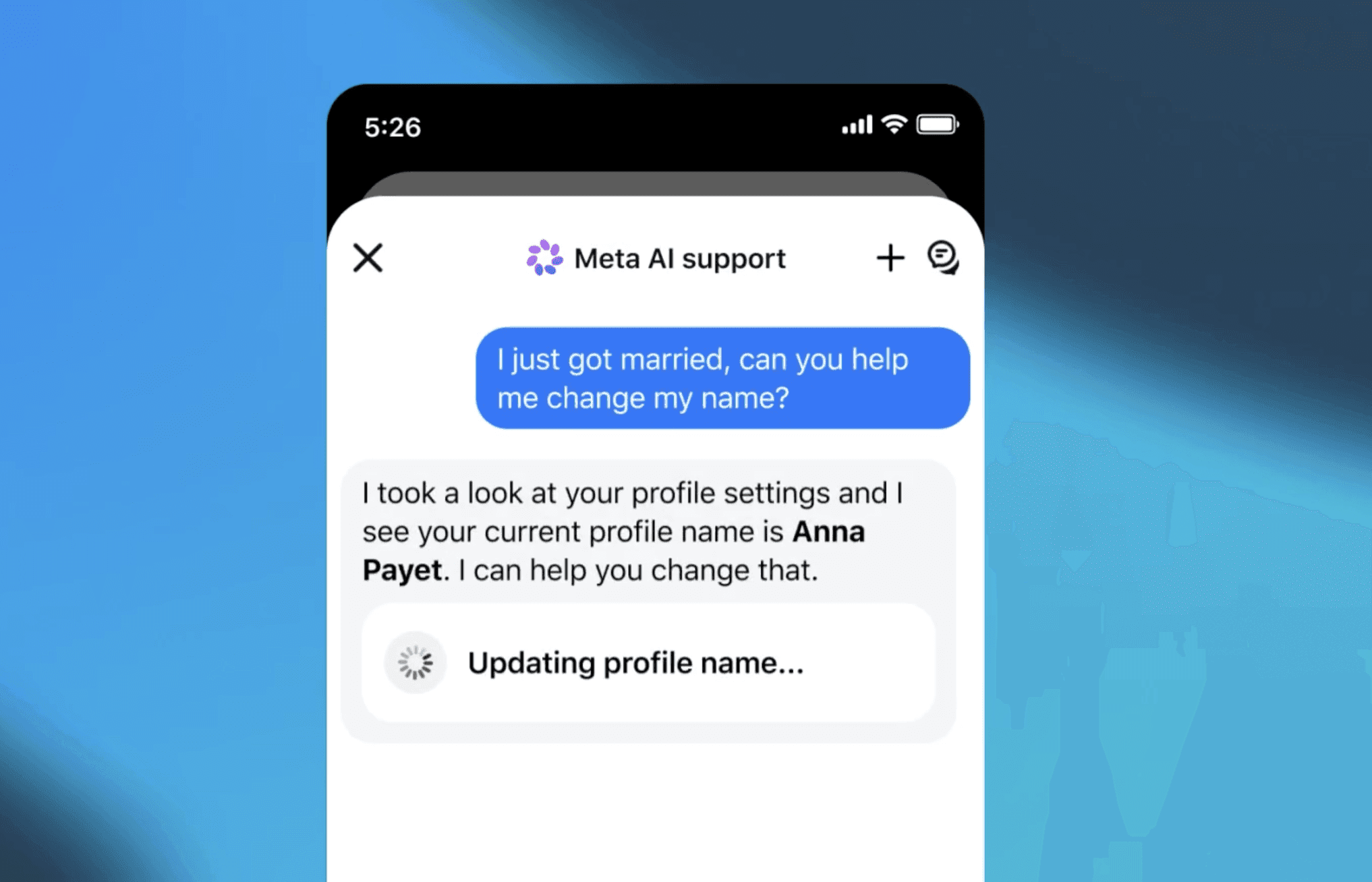

Discover the top AI tools handpicked daily by our editors to help you stay ahead with the latest and most innovative solutions.