Join Our Community










Get the earliest access to hand-picked content weekly for free.
Spam-free guaranteed! Only insights.
Join Our Community
Get the earliest access to hand-picked content weekly for free.
Spam-free guaranteed! Only insights.
OpenAI is on the cusp of releasing what many are calling the most significant leap in artificial intelligence yet – GPT-5. Building upon the already impressive capabilities of GPT-4, this next-generation model promises advancements in reasoning, nuance, and overall performance that could fundamentally change how we interact with AI. This article dives deep into what we know about GPT-5, its potential applications, and what it means for the future of AI development. The anticipation surrounding GPT-5 is palpable, driven by the model’s projected ability to handle more complex tasks with greater accuracy and a more human-like understanding of context.
While OpenAI remains tight-lipped about many specifics, enough information has trickled out to paint a compelling picture of GPT-5’s improvements. The core enhancement lies in its vastly improved reasoning skills. GPT-4 already demonstrated impressive abilities in areas like coding and creative writing, but often stumbled on tasks requiring deeper, more abstract thought. GPT-5 is expected to significantly close this gap. Reports suggest a substantial increase in the model’s ability to solve complex problems, understand and generate long-form content with consistent logic, and handle ambiguous queries with greater sophistication.
One key area of focus is "world modeling." This refers to the AI’s capacity to build an internal representation of how the world works – understanding cause and effect, predicting outcomes, and making informed decisions based on this understanding. A more robust world model translates to more reliable and helpful responses, as the AI can better anticipate user needs and potential consequences. This is crucial for applications requiring real-world interaction or decision-making, such as robotics or autonomous systems.
Furthermore, GPT-5 is anticipated to demonstrate a marked improvement in multimodal understanding. GPT-4 already handles images and text, but GPT-5 is expected to seamlessly integrate and process various data types – including video, audio, and potentially even 3D models. This broader sensory input will allow for more nuanced and contextually relevant responses. Imagine showing GPT-5 a short video clip and asking it to summarize the key events, analyze the emotional tone, or even generate a script for a follow-up scene. These are the kinds of tasks GPT-5 is being designed to tackle. The increased parameter count (speculation places it significantly higher than GPT-4’s) combined with refined training methodologies are the driving forces behind these anticipated improvements.
The improved capabilities of GPT-5 will unlock a wealth of new applications across numerous industries. In customer service, GPT-5 could power AI agents capable of handling incredibly complex and sensitive inquiries with empathy and understanding. These agents wouldn't just provide answers; they'd proactively anticipate customer needs and offer personalized solutions.
For software development, GPT-5’s enhanced coding skills will be a game-changer. It could automate large portions of the coding process, assisting developers with debugging, code generation, and even the design of entire software architectures. This would not only accelerate development cycles but also lower the barrier to entry for aspiring programmers.
Content creation will also be profoundly impacted. While GPT-4 is already a powerful writing tool, GPT-5 promises even more sophisticated and nuanced content generation – capable of adapting to specific brand voices, target audiences, and content formats with ease. This opens up possibilities for personalized marketing campaigns, automated news reporting, and the creation of immersive storytelling experiences.
Beyond these core areas, GPT-5 has the potential to revolutionize fields like education (personalized tutoring systems), healthcare (AI-powered diagnostic tools), and scientific research (accelerated data analysis and hypothesis generation). It’s important to remember that these are still projections, but the underlying advancements suggest a future where AI is deeply integrated into almost every aspect of our lives. To learn more about the broad impact of AI, consider exploring resources from organizations like the Partnership on AI: [https://www.partnershiponai.org/](https://www.partnershiponai.org/).
With great power comes great responsibility, and GPT-5 is no exception. The increased sophistication of this model raises important ethical considerations that must be addressed proactively. Concerns around misinformation and deepfakes are amplified, as GPT-5 will be capable of generating increasingly realistic and persuasive fake content. Robust safeguards are needed to detect and mitigate the spread of such content, potentially utilizing watermarking techniques or AI-powered fact-checking tools.
Bias in AI is another critical issue. GPT models are trained on massive datasets, and if those datasets contain biases, the model will inevitably perpetuate them. OpenAI is actively working to address this issue, but it remains a significant challenge. Ensuring fairness and inclusivity in AI systems requires careful data curation, algorithmic transparency, and ongoing monitoring for biased outputs.
The potential for job displacement is also a valid concern. As AI becomes capable of automating more tasks, there is a risk that certain jobs will become obsolete. However, it's important to note that AI also creates new opportunities. The development, deployment, and maintenance of AI systems will require a skilled workforce, and AI can also augment human capabilities, making workers more productive and efficient. Preparing for this shift will require investments in education and retraining programs. The responsible development and deployment of GPT-5, and AI in general, will require collaboration between researchers, policymakers, and the public to ensure that these technologies benefit all of humanity.
GPT-5 represents a monumental step forward in the field of artificial intelligence. Its anticipated advancements in reasoning, multimodal understanding, and world modeling have the potential to unlock a vast array of new applications and transform industries. However, alongside these exciting possibilities come significant ethical challenges that must be addressed with careful consideration and proactive measures. As OpenAI prepares to release this groundbreaking model, it's crucial to engage in a broad and inclusive dialogue about the future of AI and how we can ensure that it is used responsibly and for the benefit of all.
FAQ
Related Topics
AI Spotlights
Unleashing Today's trailblazer, this week's game-changers, and this month's legends in AI. Dive in and discover tools that matter.

Claude Fable 5 Review: Mythos Power with Safety
Gemma 4 12B Review: Multimodal AI on Your Laptop

Google Dreambeans Review: AI Cartoon Stories
NVIDIA Nemotron 3 Ultra: 550B MoE LLM Review
Meta AI Agent for Enterprises: Global Launch

Gemini Omni and 3.5: Google's Latest AI Models

Step 3.7 Flash Review: 198B MoE Vision-Language Model

Gemini Spark Review: Google's AI Agent Goes Personal
Microsoft Agent Governance Toolkit Review
Gemini Spark AI Agent Review: Always-On Automation

MAI-Thinking-1 Review: Microsoft's Advanced Reasoning AI
Microsoft Scout Review: OpenClaw-Powered AI Assistant

Microsoft MDASH Review: 100+ AI Agents for Threat Hunting

Google Phone App Fake Call Detection Review
Stable Audio 3 Review: Fast AI Audio Generation

Claude Opus 4.8: Dynamic Workflows & Faster AI
Microsoft 365 Copilot Redesign: 2x Speed Boost

Perplexity Bumblebee: AI Supply Chain Security Scanner

AWS OpenSearch Serverless Review: Enterprise Search Reimagined
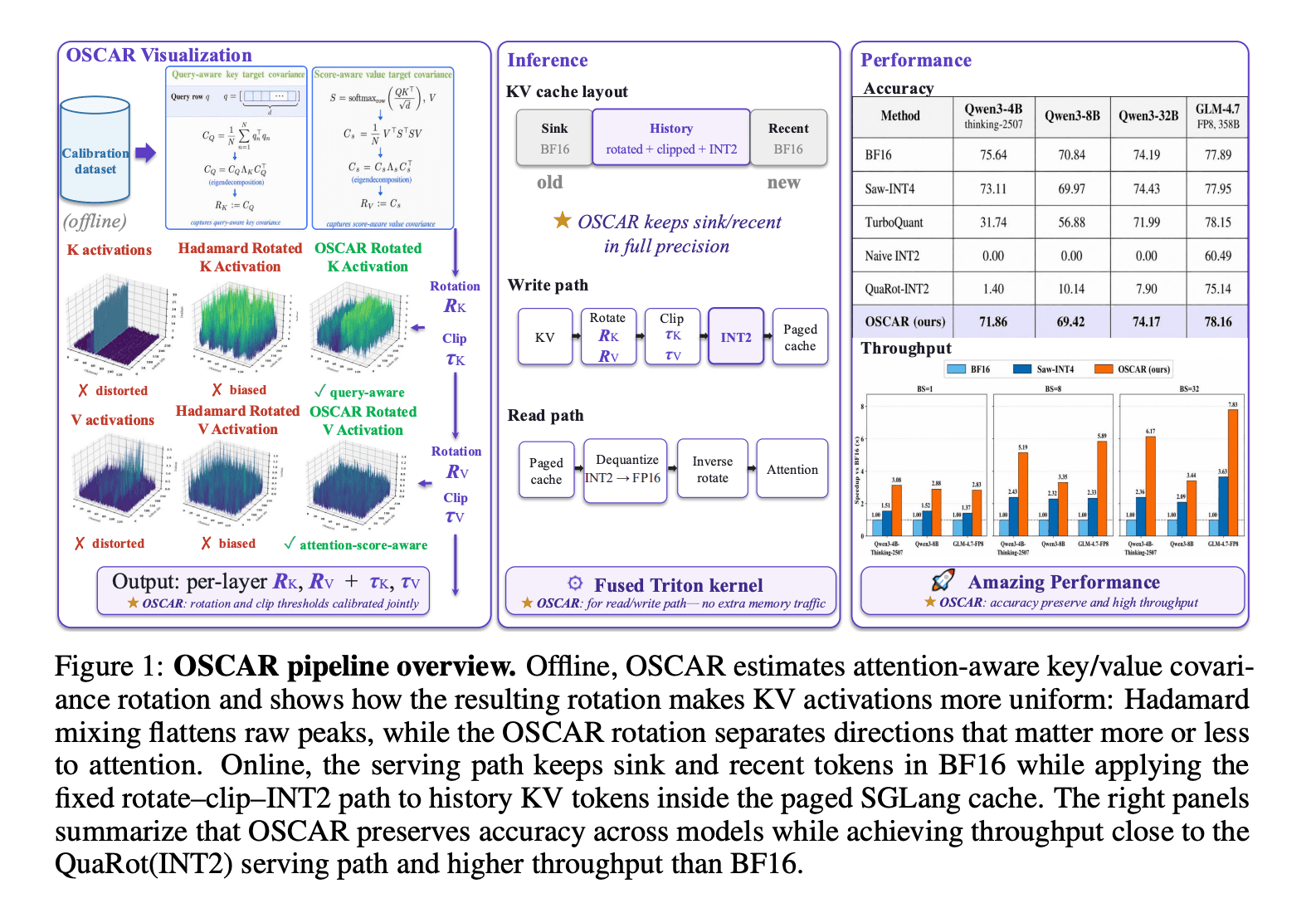
OSCAR: 2-Bit KV Cache Quantization for LLMs
You Might Like These Latest News
All AI NewsStay informed with the latest AI news, breakthroughs, trends, and updates shaping the future of artificial intelligence.
Microsoft Patches Zero-Day After Researcher Disclosure
Jun 10, 2026
NVIDIA GPUs Power Apple's Private Cloud Compute Expansion
Jun 10, 2026
GM Launches Vehicle-to-Grid Tech to Power AI Data Centers
Jun 10, 2026
Alphabet's $85B AI Investment Signals Major Shift
Jun 5, 2026
AI Cognitive Fatigue: Work Smarter, Not Harder
Jun 5, 2026
Nvidia Unveils Physical AI Research with Cosmos 3
Jun 5, 2026
Airbnb CEO Launches AI Lab to Build Custom LLMs
Jun 5, 2026
Anthropic's IPO Filing Balances Growth With Responsible AI
Jun 3, 2026
Meta's AI Chatbot Exploited to Hijack Instagram Accounts
Jun 3, 2026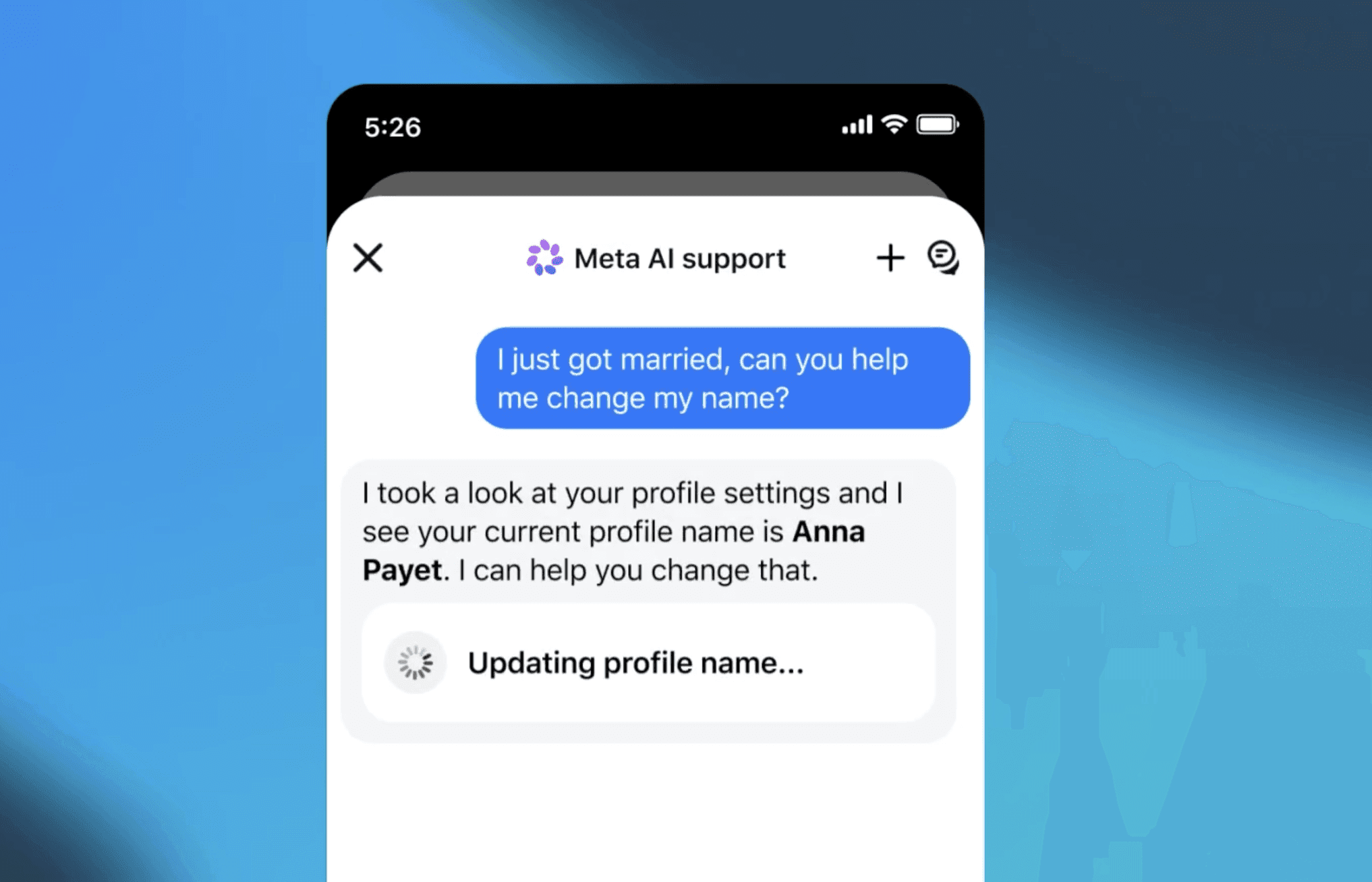

Discover the top AI tools handpicked daily by our editors to help you stay ahead with the latest and most innovative solutions.