Join Our Community










Get the earliest access to hand-picked content weekly for free.
Spam-free guaranteed! Only insights.
Join Our Community
Get the earliest access to hand-picked content weekly for free.
Spam-free guaranteed! Only insights.

🎯 Quick Impact Summary
* DeepL Voice API provides real-time, high-accuracy speech transcription and translation for developers.
* Key features include multi-speaker identification and low-latency processing, making it ideal for live applications.
* It is best suited for businesses building customer service, video conferencing, or e-learning platforms.
* Pricing is usage-based (per second of audio), so costs should be calculated for high-volume projects.
* Compared to alternatives like AssemblyAI or Google Cloud Speech-to-Text, its main advantage is the direct integration with DeepL's top-tier translation engine.
DeepL has launched its Voice API, a powerful new tool designed for real-time speech transcription and translation. This API allows developers to integrate advanced audio processing capabilities directly into their applications, converting spoken language into text and translating it on the fly. It is primarily built for businesses and developers creating communication tools, customer service platforms, or any application needing multilingual audio support. The key benefits are its high accuracy, low latency, and seamless integration with the DeepL ecosystem, promising more natural and efficient cross-language interactions.
The DeepL Voice API offers a robust set of features focused on delivering high-quality, real-time audio processing. Its core capabilities include highly accurate speech-to-text transcription and instantaneous translation of that transcribed text into dozens of target languages. A standout feature is its ability to handle multiple speakers within a single audio stream, providing speaker identification and segmentation. The API supports various audio formats and offers configurable options for output, such as punctuation and formatting, allowing developers to tailor the results to their specific application needs. This focus on detail ensures the output is not just accurate, but also usable and well-structured.
DeepL Voice API leverages the same advanced neural network technology that powers its acclaimed text translation service. When an audio stream is sent to the API, it first processes the speech using a state-of-the-art automatic speech recognition (ASR) engine. This engine is trained on vast datasets to accurately transcribe spoken words into text, even with varying accents and background noise. Once the text is generated, it is fed directly into DeepL's translation engine, which produces a natural-sounding translation in the target language. The entire process is optimized for low latency, making it suitable for live conversations and real-time applications.
The practical applications for the DeepL Voice API are extensive, particularly in a globalized world. Customer service centers can use it to provide real-time translation for agents and international customers, breaking down language barriers instantly. Video conferencing platforms can integrate it to offer live captions and translated subtitles, enhancing accessibility and participation for all attendees. In the education sector, it can power e-learning tools that provide real-time transcription and translation of lectures. Content creators and media companies can also use it to automatically generate subtitles and transcripts for video and audio content, streamlining their localization workflow.
As an API product, DeepL Voice API typically operates on a usage-based pricing model, often measured per second of audio processed. This pay-as-you-go structure is designed to be scalable for both small projects and large enterprise-level deployments. Specific pricing tiers or volume discounts may be available for businesses with high-usage needs. For the most accurate and up-to-date pricing information, including any free trial or developer credits, potential users should consult the official DeepL website and their API documentation.
Pros: * High Accuracy: Built on DeepL's industry-leading translation and transcription models. * Low Latency: Optimized for real-time applications like live conversations. * Scalability: API-first design suitable for projects of any size. * Developer-Friendly: Well-documented and easy to integrate.
Cons: * Cost at Scale: Usage-based pricing can become expensive for high-volume applications. * Limited Language Support: While extensive, it may not cover every niche language pair compared to some text-based services.
Who Should Use It: The DeepL Voice API is ideal for developers, businesses, and product managers building communication, collaboration, or content localization tools. It is a perfect fit for companies prioritizing accuracy and a seamless user experience in their multilingual audio features. It is less suited for hobbyists or projects with no budget, but for professional applications, it offers a top-tier solution.
FAQ
AI Spotlights
Unleashing Today's trailblazer, this week's game-changers, and this month's legends in AI. Dive in and discover tools that matter.

Claude Fable 5 Review: Mythos Power with Safety
Gemma 4 12B Review: Multimodal AI on Your Laptop

Google Dreambeans Review: AI Cartoon Stories
NVIDIA Nemotron 3 Ultra: 550B MoE LLM Review
Meta AI Agent for Enterprises: Global Launch
Gemini Omni and 3.5: Google's Latest AI Models
Step 3.7 Flash Review: 198B MoE Vision-Language Model

Gemini Spark Review: Google's AI Agent Goes Personal
Microsoft Agent Governance Toolkit Review
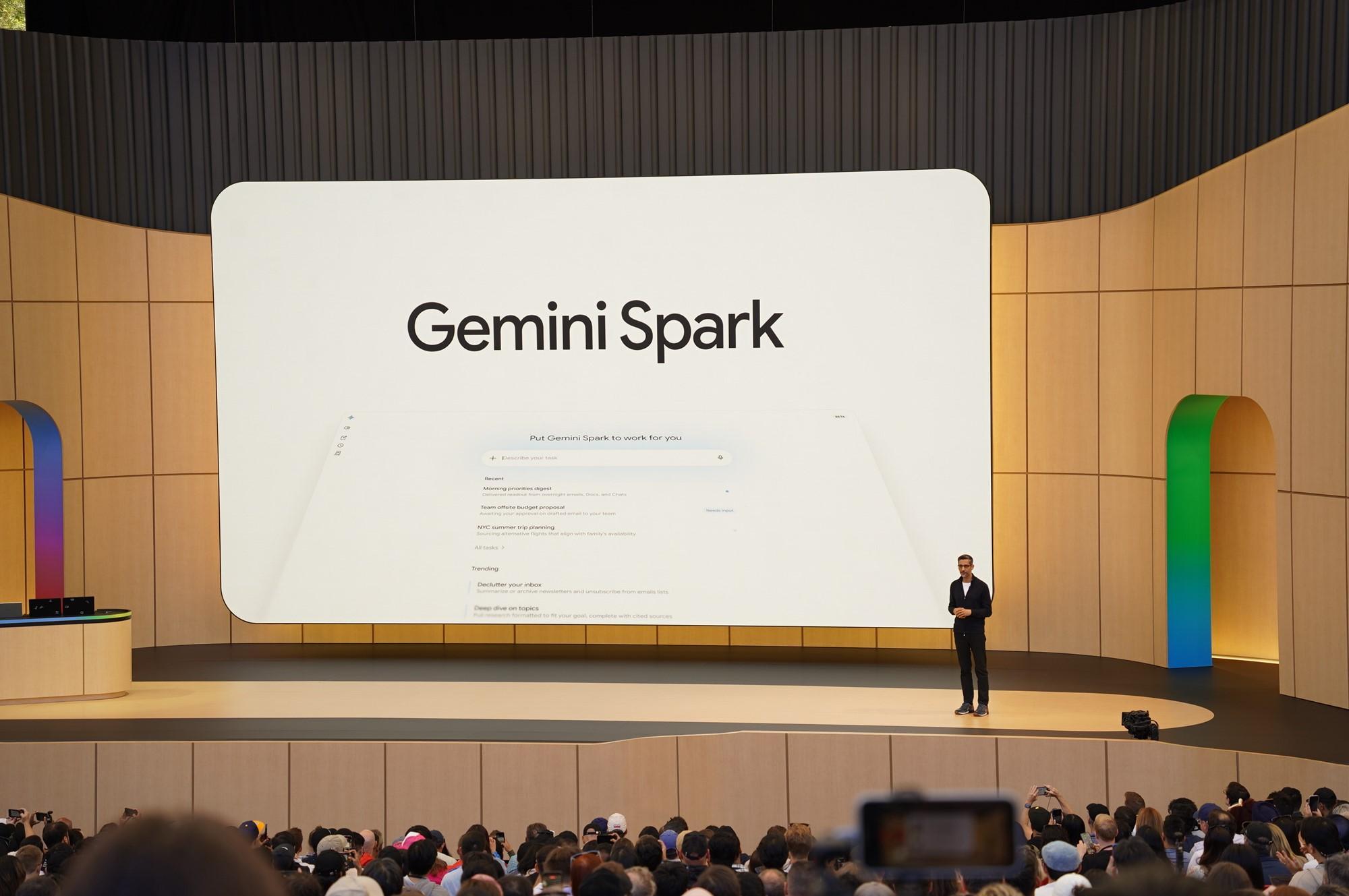
Gemini Spark AI Agent Review: Always-On Automation

MAI-Thinking-1 Review: Microsoft's Advanced Reasoning AI
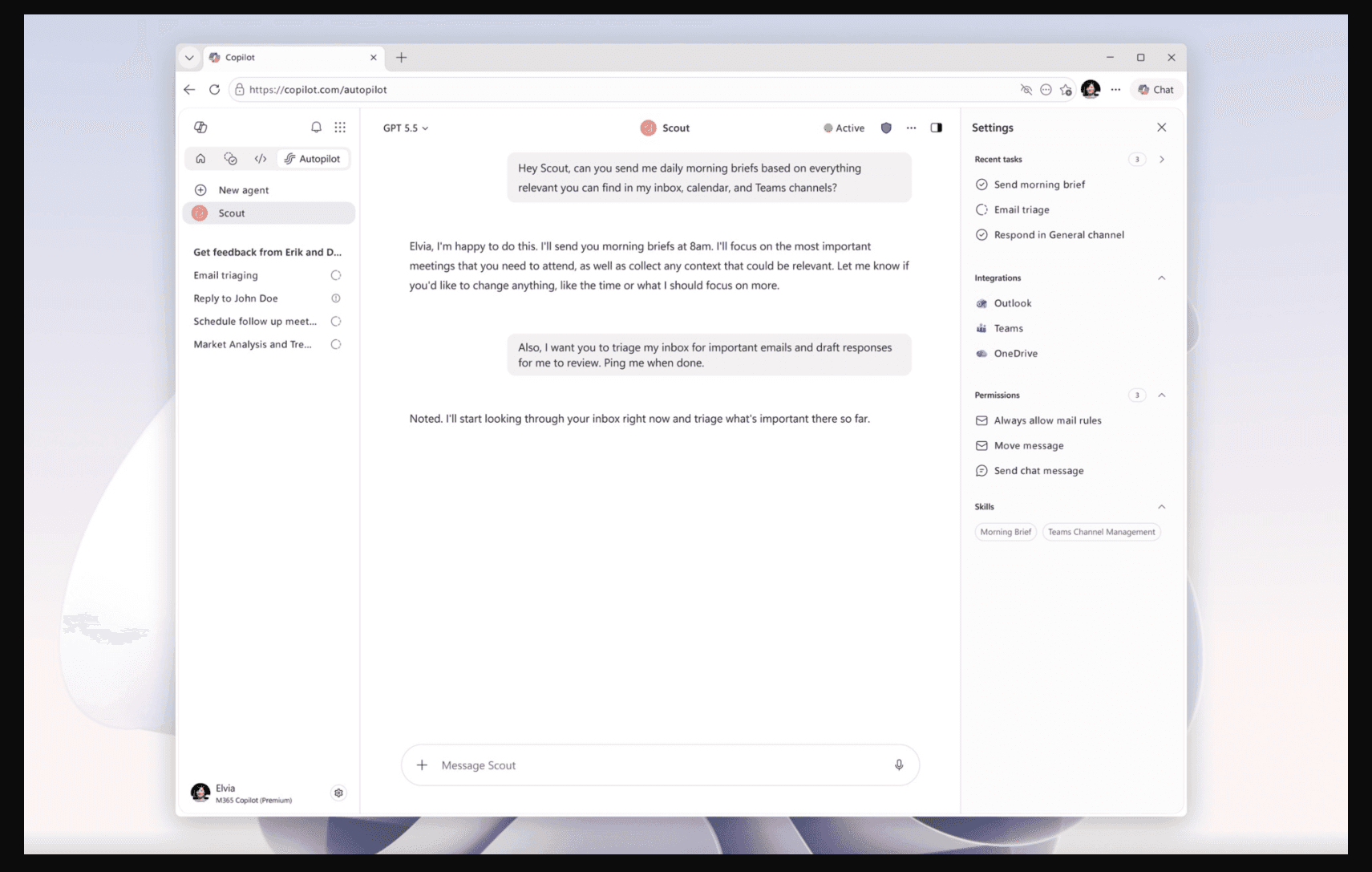
Microsoft Scout Review: OpenClaw-Powered AI Assistant

Microsoft MDASH Review: 100+ AI Agents for Threat Hunting

Google Phone App Fake Call Detection Review
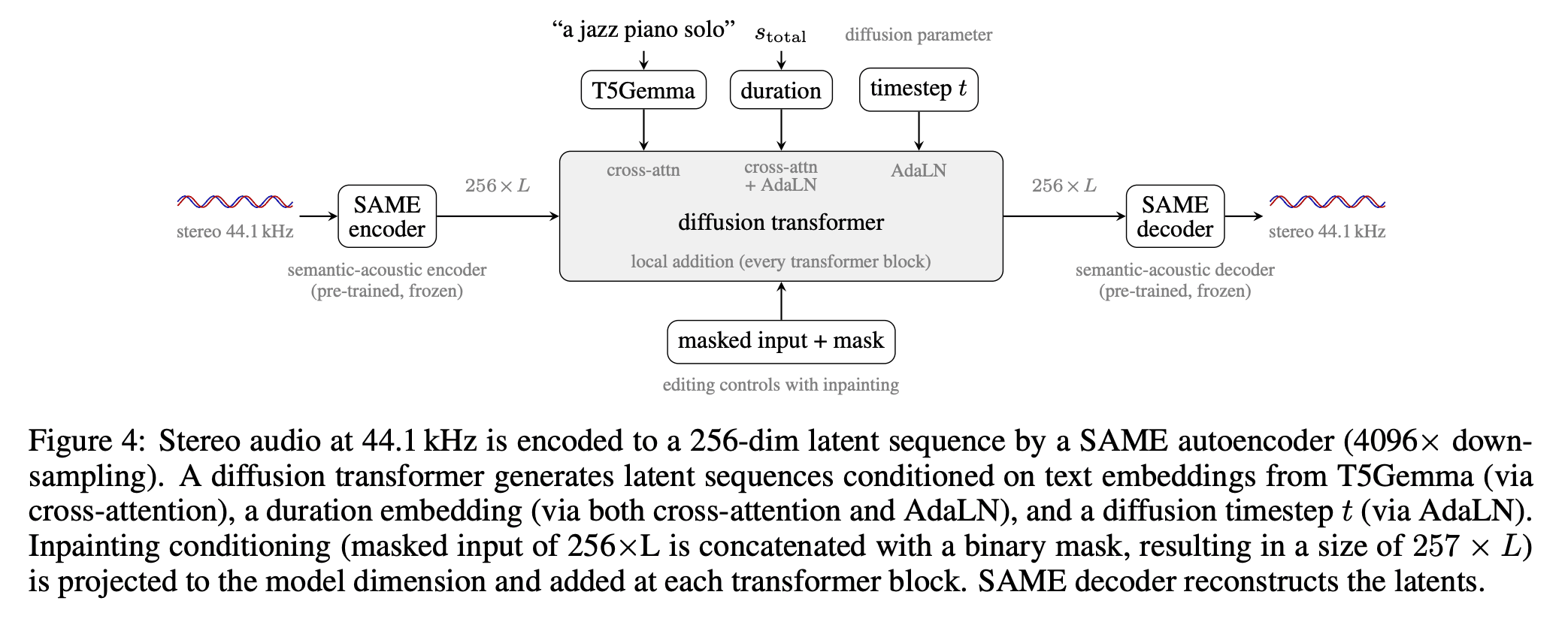
Stable Audio 3 Review: Fast AI Audio Generation
Claude Opus 4.8: Dynamic Workflows & Faster AI
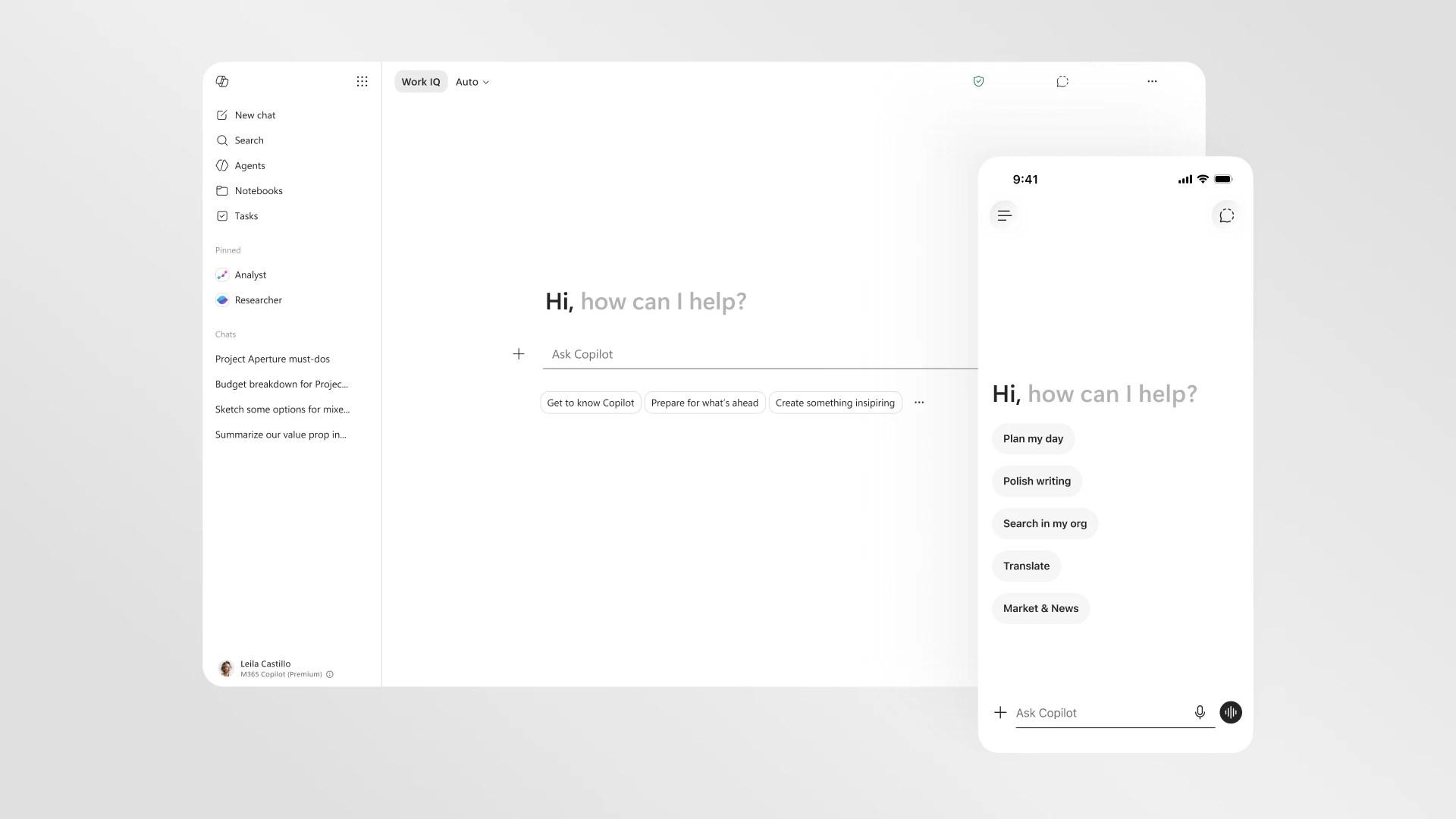
Microsoft 365 Copilot Redesign: 2x Speed Boost

Perplexity Bumblebee: AI Supply Chain Security Scanner

AWS OpenSearch Serverless Review: Enterprise Search Reimagined
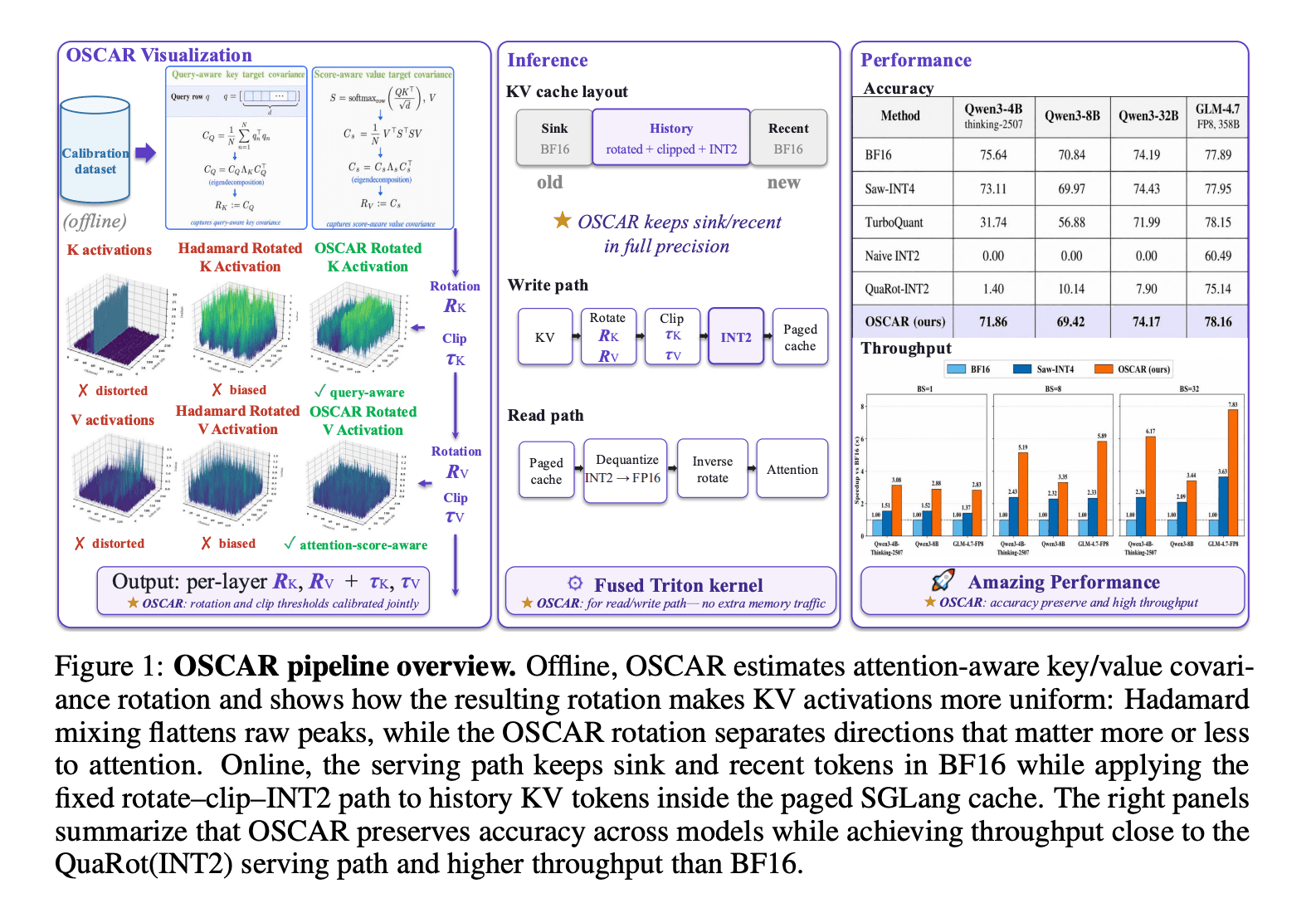
OSCAR: 2-Bit KV Cache Quantization for LLMs
You Might Like These Latest News
All AI NewsStay informed with the latest AI news, breakthroughs, trends, and updates shaping the future of artificial intelligence.
Microsoft Patches Zero-Day After Researcher Disclosure
Jun 10, 2026
NVIDIA GPUs Power Apple's Private Cloud Compute Expansion
Jun 10, 2026
GM Launches Vehicle-to-Grid Tech to Power AI Data Centers
Jun 10, 2026
Alphabet's $85B AI Investment Signals Major Shift
Jun 5, 2026
AI Cognitive Fatigue: Work Smarter, Not Harder
Jun 5, 2026
Nvidia Unveils Physical AI Research with Cosmos 3
Jun 5, 2026
Airbnb CEO Launches AI Lab to Build Custom LLMs
Jun 5, 2026
Anthropic's IPO Filing Balances Growth With Responsible AI
Jun 3, 2026
Meta's AI Chatbot Exploited to Hijack Instagram Accounts
Jun 3, 2026

Discover the top AI tools handpicked daily by our editors to help you stay ahead with the latest and most innovative solutions.