
Coca-Cola AI Ad Glitches Reveal AI Video Flaws

Coca-Cola’s AI Holiday Ad Glitches: A Cautionary Tale for AI in Marketing
Artificial intelligence is rapidly changing the landscape of marketing, promising personalized experiences and efficient content creation. However, a recent stumble by Coca-Cola serves as a stark reminder that AI isn’t foolproof. The beverage giant’s attempt at an AI-powered holiday ad campaign, designed to generate unique images for individual consumers, was plagued with glitches, producing unsettling and often bizarre results. This incident highlights the current shortcomings of AI image generation and raises important questions about the responsible implementation of this technology in brand messaging. The focus on AI in marketing is growing, and this event provides a valuable case study for businesses considering similar strategies.
The Holiday Magic Gone Wrong: What Happened with Coca-Cola’s AI Ad?
Coca-Cola’s ambitious holiday campaign aimed to leverage the power of AI to create personalized ads. Users were prompted to submit a few keywords or phrases representing their holiday wishes. An AI image generator, presumably using a platform like DALL-E 3 or Midjourney, would then craft a unique visual representation of those wishes, incorporating Coca-Cola branding. The intention was heartwarming – a personalized touch to connect with consumers during the festive season.
Unfortunately, the execution didn’t quite match the vision. Instead of idyllic winter scenes and joyful celebrations, many users received images that were… strange. Reports flooded social media showcasing distorted figures, unsettling compositions, and generally unsettling visuals. One user requesting an image of “cozy winter nights” received a picture featuring a deformed figure seemingly melting into a fireplace. Another, hoping for a depiction of “family fun,” was presented with a bizarre scene involving dismembered limbs and a Coca-Cola bottle. The campaign quickly became a cautionary tale, demonstrating the unpredictable nature of AI image generation and the potential for brand damage when things go awry. The issues weren’t limited to aesthetics; some generated images contained elements that were simply nonsensical or didn’t align with the user’s input at all. This raises concerns about the quality control measures in place and the reliance on AI without sufficient human oversight.
Understanding the Limitations of AI Image Generation
The Coca-Cola debacle isn’t necessarily a failure of Coca-Cola itself, but rather a symptom of the current state of AI image generation technology. While these tools have made incredible strides in recent years, they are still prone to errors and inconsistencies. Several factors contribute to these limitations.
Firstly, AI models are trained on massive datasets of images scraped from the internet. These datasets inevitably contain biases and inaccuracies, which can be reflected in the generated images. Secondly, AI struggles with nuanced concepts and abstract ideas. A prompt like “cozy winter nights” is open to interpretation, and the AI may not accurately grasp the desired emotional tone or visual elements. Thirdly, current AI models often lack a strong understanding of anatomy, physics, and common sense. This can lead to distorted figures, impossible scenarios, and generally unrealistic images.
Furthermore, the “black box” nature of many AI algorithms makes it difficult to understand *why* a particular image was generated. This lack of transparency hinders debugging and improvement efforts. As reported by The Verge, the campaign was quickly paused after the issues surfaced, demonstrating the speed at which brands need to react to AI-related mishaps.
The Future of AI in Marketing: Lessons Learned and Best Practices
The Coca-Cola incident offers valuable lessons for marketers considering incorporating AI into their campaigns. The first and most crucial takeaway is the need for rigorous testing and quality control. AI-generated content should never be deployed without thorough human review. This includes checking for visual inaccuracies, offensive content, and brand inconsistencies. Secondly, marketers should be realistic about the capabilities of AI. AI is a powerful tool, but it’s not a replacement for human creativity and judgment. It’s best used to augment human efforts, not to automate them entirely.
Thirdly, transparency is key. Consumers are becoming increasingly aware of the use of AI in marketing, and they appreciate honesty and openness. Brands should clearly disclose when content is AI-generated, and they should be prepared to address any concerns or criticisms. Finally, it’s important to focus on ethical considerations. AI should be used responsibly and ethically, avoiding biases and ensuring fairness. The future of AI in marketing isn’t about replacing human marketers, but about empowering them with new tools and capabilities. By embracing a cautious and responsible approach, brands can harness the power of AI to create more engaging and effective campaigns.
The Coca-Cola AI ad glitch serves as a potent reminder that while AI offers exciting possibilities for marketing, it’s not without its pitfalls. The incident underscores the importance of human oversight, rigorous testing, and a realistic understanding of AI’s current limitations. As AI technology continues to evolve, brands must prioritize responsible implementation and ethical considerations to avoid similar mishaps and build trust with consumers. The key takeaway is that AI should be viewed as a powerful tool to *enhance* marketing efforts, not to replace the human element entirely.
FAQ
Related Topics







AI Spotlights
Unleashing Today's trailblazer, this week's game-changers, and this month's legends in AI. Dive in and discover tools that matter.

Claude Fable 5 Review: Mythos Power with Safety
Gemma 4 12B Review: Multimodal AI on Your Laptop

Google Dreambeans Review: AI Cartoon Stories
NVIDIA Nemotron 3 Ultra: 550B MoE LLM Review
Meta AI Agent for Enterprises: Global Launch
Gemini Omni and 3.5: Google's Latest AI Models

Step 3.7 Flash Review: 198B MoE Vision-Language Model

Gemini Spark Review: Google's AI Agent Goes Personal
Microsoft Agent Governance Toolkit Review
Gemini Spark AI Agent Review: Always-On Automation

MAI-Thinking-1 Review: Microsoft's Advanced Reasoning AI
Microsoft Scout Review: OpenClaw-Powered AI Assistant
Microsoft MDASH Review: 100+ AI Agents for Threat Hunting

Google Phone App Fake Call Detection Review
Stable Audio 3 Review: Fast AI Audio Generation
Claude Opus 4.8: Dynamic Workflows & Faster AI
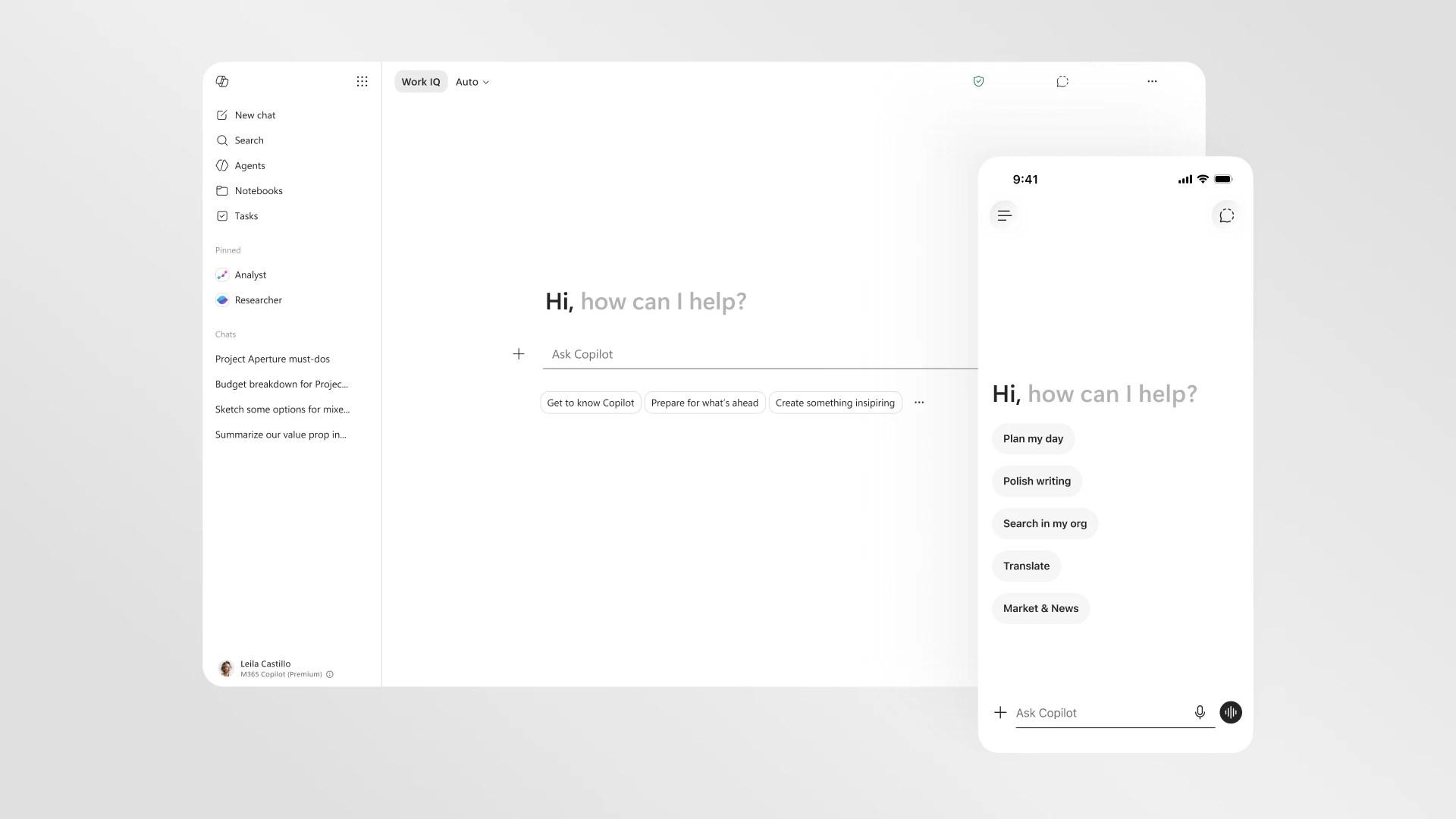
Microsoft 365 Copilot Redesign: 2x Speed Boost

Perplexity Bumblebee: AI Supply Chain Security Scanner

AWS OpenSearch Serverless Review: Enterprise Search Reimagined
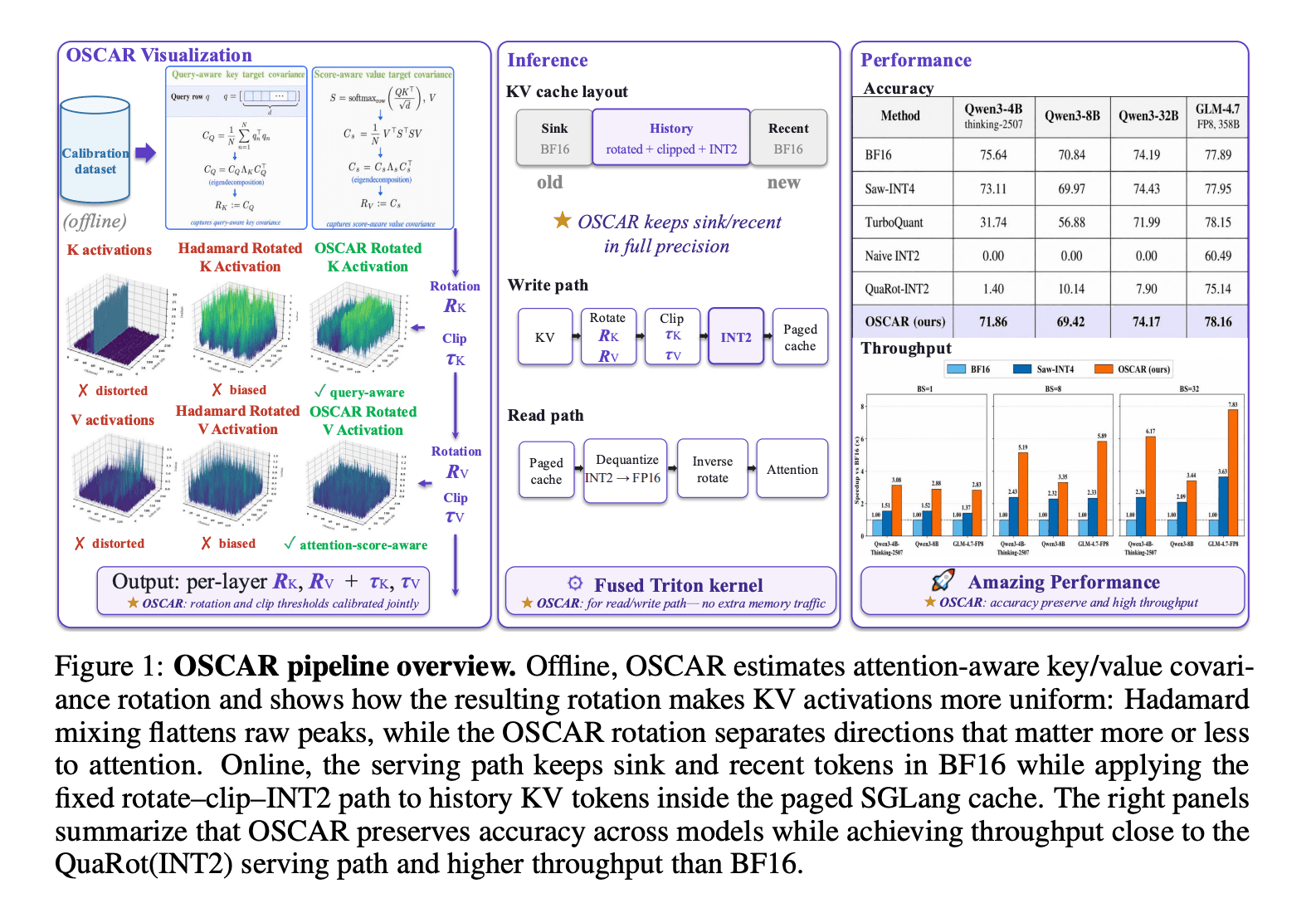
OSCAR: 2-Bit KV Cache Quantization for LLMs
You Might Like These Latest News
All AI NewsStay informed with the latest AI news, breakthroughs, trends, and updates shaping the future of artificial intelligence.
Microsoft Patches Zero-Day After Researcher Disclosure
Jun 10, 2026
NVIDIA GPUs Power Apple's Private Cloud Compute Expansion
Jun 10, 2026
GM Launches Vehicle-to-Grid Tech to Power AI Data Centers
Jun 10, 2026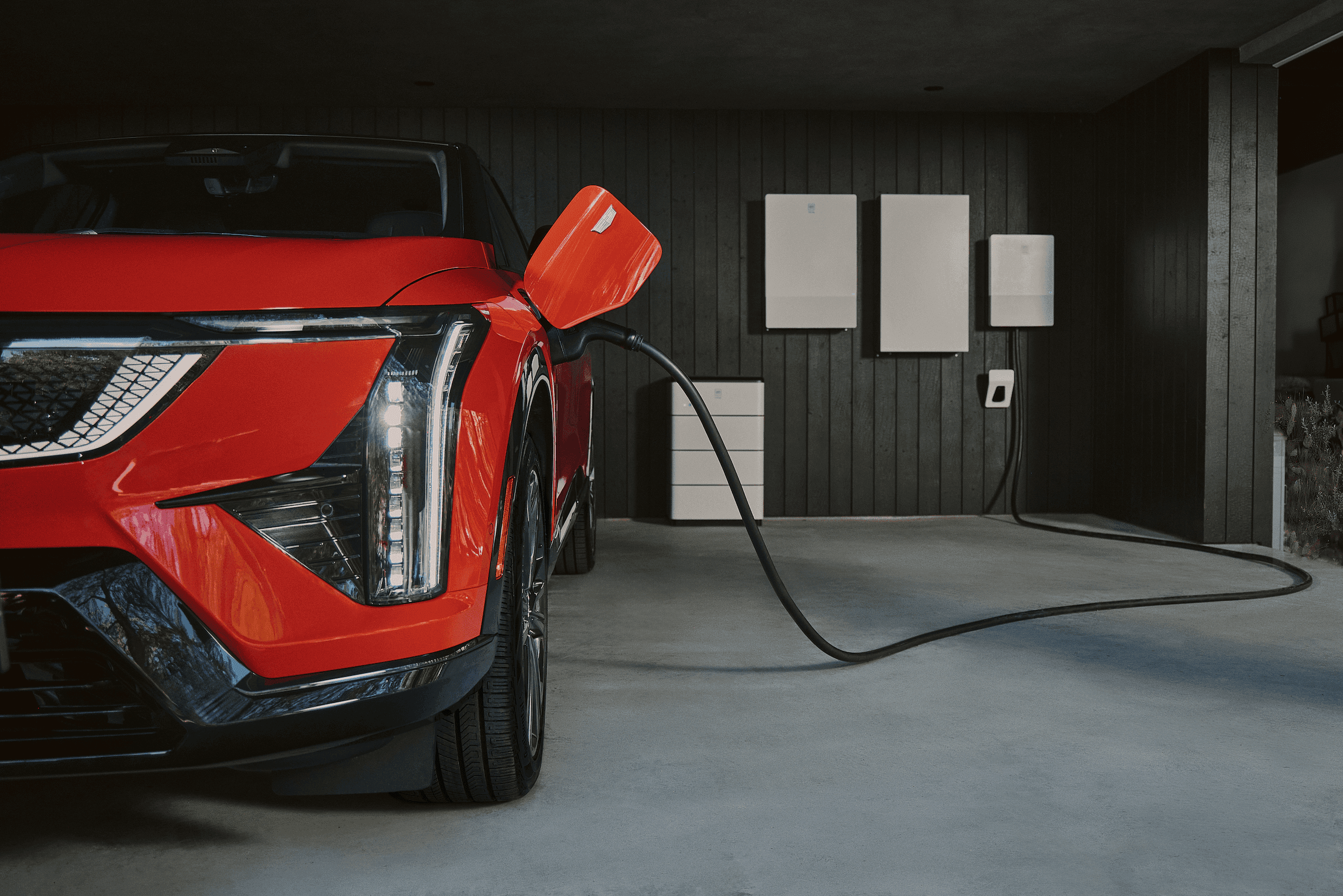
Alphabet's $85B AI Investment Signals Major Shift
Jun 5, 2026
AI Cognitive Fatigue: Work Smarter, Not Harder
Jun 5, 2026
Nvidia Unveils Physical AI Research with Cosmos 3
Jun 5, 2026
Airbnb CEO Launches AI Lab to Build Custom LLMs
Jun 5, 2026
Anthropic's IPO Filing Balances Growth With Responsible AI
Jun 3, 2026
Meta's AI Chatbot Exploited to Hijack Instagram Accounts
Jun 3, 2026

Tools of The Day
Discover the top AI tools handpicked daily by our editors to help you stay ahead with the latest and most innovative solutions.