Join Our Community










Get the earliest access to hand-picked content weekly for free.
Spam-free guaranteed! Only insights.
Join Our Community
Get the earliest access to hand-picked content weekly for free.
Spam-free guaranteed! Only insights.
🎯 Quick Impact Summary
OpenAI is taking significant steps to create a safer ChatGPT experience for teenage users by implementing a new age verification system. This move comes as AI companies face increasing pressure to protect younger users from potentially harmful content while still providing access to beneficial AI tools.
The upcoming changes will require users to verify their age through a combination of ID verification and facial recognition technology, allowing OpenAI to provide age-appropriate experiences and enhanced safety features for users between 13 and 17 years old.
OpenAI plans to implement a multi-layered approach to age verification for ChatGPT. Users claiming to be 13-17 years old will need to provide a government-issued ID and complete a facial recognition check to confirm their identity. This process aims to ensure that teen accounts are genuinely held by teenagers, not adults attempting to bypass safety measures.
The company has partnered with Berbix, a digital identity verification platform, to handle the verification process. Berbix will check the authenticity of IDs and use facial recognition to match the ID photo with the user's face. OpenAI emphasizes that these verification images will be deleted after the process is complete, addressing potential privacy concerns.
For users who identify as 18 or older, OpenAI may still request age verification if they suspect the user might be underage. This approach demonstrates the company's commitment to creating appropriate boundaries based on user age while maintaining access to AI technology.
Once verified, teen accounts on ChatGPT will include several additional safety measures designed specifically for younger users. These features reflect OpenAI's understanding of the unique vulnerabilities and needs of teenage users.
Teen accounts will have more restrictive default settings, including limitations on certain types of content. The web browsing capability will be disabled for teen users, preventing them from using ChatGPT to access potentially harmful online content. Additionally, OpenAI will implement stronger filters to prevent inappropriate responses to prompts from teenage users.
Perhaps most significantly, OpenAI is introducing a Teen Account Management Portal that gives parents and guardians greater oversight of their teens' ChatGPT usage. Parents will be able to review activity, set usage limits, and receive notifications about their teen's interactions with the AI system.
OpenAI's new age verification system represents part of a larger trend in the AI industry toward more responsible development practices. As AI tools become increasingly sophisticated and widely available, concerns about their impact on vulnerable populations, particularly children and teenagers, have grown.
Regulatory bodies around the world have begun paying closer attention to how AI companies protect younger users. In the United States, the Children's Online Privacy Protection Act (COPPA) already places restrictions on collecting data from users under 13, which is why most AI services, including ChatGPT, set 13 as their minimum age requirement.
However, simply setting an age limit has proven insufficient without robust verification mechanisms. OpenAI's approach acknowledges this reality and attempts to create meaningful safeguards while still allowing teenagers to benefit from AI technology in appropriate ways.
The company has stated that these changes align with their commitment to developing AI that is "safe, beneficial, and fair." By implementing age verification and enhanced safety features, OpenAI aims to address concerns from parents, educators, and policymakers about AI's potential negative impacts on young users while preserving access to the educational benefits these tools can provide.
FAQ
AI Spotlights
Unleashing Today's trailblazer, this week's game-changers, and this month's legends in AI. Dive in and discover tools that matter.

Claude Fable 5 Review: Mythos Power with Safety
Gemma 4 12B Review: Multimodal AI on Your Laptop

Google Dreambeans Review: AI Cartoon Stories
NVIDIA Nemotron 3 Ultra: 550B MoE LLM Review
Meta AI Agent for Enterprises: Global Launch

Gemini Omni and 3.5: Google's Latest AI Models

Step 3.7 Flash Review: 198B MoE Vision-Language Model

Gemini Spark Review: Google's AI Agent Goes Personal
Microsoft Agent Governance Toolkit Review
Gemini Spark AI Agent Review: Always-On Automation

MAI-Thinking-1 Review: Microsoft's Advanced Reasoning AI
Microsoft Scout Review: OpenClaw-Powered AI Assistant

Microsoft MDASH Review: 100+ AI Agents for Threat Hunting
Google Phone App Fake Call Detection Review
Stable Audio 3 Review: Fast AI Audio Generation

Claude Opus 4.8: Dynamic Workflows & Faster AI
Microsoft 365 Copilot Redesign: 2x Speed Boost

Perplexity Bumblebee: AI Supply Chain Security Scanner

AWS OpenSearch Serverless Review: Enterprise Search Reimagined
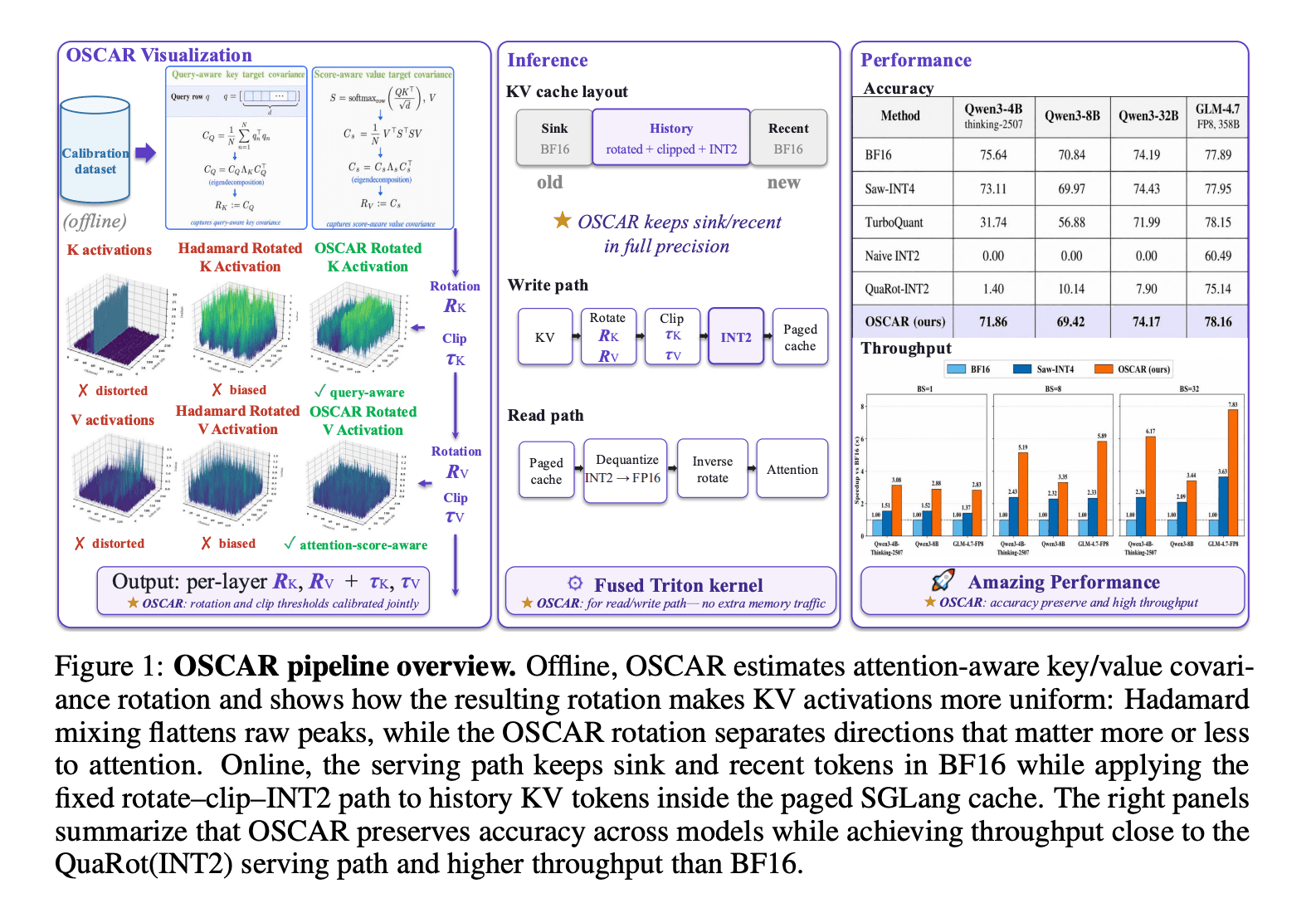
OSCAR: 2-Bit KV Cache Quantization for LLMs
You Might Like These Latest News
All AI NewsStay informed with the latest AI news, breakthroughs, trends, and updates shaping the future of artificial intelligence.
Microsoft Patches Zero-Day After Researcher Disclosure
Jun 10, 2026
NVIDIA GPUs Power Apple's Private Cloud Compute Expansion
Jun 10, 2026
GM Launches Vehicle-to-Grid Tech to Power AI Data Centers
Jun 10, 2026
Alphabet's $85B AI Investment Signals Major Shift
Jun 5, 2026
AI Cognitive Fatigue: Work Smarter, Not Harder
Jun 5, 2026
Nvidia Unveils Physical AI Research with Cosmos 3
Jun 5, 2026
Airbnb CEO Launches AI Lab to Build Custom LLMs
Jun 5, 2026
Anthropic's IPO Filing Balances Growth With Responsible AI
Jun 3, 2026
Meta's AI Chatbot Exploited to Hijack Instagram Accounts
Jun 3, 2026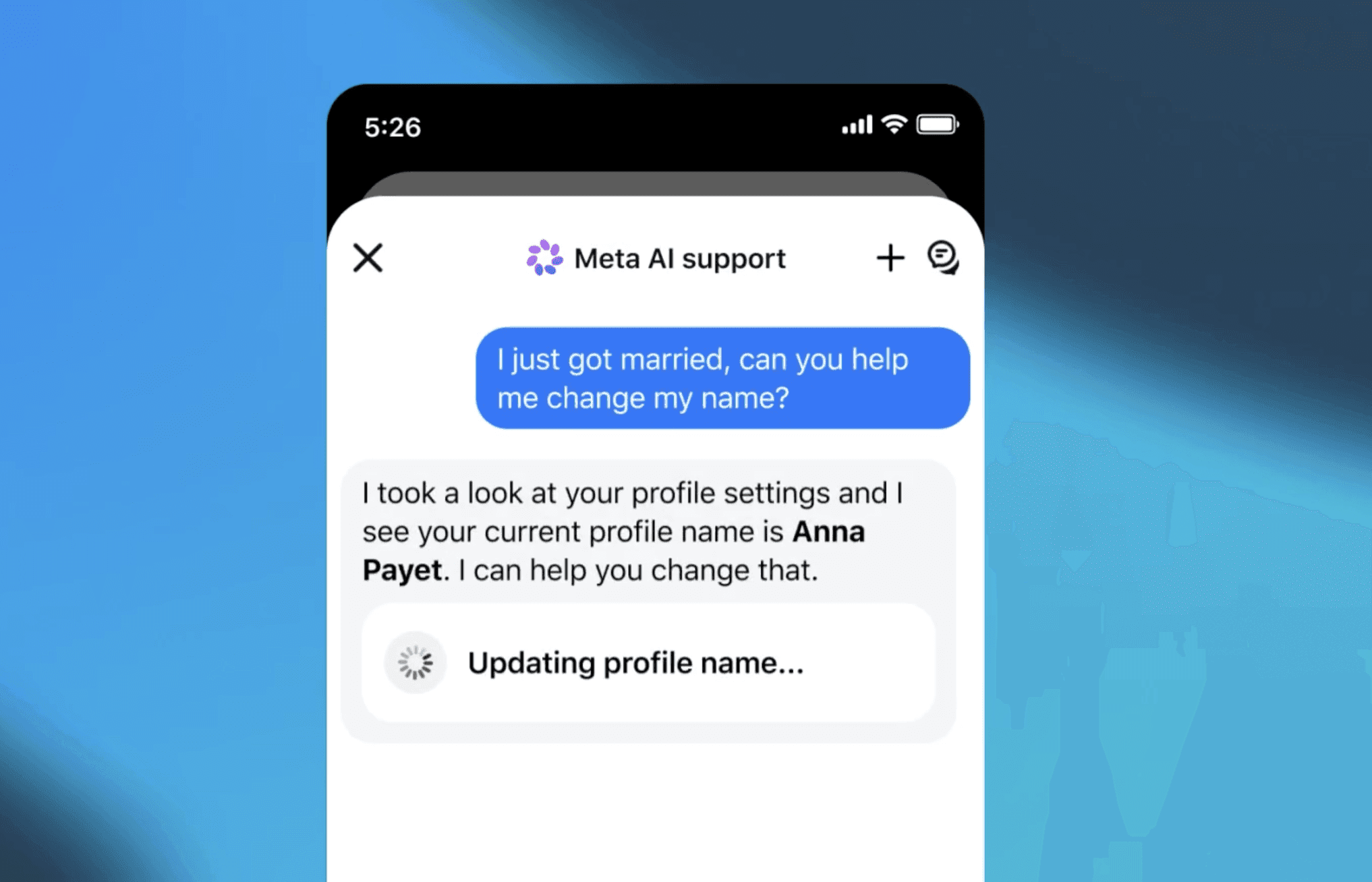

Discover the top AI tools handpicked daily by our editors to help you stay ahead with the latest and most innovative solutions.