Join Our Community








Get the earliest access to hand-picked content weekly for free.
Spam-free guaranteed! Only insights.
Join Our Community
Get the earliest access to hand-picked content weekly for free.
Spam-free guaranteed! Only insights.

🎯 Quick Impact Summary
-ByteDance's Jimeng AI is a powerful text-to-video model capable of generating 10-second, 1080p clips with high visual fidelity and temporal consistency.
-It is designed to lower the barrier to video production, making it ideal for social media marketers, content creators, and creative professionals for tasks like ad creation, storyboarding, and explainer videos.
-The tool features a user-friendly interface and leverages advanced diffusion technology, but access is currently limited and prompt engineering is key to achieving optimal results.
-While pricing for a global release is not yet finalized, it is expected to use a credit-based system, offering a competitive value proposition against alternatives like Runway, Luma AI, and Pika.
-Its main strengths lie in its ease of use and high-quality output, but limitations include short clip duration and regional availability, making it a strong contender but not a complete replacement for all video production needs.
The landscape of AI video generation has been rapidly evolving, with new models challenging the dominance of established players. Recently, ByteDance, the company behind TikTok and CapCut, released Jimeng AI, a text-to-video model that has garnered attention for its ability to generate high-quality, coherent clips from simple text prompts. This tool addresses a significant problem for creators: the high cost and technical barrier of traditional video production. It is designed for social media managers, content creators, and marketing professionals who need to produce engaging visual content quickly and efficiently. By leveraging ByteDance's vast data and computational resources, Jimeng AI promises a blend of accessibility and high-fidelity output, making professional-grade video creation more attainable for a broader audience.
Jimeng AI stands out with its impressive technical specifications. The model can generate videos up to 10 seconds long at 1080p resolution, which is a competitive offering compared to many current tools that struggle with consistency over longer durations. A key feature is its "multi-modal" understanding, which allows it to interpret complex prompts involving specific actions, camera movements, and stylistic elements. For instance, a prompt like "A cinematic shot of a glass of water on a wooden table, with morning sunlight filtering through a window, slow-motion ripple on the surface" can result in a visually stunning and physically plausible clip. It also supports image-to-video generation, where a static image can be animated based on a text description, adding another layer of creative control. This capability is particularly useful for transforming illustrations or product photos into dynamic marketing assets.
At its core, Jimeng AI utilizes a sophisticated diffusion model architecture, similar to those behind tools like Sora or Runway Gen-3, but optimized for efficiency and speed. ByteDance has leveraged its immense computational infrastructure to train the model on a vast and diverse dataset of video content, enabling it to learn complex physical dynamics and aesthetic styles. The technology focuses on temporal consistency, ensuring that objects and scenes remain coherent between frames, a common challenge in earlier AI video models. While the exact architecture details are proprietary, the performance suggests significant advancements in latent space manipulation for video. The model processes text prompts through a natural language understanding component, which then guides the video generation process frame by frame, resulting in a cohesive final product.
The practical applications for Jimeng AI are extensive, particularly for digital content workflows. Social media marketers can use it to create eye-catching ads or reels without the need for a video shoot, turning a simple product description into a dynamic visual story. For instance, a fashion brand could generate a video of a model walking down a runway in a specific style, all from a text prompt. Educators and instructional designers can create animated explainer videos quickly, visualizing complex concepts that would otherwise require hours of animation work. Furthermore, independent filmmakers and storyboard artists can use it for pre-visualization, rapidly generating scene ideas to test camera angles and lighting before committing to a full production. This tool is ideal for anyone needing to prototype video concepts or produce short-form content at scale.
As of its initial release, Jimeng AI is available to users in China, primarily through the "Dreamina" app, which is ByteDance's existing AI image and video platform. Access for international users has been limited, but the model is expected to be integrated into ByteDance's global creative suite, potentially including CapCut. Pricing details for a wider release are not yet fully public, but the model is likely to follow a credit-based system, similar to competitors like Luma AI or Pika. Users might receive a free daily allowance of credits to generate a few videos, with subscription tiers offering more generations per month. For professional use, enterprise-level pricing could offer API access for seamless integration into larger marketing and content creation pipelines. The value proposition is strong, especially for users already invested in the ByteDance ecosystem.
Pros: -High-Quality Output: Generates visually appealing and coherent 1080p video clips. -Ease of Use: Simple text-to-video interface lowers the barrier to entry. -Fast Generation: Leverages efficient architecture for quicker processing times. -Backed by ByteDance: Benefits from the company's massive R&D and data resources.
Cons: -Limited Access: Currently restricted in some regions, with a waitlist for international users. -Short Clip Length: The 10-second limit may not suffice for longer-form content without editing. -Learning Curve: Crafting prompts that yield desired results requires practice and experimentation. -Potential for Bias: Like all AI models, it may reflect biases present in its training data.
Who Should Use It: Jimeng AI is best suited for social media content creators, digital marketers, and small business owners who need to produce high-quality video ads and posts quickly. It is also valuable for creative professionals like designers and filmmakers for brainstorming and storyboarding. Users who are already comfortable with the ByteDance ecosystem (TikTok, CapCut) will find it particularly easy to integrate into their workflow. Those requiring long-form, narrative-driven video production may need to wait for future updates or use it in conjunction with traditional editing software.
FAQ
Related Topics
AI Spotlights
Unleashing Today's trailblazer, this week's game-changers, and this month's legends in AI. Dive in and discover tools that matter.

Claude Fable 5 Review: Mythos Power with Safety
Gemma 4 12B Review: Multimodal AI on Your Laptop
Google Dreambeans Review: AI Cartoon Stories
NVIDIA Nemotron 3 Ultra: 550B MoE LLM Review
Meta AI Agent for Enterprises: Global Launch
Gemini Omni and 3.5: Google's Latest AI Models
Step 3.7 Flash Review: 198B MoE Vision-Language Model

Gemini Spark Review: Google's AI Agent Goes Personal
Microsoft Agent Governance Toolkit Review
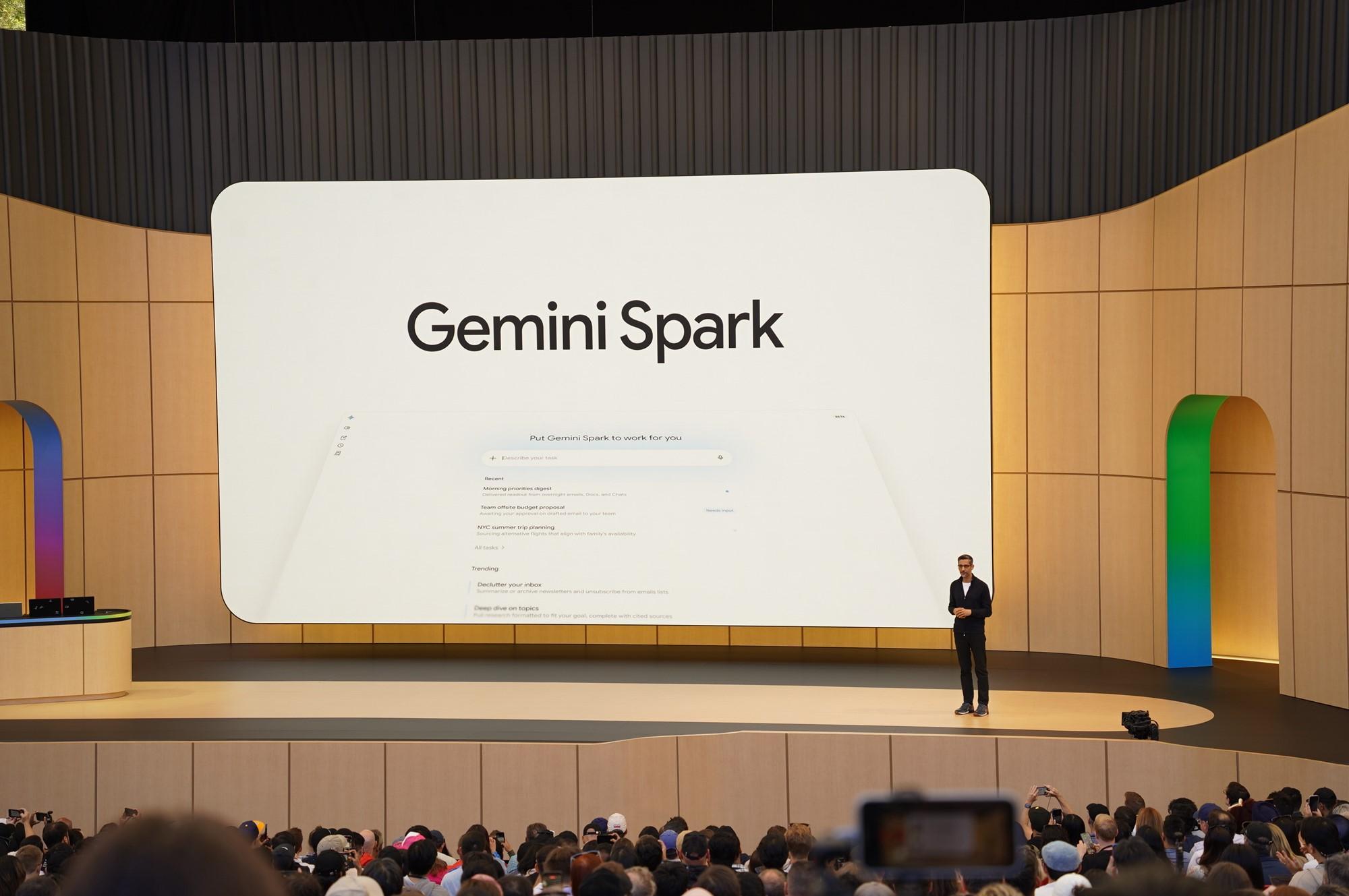
Gemini Spark AI Agent Review: Always-On Automation

MAI-Thinking-1 Review: Microsoft's Advanced Reasoning AI
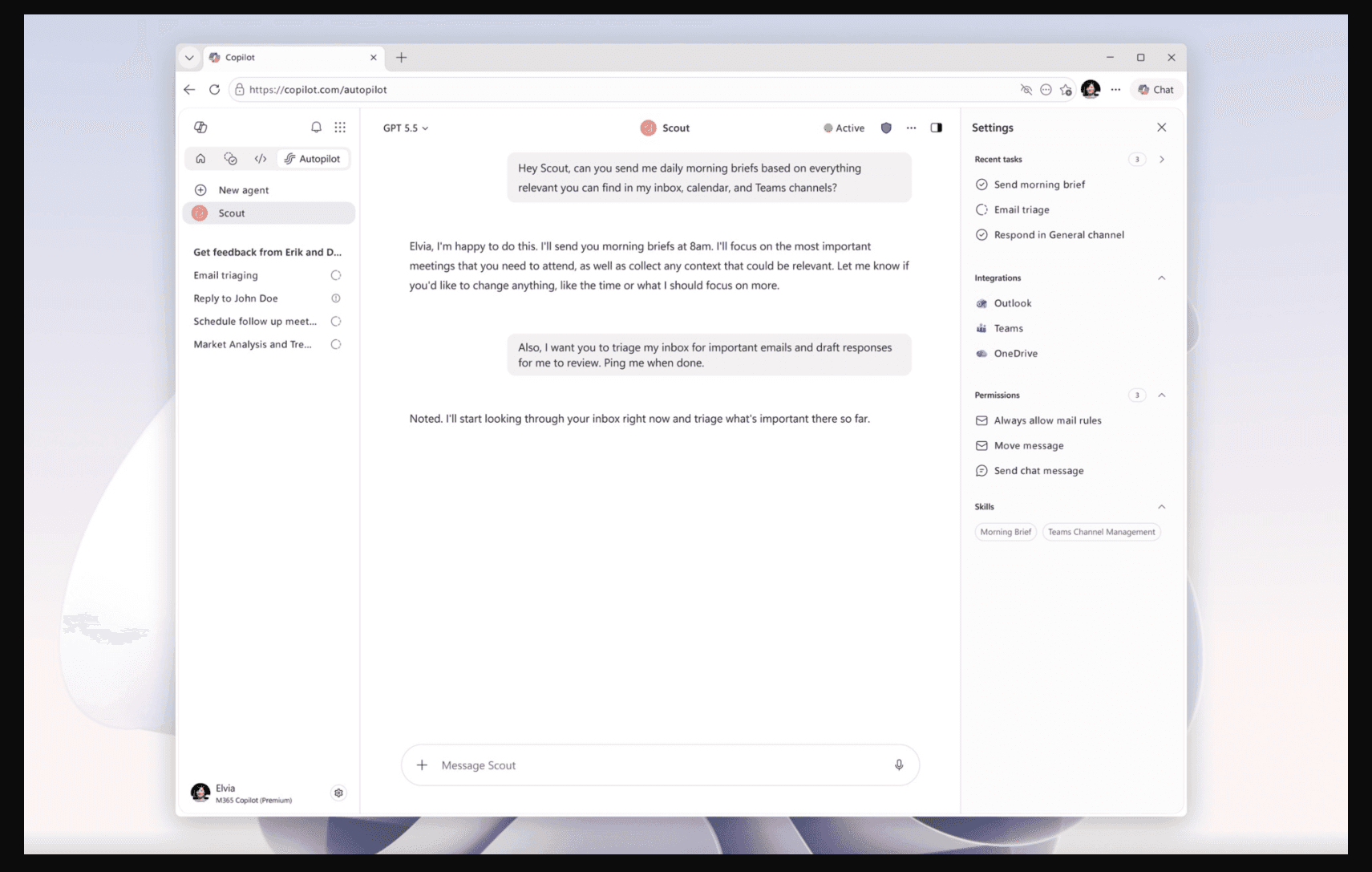
Microsoft Scout Review: OpenClaw-Powered AI Assistant

Microsoft MDASH Review: 100+ AI Agents for Threat Hunting

Google Phone App Fake Call Detection Review
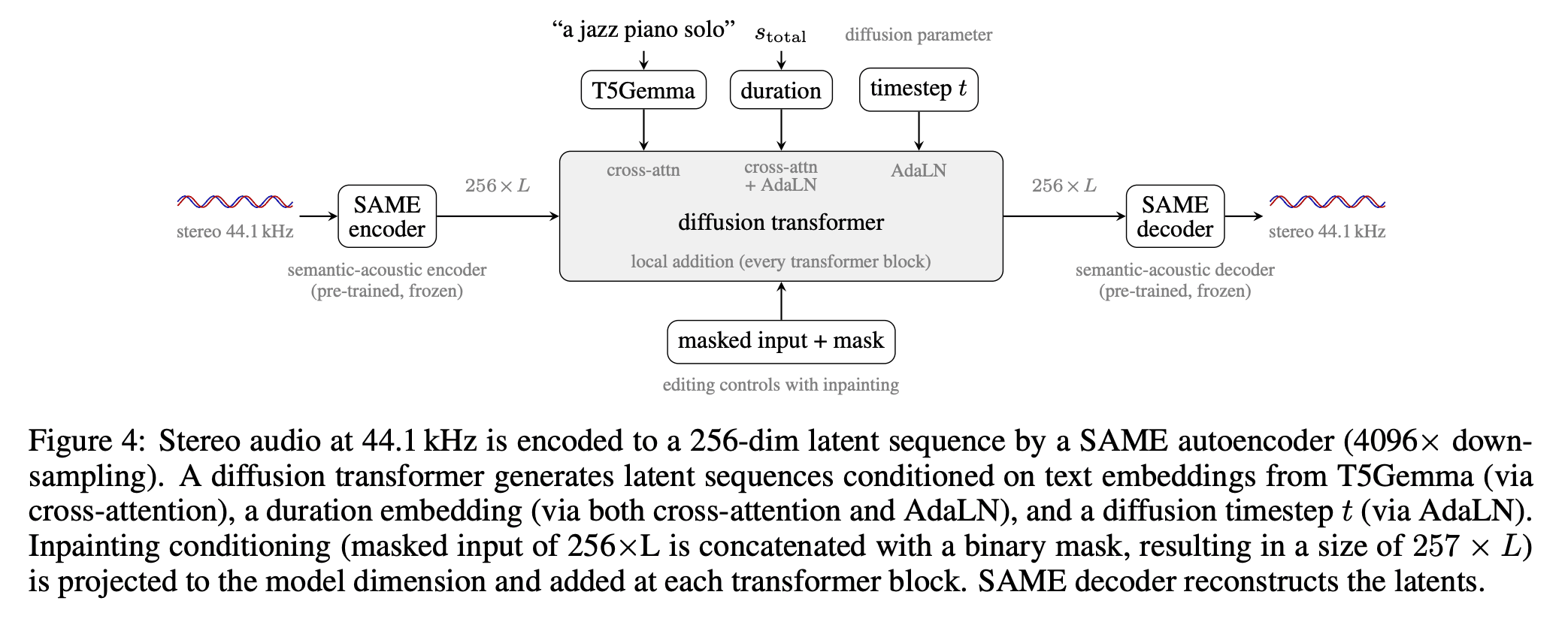
Stable Audio 3 Review: Fast AI Audio Generation
Claude Opus 4.8: Dynamic Workflows & Faster AI
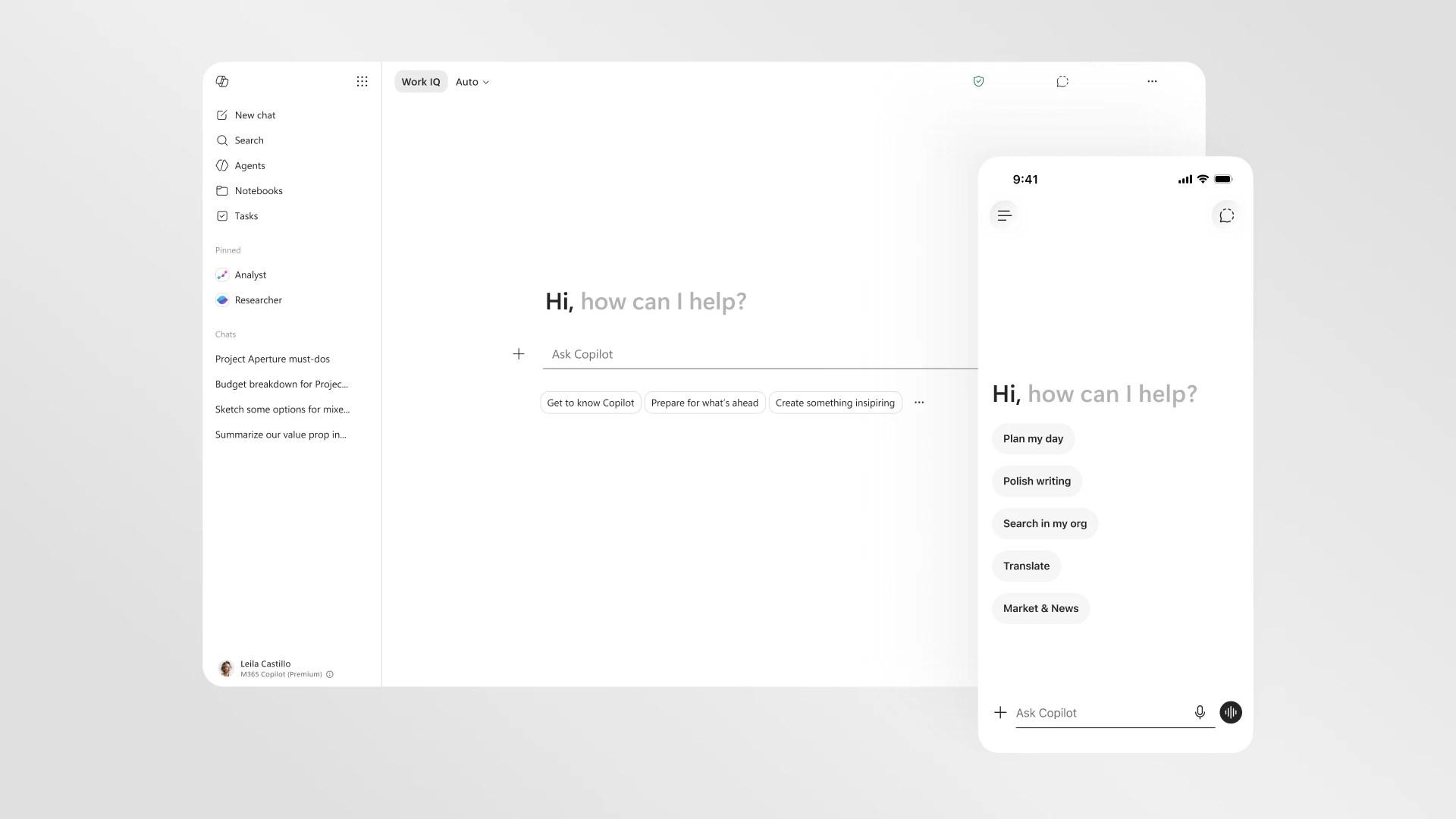
Microsoft 365 Copilot Redesign: 2x Speed Boost

Perplexity Bumblebee: AI Supply Chain Security Scanner

AWS OpenSearch Serverless Review: Enterprise Search Reimagined
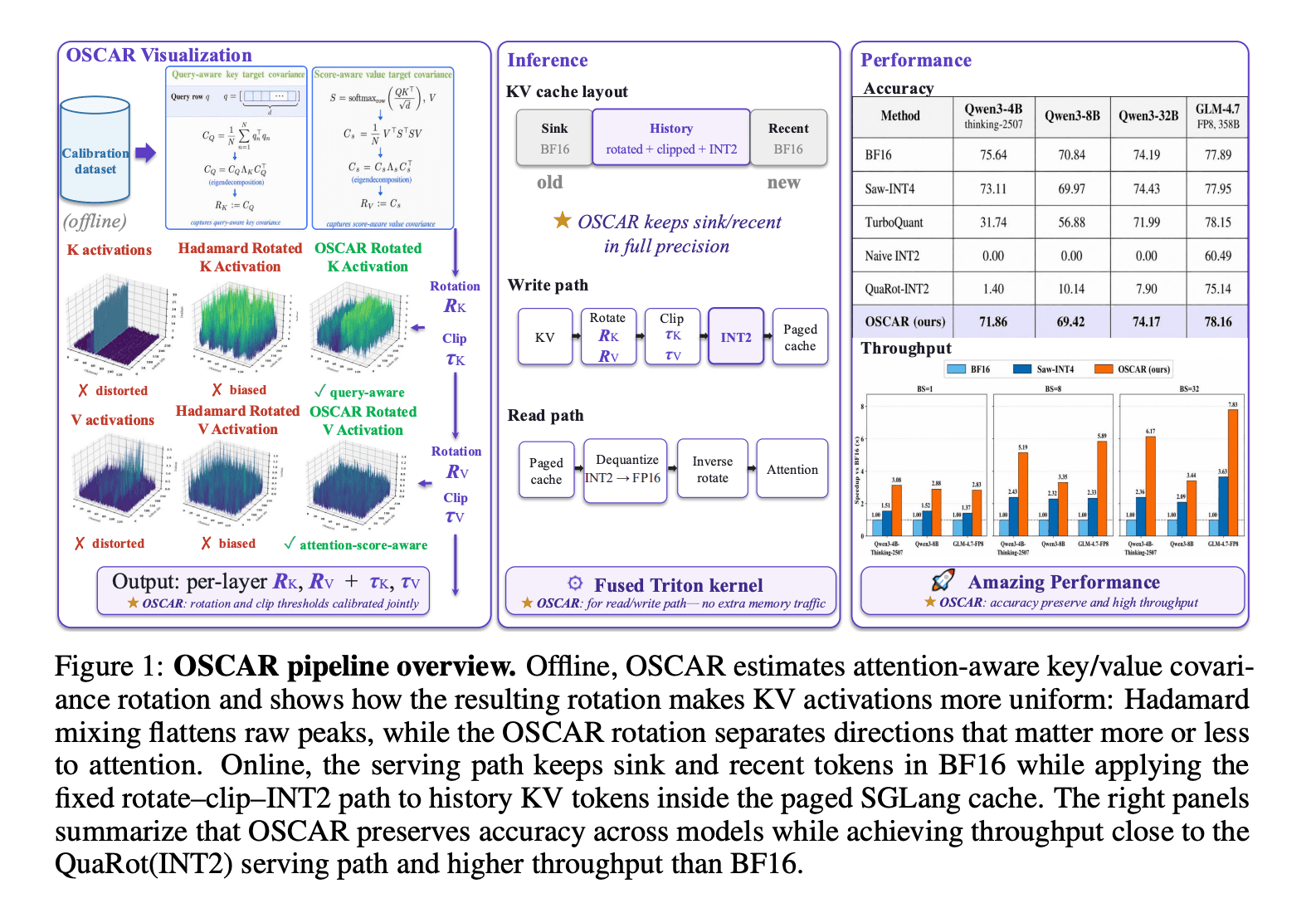
OSCAR: 2-Bit KV Cache Quantization for LLMs
You Might Like These Latest News
All AI NewsStay informed with the latest AI news, breakthroughs, trends, and updates shaping the future of artificial intelligence.
Microsoft Patches Zero-Day After Researcher Disclosure
Jun 10, 2026
NVIDIA GPUs Power Apple's Private Cloud Compute Expansion
Jun 10, 2026
GM Launches Vehicle-to-Grid Tech to Power AI Data Centers
Jun 10, 2026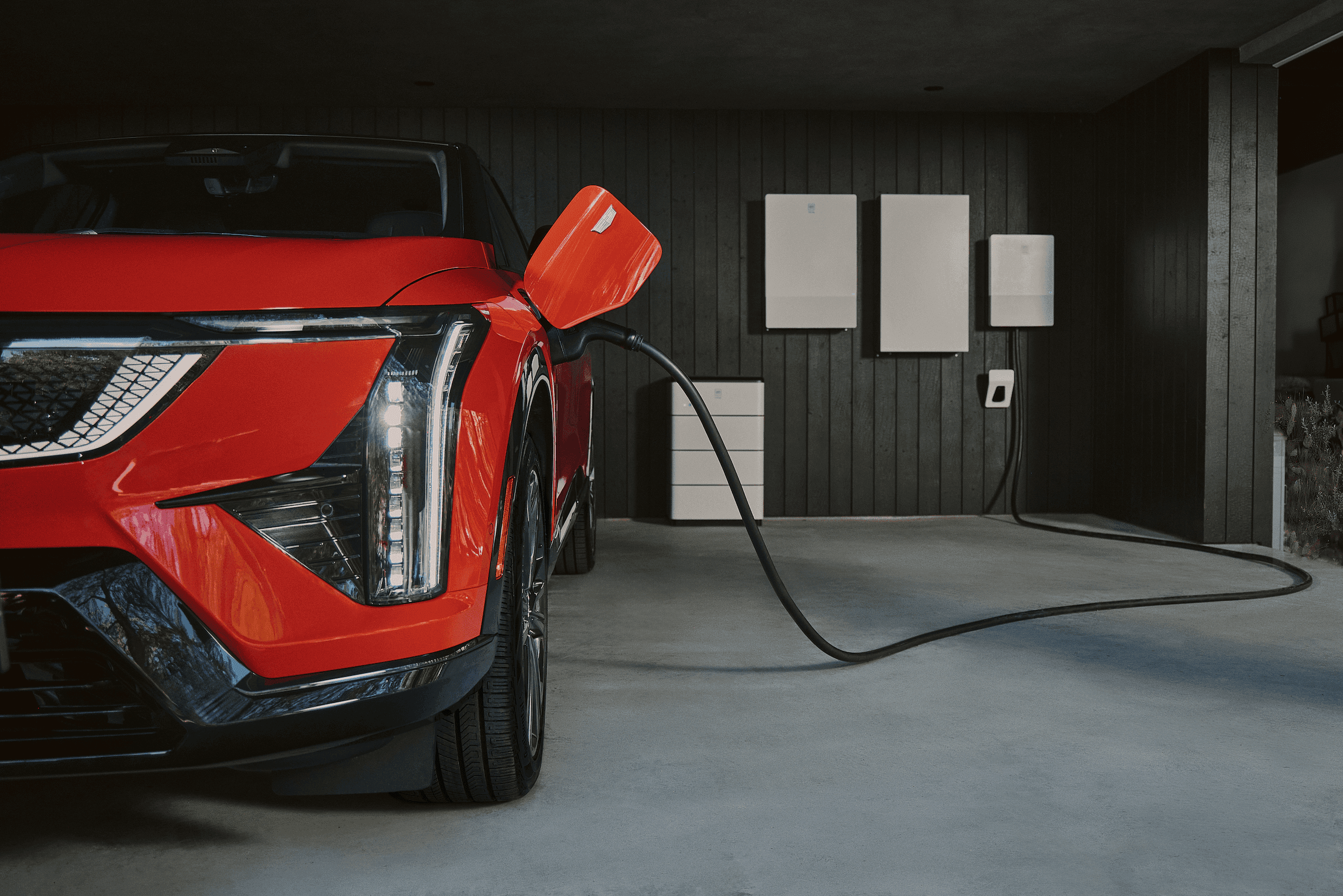
Alphabet's $85B AI Investment Signals Major Shift
Jun 5, 2026
AI Cognitive Fatigue: Work Smarter, Not Harder
Jun 5, 2026
Nvidia Unveils Physical AI Research with Cosmos 3
Jun 5, 2026
Airbnb CEO Launches AI Lab to Build Custom LLMs
Jun 5, 2026
Anthropic's IPO Filing Balances Growth With Responsible AI
Jun 3, 2026
Meta's AI Chatbot Exploited to Hijack Instagram Accounts
Jun 3, 2026

Discover the top AI tools handpicked daily by our editors to help you stay ahead with the latest and most innovative solutions.