Join Our Community










Get the earliest access to hand-picked content weekly for free.
Spam-free guaranteed! Only insights.
Join Our Community
Get the earliest access to hand-picked content weekly for free.
Spam-free guaranteed! Only insights.

🎯 KEY TAKEAWAY
If you only take one thing from this, make it these.
A new browser protocol called WebMCP has been introduced to enable Large Language Models (LLMs) to interact with web browsers without relying on screenshots. According to the announcement, this protocol provides a direct, structured interface for AI agents to control browser actions and read content. This method bypasses the need for computationally expensive visual processing, offering a more efficient alternative for web automation tasks. The protocol aims to improve the reliability and speed of AI-driven web interactions.
WebMCP establishes a direct communication channel between LLMs and browser environments:
Key Capabilities:
Technical Implementation:
This protocol addresses significant bottlenecks in current browser automation workflows:
Performance Improvements:
Development Benefits:
WebMCP represents a shift toward more efficient AI-web interaction paradigms. The protocol could enable new classes of autonomous agents that perform complex web tasks with greater reliability. As LLM capabilities grow, direct browser access protocols may become standard infrastructure for AI applications. This development suggests a future where AI agents interact with the web as seamlessly as human users, but with machine speed and precision.
WebMCP introduces a protocol that allows LLMs to interact with browsers directly, removing the need for screenshot-based analysis. This approach promises faster, more reliable, and cost-effective web automation for AI agents. The protocol is particularly relevant for developers building autonomous web navigation systems.
The adoption of direct browser protocols like WebMCP could accelerate the development of sophisticated AI agents capable of handling complex web tasks. As the technology matures, it may become a foundational component for enterprise automation and consumer-facing AI applications. Developers interested in efficient web automation should monitor this protocol's evolution.
FAQ
Related Topics
AI Spotlights
Unleashing Today's trailblazer, this week's game-changers, and this month's legends in AI. Dive in and discover tools that matter.

Claude Fable 5 Review: Mythos Power with Safety
Gemma 4 12B Review: Multimodal AI on Your Laptop

Google Dreambeans Review: AI Cartoon Stories
NVIDIA Nemotron 3 Ultra: 550B MoE LLM Review
Meta AI Agent for Enterprises: Global Launch

Gemini Omni and 3.5: Google's Latest AI Models

Step 3.7 Flash Review: 198B MoE Vision-Language Model

Gemini Spark Review: Google's AI Agent Goes Personal
Microsoft Agent Governance Toolkit Review
Gemini Spark AI Agent Review: Always-On Automation

MAI-Thinking-1 Review: Microsoft's Advanced Reasoning AI
Microsoft Scout Review: OpenClaw-Powered AI Assistant

Microsoft MDASH Review: 100+ AI Agents for Threat Hunting

Google Phone App Fake Call Detection Review
Stable Audio 3 Review: Fast AI Audio Generation

Claude Opus 4.8: Dynamic Workflows & Faster AI

Microsoft 365 Copilot Redesign: 2x Speed Boost

Perplexity Bumblebee: AI Supply Chain Security Scanner

AWS OpenSearch Serverless Review: Enterprise Search Reimagined
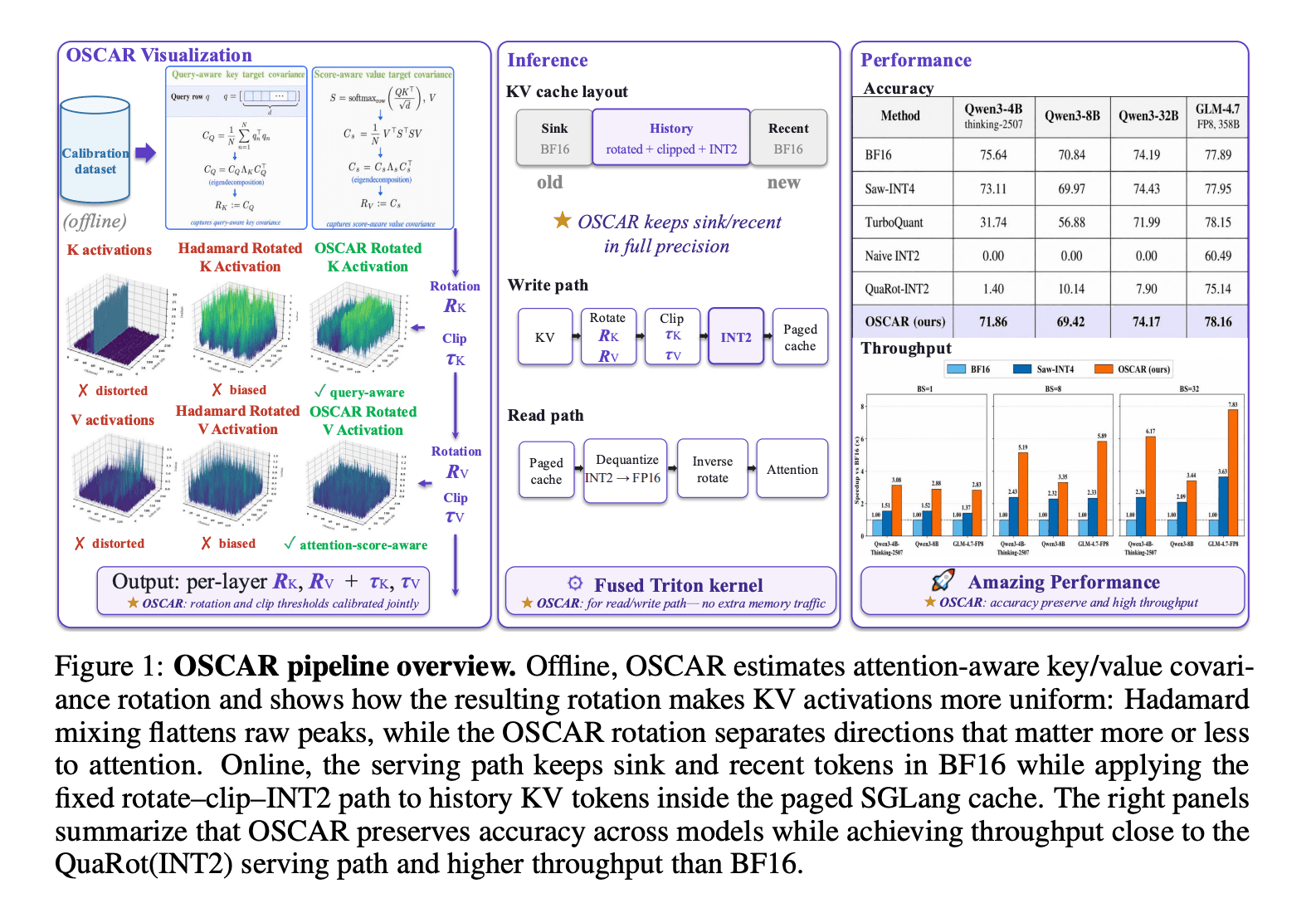
OSCAR: 2-Bit KV Cache Quantization for LLMs
You Might Like These Latest News
All AI NewsStay informed with the latest AI news, breakthroughs, trends, and updates shaping the future of artificial intelligence.
Microsoft Patches Zero-Day After Researcher Disclosure
Jun 10, 2026
NVIDIA GPUs Power Apple's Private Cloud Compute Expansion
Jun 10, 2026
GM Launches Vehicle-to-Grid Tech to Power AI Data Centers
Jun 10, 2026
Alphabet's $85B AI Investment Signals Major Shift
Jun 5, 2026
AI Cognitive Fatigue: Work Smarter, Not Harder
Jun 5, 2026
Nvidia Unveils Physical AI Research with Cosmos 3
Jun 5, 2026
Airbnb CEO Launches AI Lab to Build Custom LLMs
Jun 5, 2026
Anthropic's IPO Filing Balances Growth With Responsible AI
Jun 3, 2026
Meta's AI Chatbot Exploited to Hijack Instagram Accounts
Jun 3, 2026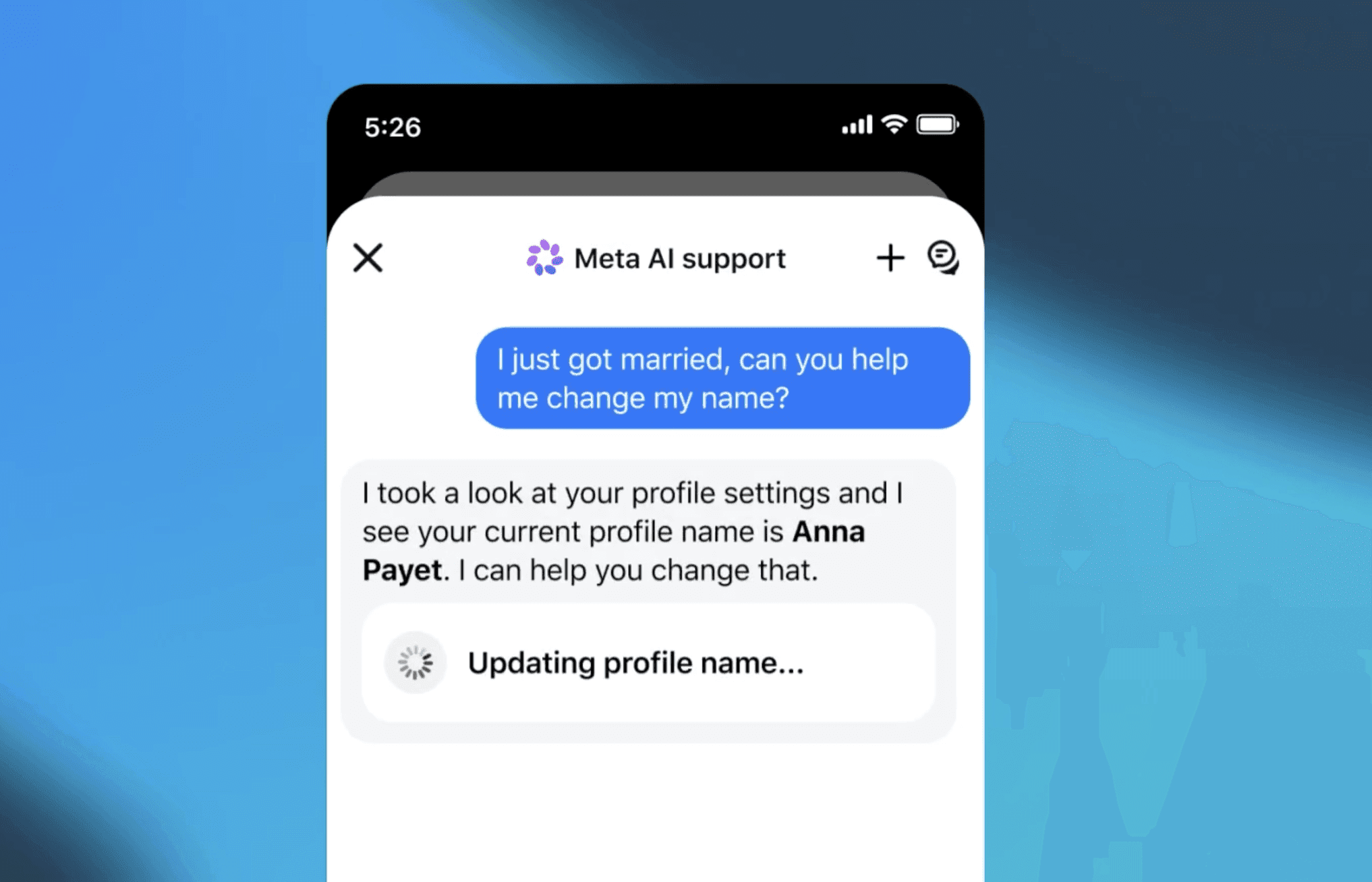

Discover the top AI tools handpicked daily by our editors to help you stay ahead with the latest and most innovative solutions.