
Join Our Community










Get the earliest access to hand-picked content weekly for free.
Spam-free guaranteed! Only insights.
Join Our Community
Get the earliest access to hand-picked content weekly for free.
Spam-free guaranteed! Only insights.
🎯 KEY TAKEAWAY
If you only take one thing from this, make it these.
Amazon Web Services (AWS) announced on February 20, 2026, that Amazon Aurora DSQL now supports identity columns and sequence objects. This new capability allows developers to automatically generate unique numerical identifiers for database rows, a fundamental feature for primary keys. According to AWS's blog post, this update significantly reduces friction for migrating existing applications to the serverless, distributed SQL database.
The addition of these features matters because it brings Aurora DSQL closer to compatibility with traditional PostgreSQL databases. Many legacy applications depend on auto-incrementing keys, and this support eliminates the need for complex application-side workarounds. For developers, it means faster migrations and less code refactoring when adopting DSQL's distributed architecture.
The update introduces two key mechanisms for generating unique IDs:
Identity Column Support:
Sequence Object Functionality:
Migration and Compatibility Benefits:
This enhancement directly addresses a common pain point in database migration projects:
Development efficiency:
Architecture flexibility:
The new features are now available in all AWS regions where Amazon Aurora DSQL is offered. There are no additional costs for using identity columns or sequence objects beyond standard DSQL pricing.
Getting started:
Next steps for developers:
Amazon Aurora DSQL's support for identity columns and sequence objects represents a significant step toward broader database compatibility. This update directly addresses developer needs by simplifying the migration of legacy applications that rely on auto-incrementing keys.
The addition of these standard database features makes DSQL more accessible to teams transitioning from traditional PostgreSQL or MySQL databases. As AWS continues to enhance DSQL's feature set, developers can expect even smoother paths to adopting distributed serverless architectures for their applications.
FAQ
AI Spotlights
Unleashing Today's trailblazer, this week's game-changers, and this month's legends in AI. Dive in and discover tools that matter.

Claude Fable 5 Review: Mythos Power with Safety
Gemma 4 12B Review: Multimodal AI on Your Laptop

Google Dreambeans Review: AI Cartoon Stories
NVIDIA Nemotron 3 Ultra: 550B MoE LLM Review
Meta AI Agent for Enterprises: Global Launch

Gemini Omni and 3.5: Google's Latest AI Models

Step 3.7 Flash Review: 198B MoE Vision-Language Model

Gemini Spark Review: Google's AI Agent Goes Personal
Microsoft Agent Governance Toolkit Review
Gemini Spark AI Agent Review: Always-On Automation

MAI-Thinking-1 Review: Microsoft's Advanced Reasoning AI
Microsoft Scout Review: OpenClaw-Powered AI Assistant

Microsoft MDASH Review: 100+ AI Agents for Threat Hunting

Google Phone App Fake Call Detection Review
Stable Audio 3 Review: Fast AI Audio Generation
Claude Opus 4.8: Dynamic Workflows & Faster AI
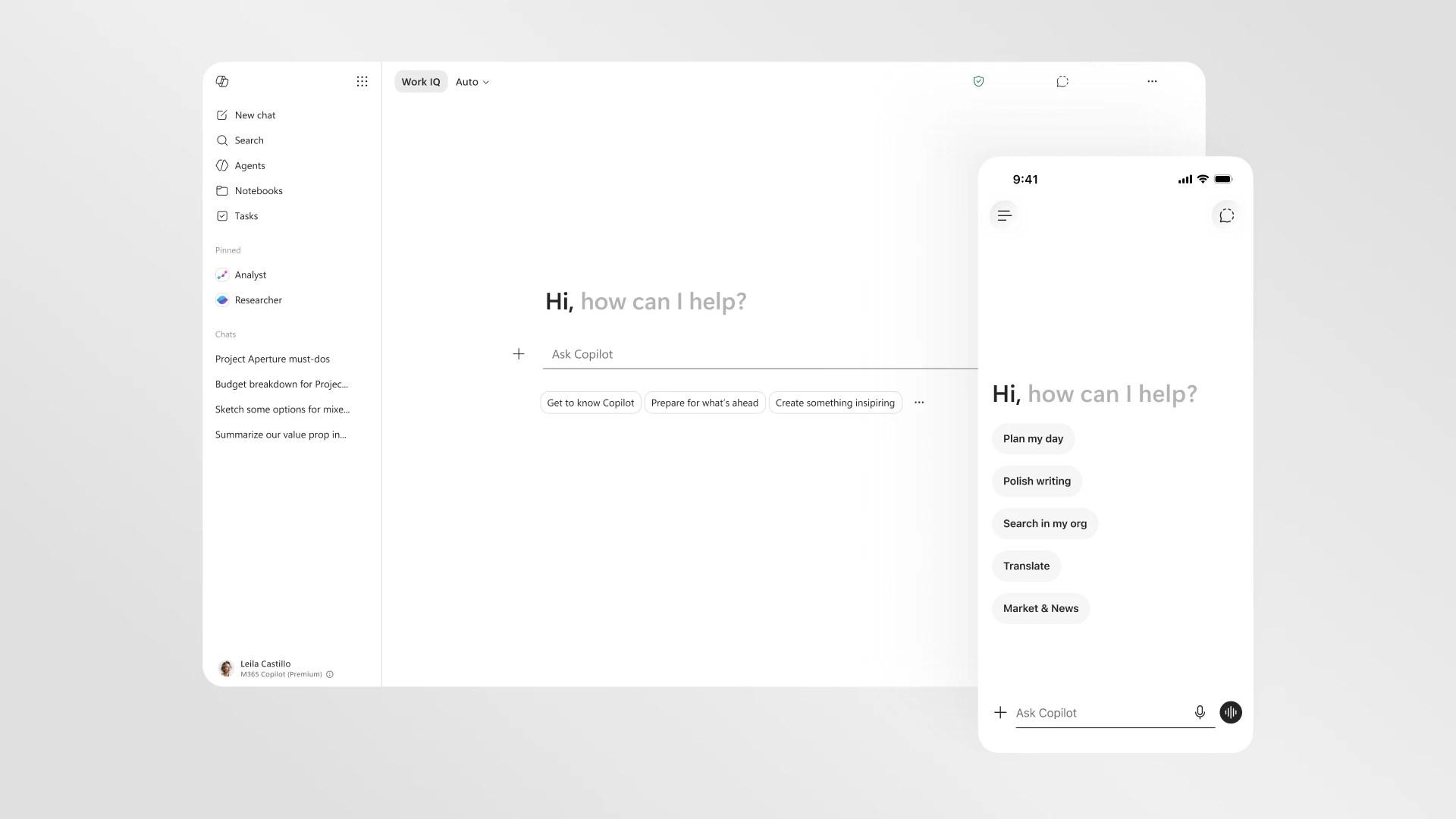
Microsoft 365 Copilot Redesign: 2x Speed Boost

Perplexity Bumblebee: AI Supply Chain Security Scanner

AWS OpenSearch Serverless Review: Enterprise Search Reimagined
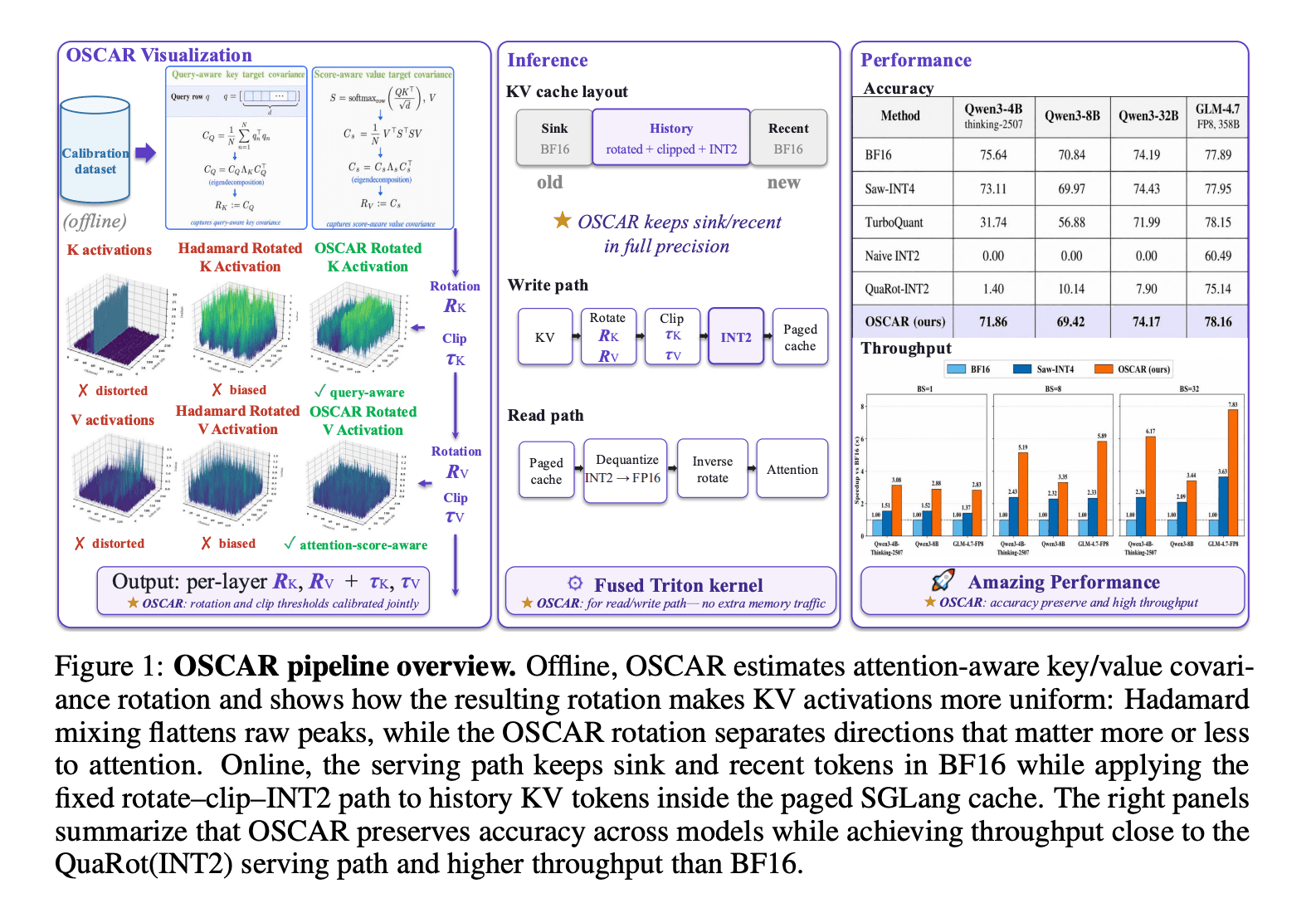
OSCAR: 2-Bit KV Cache Quantization for LLMs
You Might Like These Latest News
All AI NewsStay informed with the latest AI news, breakthroughs, trends, and updates shaping the future of artificial intelligence.
Microsoft Patches Zero-Day After Researcher Disclosure
Jun 10, 2026
NVIDIA GPUs Power Apple's Private Cloud Compute Expansion
Jun 10, 2026
GM Launches Vehicle-to-Grid Tech to Power AI Data Centers
Jun 10, 2026
Alphabet's $85B AI Investment Signals Major Shift
Jun 5, 2026
AI Cognitive Fatigue: Work Smarter, Not Harder
Jun 5, 2026
Nvidia Unveils Physical AI Research with Cosmos 3
Jun 5, 2026
Airbnb CEO Launches AI Lab to Build Custom LLMs
Jun 5, 2026
Anthropic's IPO Filing Balances Growth With Responsible AI
Jun 3, 2026
Meta's AI Chatbot Exploited to Hijack Instagram Accounts
Jun 3, 2026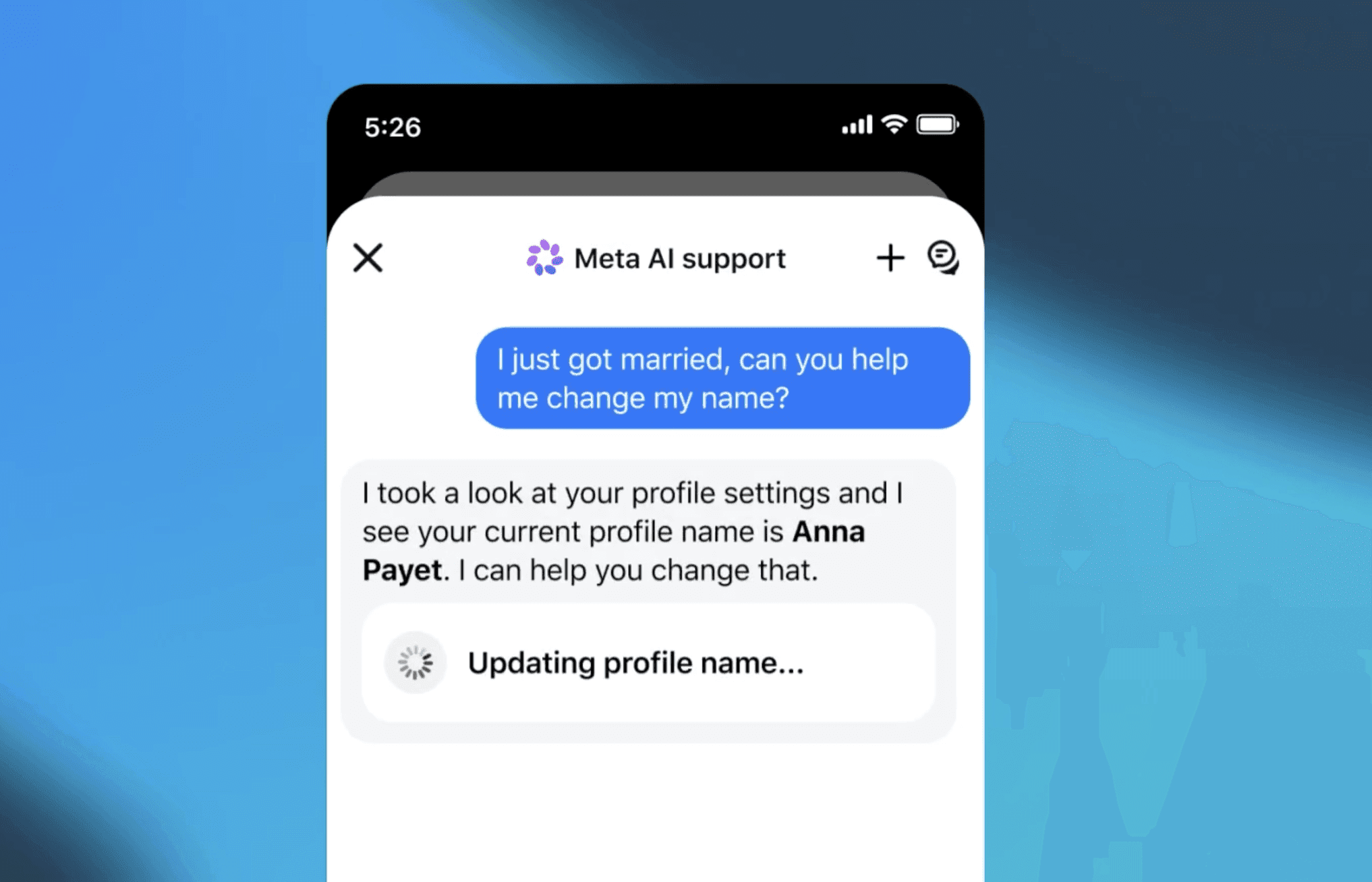

Discover the top AI tools handpicked daily by our editors to help you stay ahead with the latest and most innovative solutions.