Join Our Community










Get the earliest access to hand-picked content weekly for free.
Spam-free guaranteed! Only insights.
Join Our Community
Get the earliest access to hand-picked content weekly for free.
Spam-free guaranteed! Only insights.

🎯 Quick Impact Summary
• Autodesk has launched an innovative AI-powered design assistant called Autodesk Forma, which promises to streamline workflows for designers across various disciplines.
• The new tool integrates generative AI capabilities that can help automate repetitive tasks, generate design alternatives, and provide intelligent suggestions based on project parameters.
• Forma is designed to work seamlessly with Autodesk's existing suite of products, creating a more unified ecosystem for design professionals.
• Early adopters report significant time savings and enhanced creative possibilities, with some users cutting certain workflow steps by up to 70%.
• The technology represents Autodesk's strategic shift toward AI-augmented design processes while maintaining human creativity at the center of the workflow.
Autodesk has unveiled a groundbreaking AI-powered design assistant that promises to revolutionize how designers, architects, and creators work across industries. The new tool, Autodesk Forma, leverages advanced artificial intelligence to automate tedious tasks, generate design alternatives, and provide intelligent suggestions that could dramatically improve productivity for professionals in various design disciplines.
This latest addition to Autodesk's suite of creative tools represents a significant leap forward in how AI can enhance rather than replace human creativity, offering a glimpse into the future of design where technology and human ingenuity work in perfect harmony.
Autodesk Forma integrates seamlessly with the company's existing software ecosystem, including industry standards like AutoCAD, Revit, and 3ds Max. The AI assistant functions as an intelligent collaborator that understands design intent and can suggest improvements or alternatives based on specified parameters.
One of the most impressive features is the tool's ability to learn from user behavior and adapt to individual working styles. As designers interact with the system, the AI becomes more attuned to their preferences, gradually becoming a more effective assistant that anticipates needs and offers relevant suggestions.
"We've developed this technology to enhance human creativity, not replace it," said an Autodesk representative. "Our goal is to eliminate the tedious aspects of design work so professionals can focus on the creative decisions that truly require human judgment and aesthetic sensibility."
The system can automatically generate multiple design variations based on initial concepts, allowing designers to explore possibilities they might not have considered otherwise. It can also handle routine tasks like dimensioning, material specification, and even basic structural analysis, freeing up valuable time for higher-level creative thinking.
Autodesk's new AI assistant offers specialized functionality for different design disciplines, making it valuable across multiple industries. For architects, the tool can analyze building sites and suggest optimal placement and orientation based on environmental factors like sun exposure and wind patterns.
Industrial designers can benefit from the AI's ability to suggest manufacturing-friendly modifications to product designs, potentially saving significant time and resources during production. The system can identify potential manufacturing challenges early in the design process and recommend alternatives that maintain design intent while improving manufacturability.
Graphic designers and visual artists aren't left out either. The AI can generate color palettes, suggest layout improvements, and even help with typography selection based on project requirements and current design trends. It can analyze visual hierarchy and recommend adjustments to improve communication effectiveness.
Early adopters report significant productivity gains, with some users claiming to have reduced certain workflow steps by as much as 70%. A beta tester from an architectural firm noted, "What used to take us days now takes hours. The AI handles the repetitive tasks while we focus on the creative decisions that truly require our expertise."
Autodesk's investment in AI technology signals a broader shift in how design tools are evolving to meet the demands of modern creators. Rather than presenting AI as a replacement for human designers, Autodesk positions their new assistant as an enhancement that amplifies human creativity.
The company has emphasized their commitment to ethical AI development, noting that all training data for the system was properly licensed and that the tool was designed with privacy considerations in mind. User data is protected, and the system does not share proprietary design information across different clients or projects.
Looking ahead, Autodesk plans to continue refining the AI assistant based on user feedback and evolving technology. Future updates may include more specialized tools for niche design disciplines and deeper integration with fabrication and manufacturing processes.
The release of this tool comes at a time when many creative professionals are concerned about AI's impact on their careers. Autodesk's approach offers a more collaborative vision of human-AI interaction, where technology handles routine tasks while human creativity remains the driving force behind meaningful design.
Industry analysts suggest that design professionals who embrace these AI-enhanced tools may gain significant competitive advantages in efficiency and creative output, while those who resist may find themselves at a disadvantage as client expectations evolve to match new technological capabilities.
FAQ
AI Spotlights
Unleashing Today's trailblazer, this week's game-changers, and this month's legends in AI. Dive in and discover tools that matter.

Claude Fable 5 Review: Mythos Power with Safety
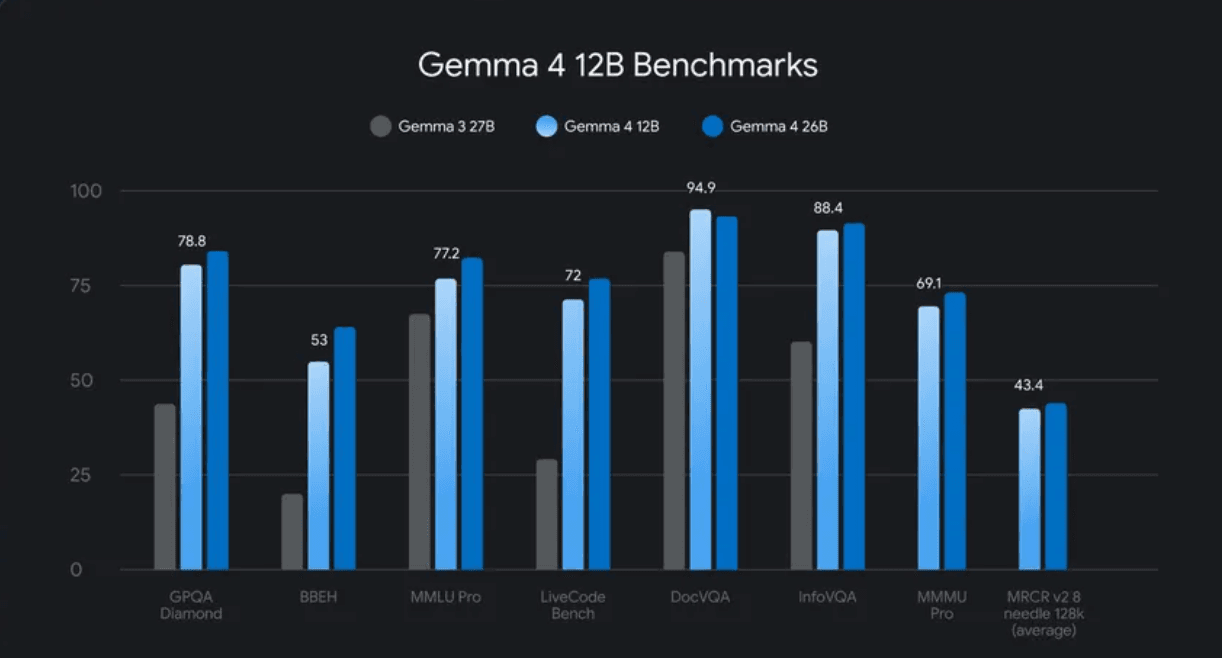
Gemma 4 12B Review: Multimodal AI on Your Laptop
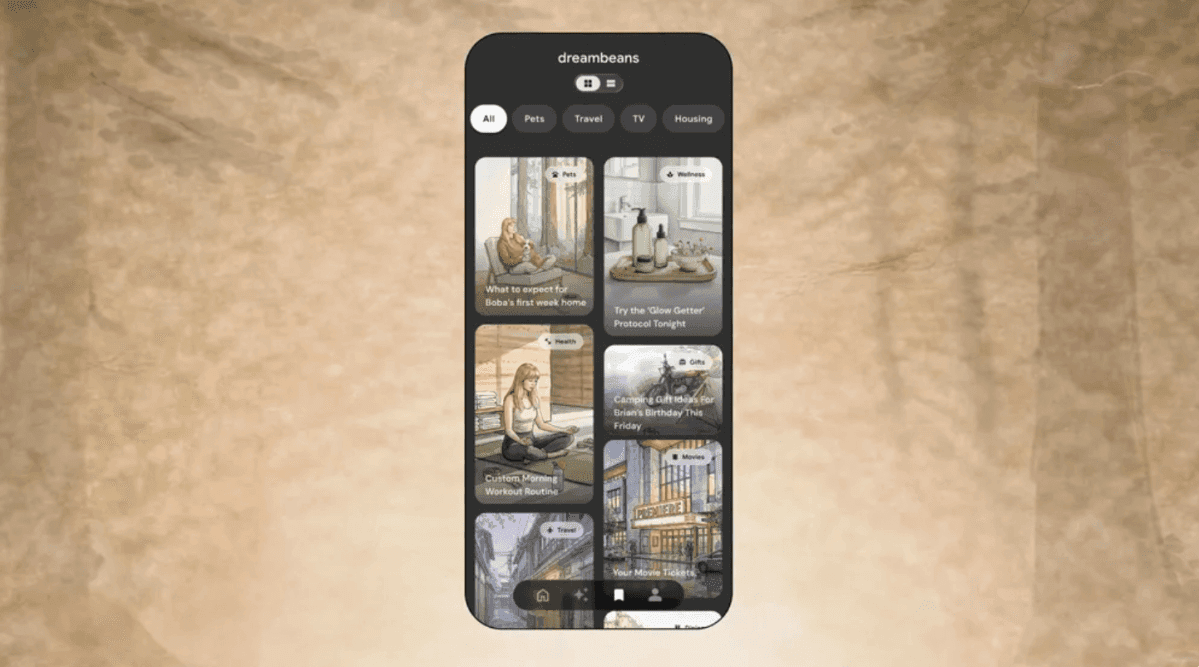
Google Dreambeans Review: AI Cartoon Stories
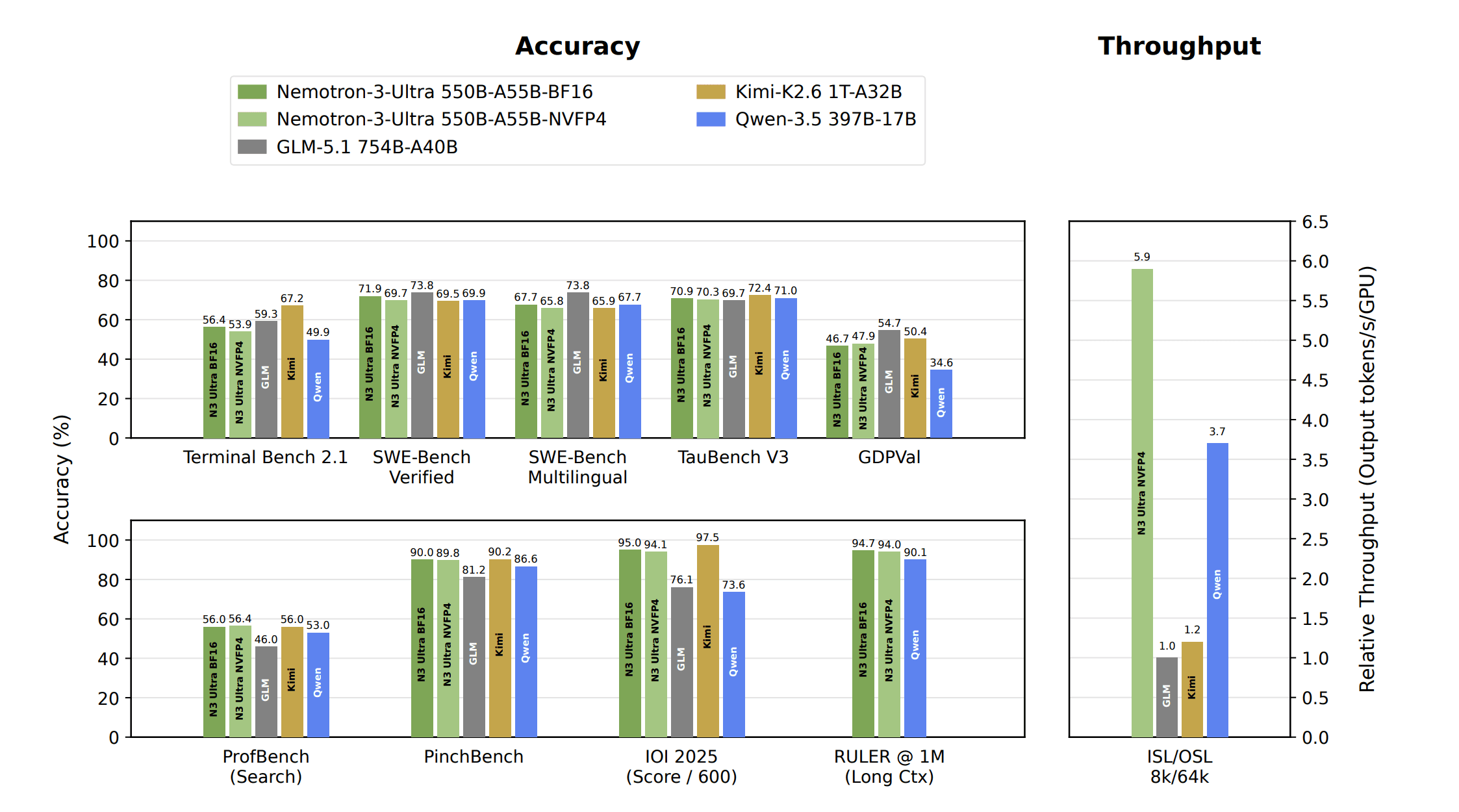
NVIDIA Nemotron 3 Ultra: 550B MoE LLM Review

Meta AI Agent for Enterprises: Global Launch

Gemini Omni and 3.5: Google's Latest AI Models

Step 3.7 Flash Review: 198B MoE Vision-Language Model

Gemini Spark Review: Google's AI Agent Goes Personal
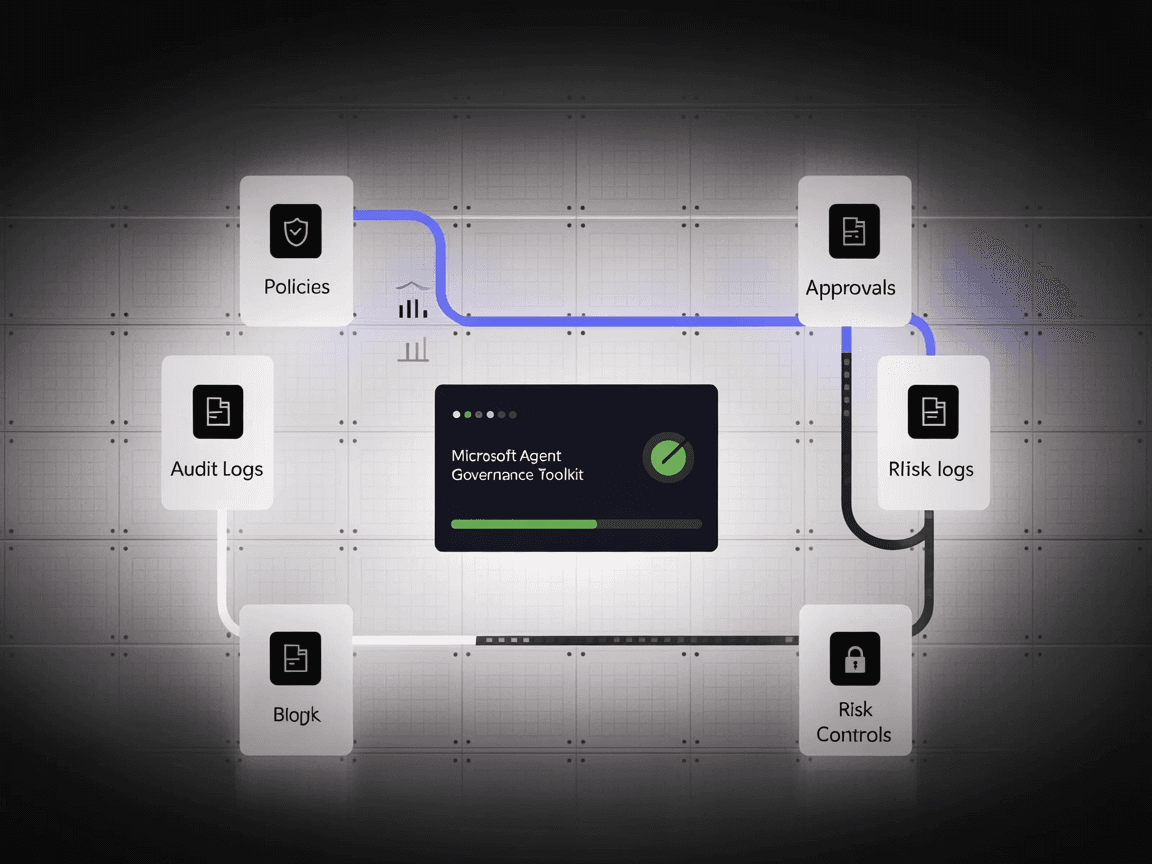
Microsoft Agent Governance Toolkit Review
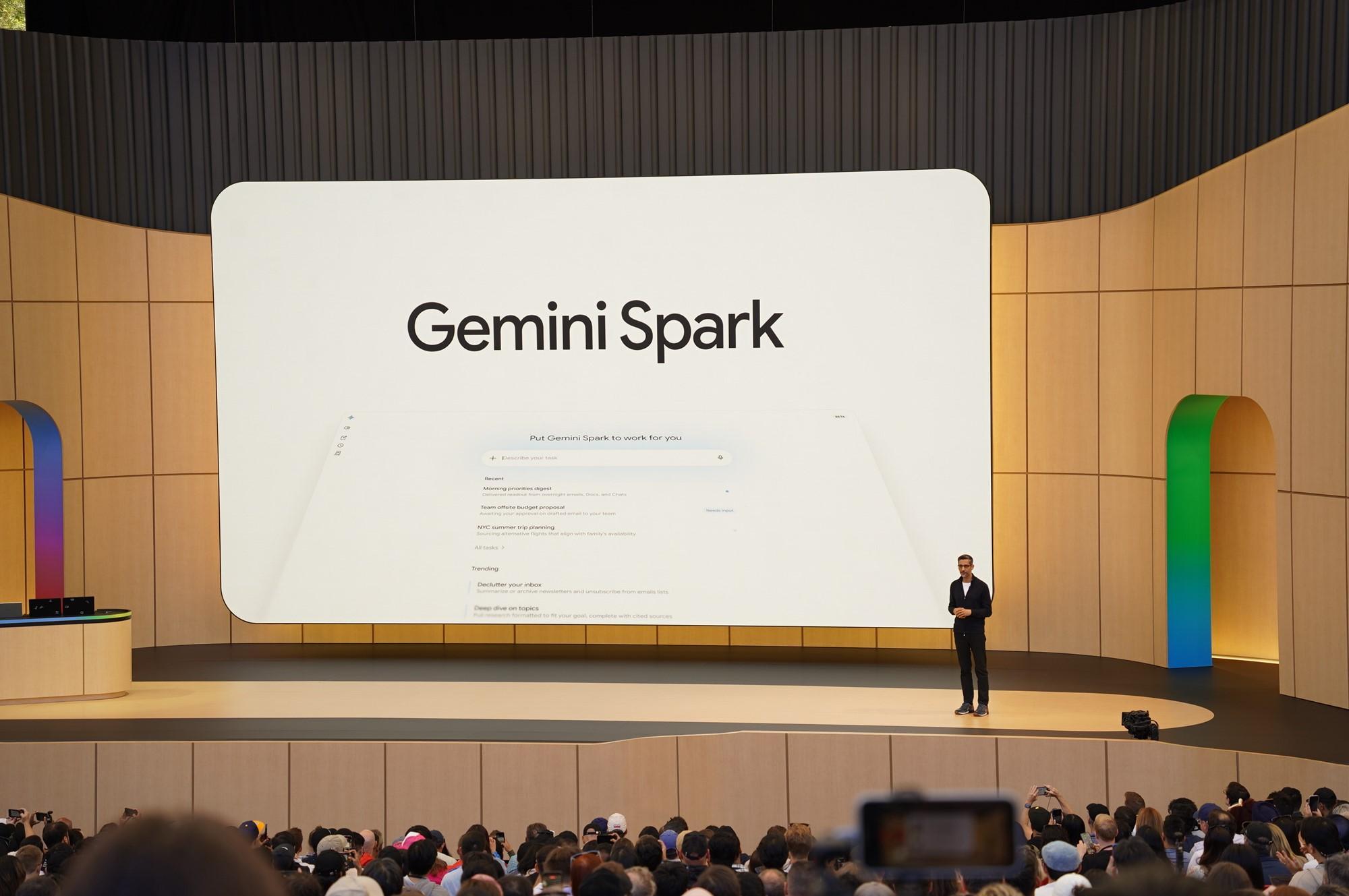
Gemini Spark AI Agent Review: Always-On Automation

MAI-Thinking-1 Review: Microsoft's Advanced Reasoning AI
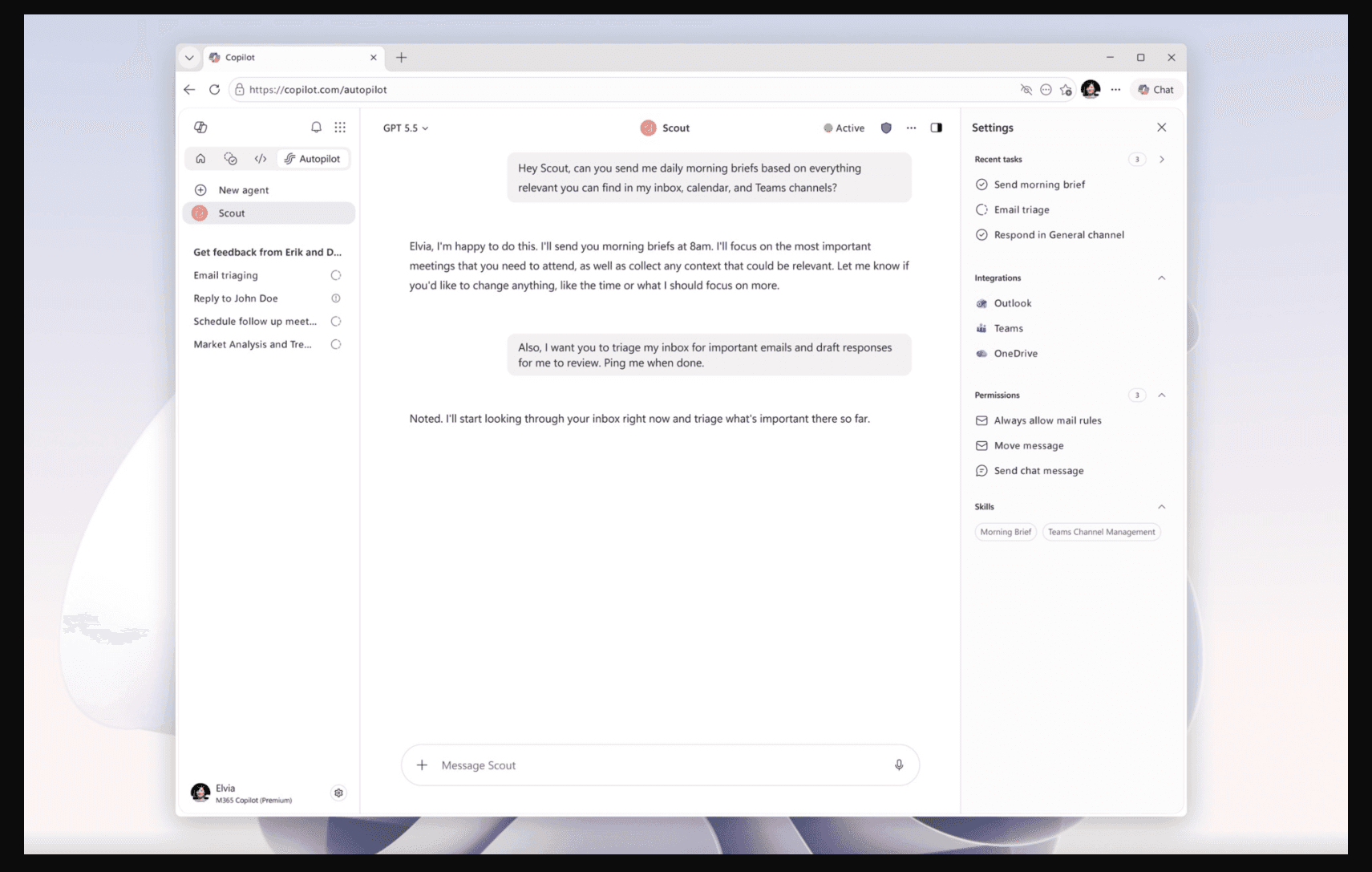
Microsoft Scout Review: OpenClaw-Powered AI Assistant

Microsoft MDASH Review: 100+ AI Agents for Threat Hunting

Google Phone App Fake Call Detection Review
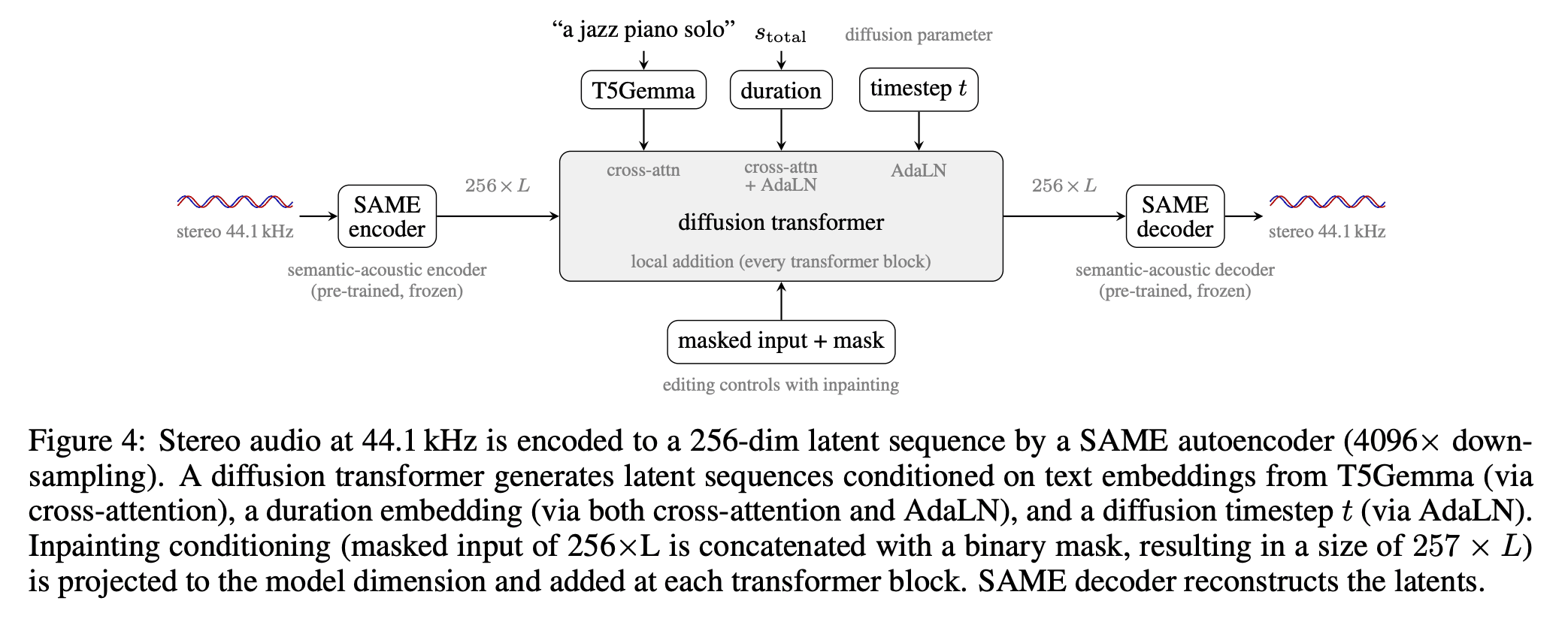
Stable Audio 3 Review: Fast AI Audio Generation
Claude Opus 4.8: Dynamic Workflows & Faster AI
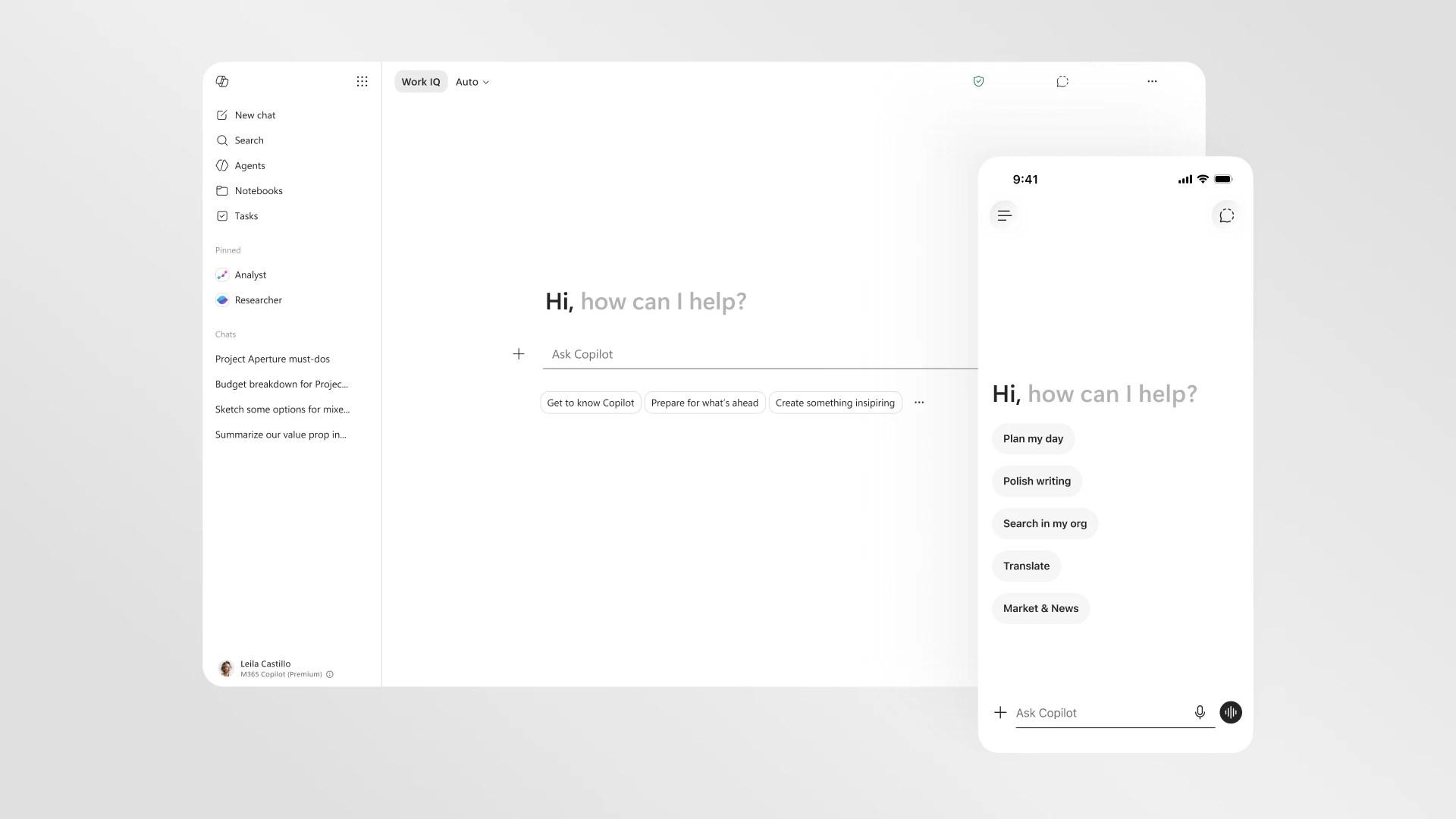
Microsoft 365 Copilot Redesign: 2x Speed Boost

Perplexity Bumblebee: AI Supply Chain Security Scanner

AWS OpenSearch Serverless Review: Enterprise Search Reimagined
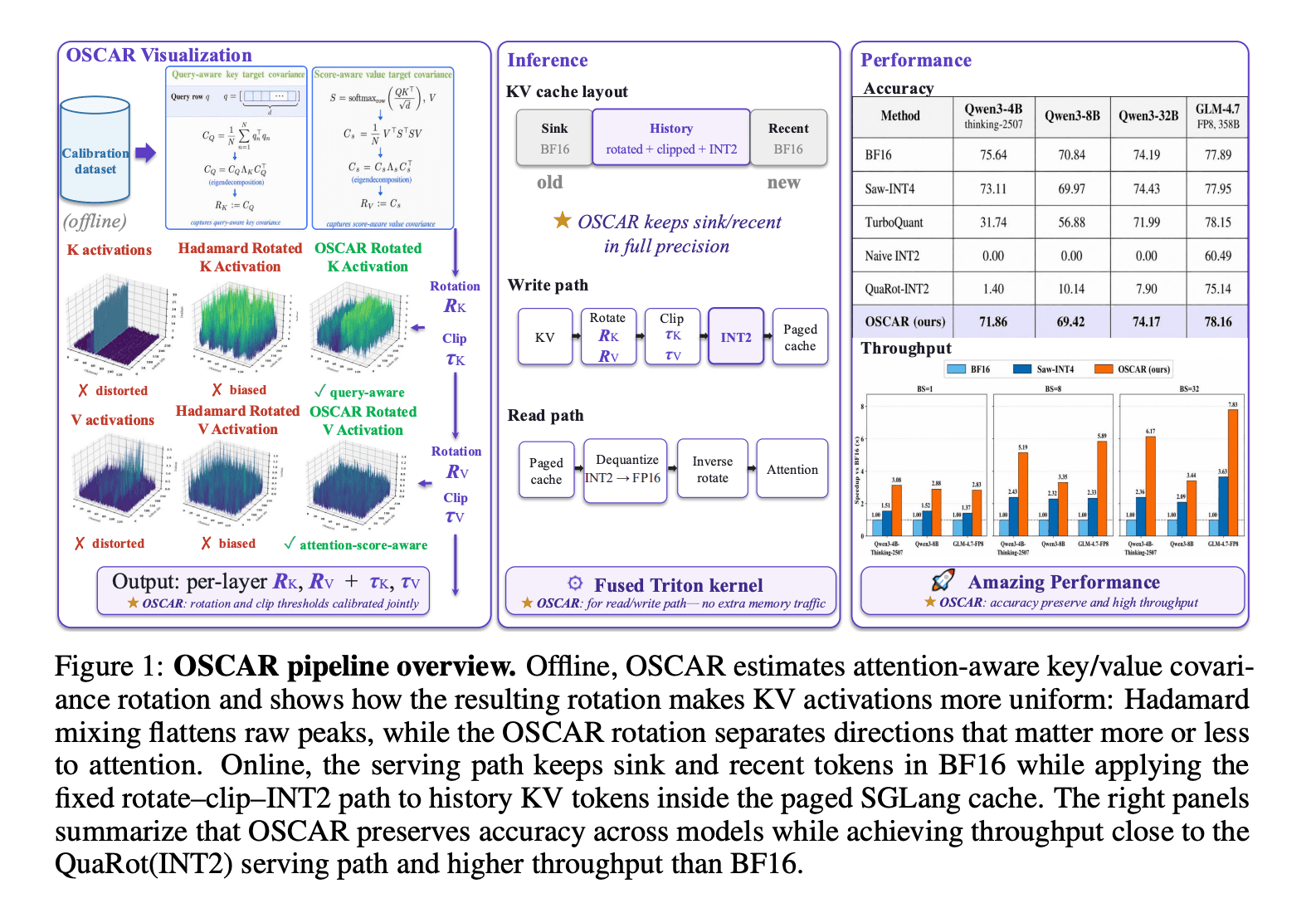
OSCAR: 2-Bit KV Cache Quantization for LLMs
You Might Like These Latest News
All AI NewsStay informed with the latest AI news, breakthroughs, trends, and updates shaping the future of artificial intelligence.
Microsoft Patches Zero-Day After Researcher Disclosure
Jun 10, 2026
NVIDIA GPUs Power Apple's Private Cloud Compute Expansion
Jun 10, 2026
GM Launches Vehicle-to-Grid Tech to Power AI Data Centers
Jun 10, 2026
Alphabet's $85B AI Investment Signals Major Shift
Jun 5, 2026
AI Cognitive Fatigue: Work Smarter, Not Harder
Jun 5, 2026
Nvidia Unveils Physical AI Research with Cosmos 3
Jun 5, 2026
Airbnb CEO Launches AI Lab to Build Custom LLMs
Jun 5, 2026
Anthropic's IPO Filing Balances Growth With Responsible AI
Jun 3, 2026
Meta's AI Chatbot Exploited to Hijack Instagram Accounts
Jun 3, 2026

Discover the top AI tools handpicked daily by our editors to help you stay ahead with the latest and most innovative solutions.