
Join Our Community










Get the earliest access to hand-picked content weekly for free.
Spam-free guaranteed! Only insights.
Join Our Community
Get the earliest access to hand-picked content weekly for free.
Spam-free guaranteed! Only insights.

Artificial intelligence is rapidly changing the landscape of software development, promising to boost productivity and accelerate innovation. However, a growing debate questions whether these AI coding tools, like GitHub Copilot and others, are living up to the hype. Are they truly helping developers, or are they introducing new complexities and, surprisingly, *slowing* them down? This article dives deep into the arguments, examining the potential pitfalls of over-reliance on AI in coding, and what developers need to know to maximize the benefits while minimizing the drawbacks.
The initial excitement surrounding AI coding assistants was understandable. Tools like GitHub Copilot, powered by OpenAI's Codex, offered the ability to auto-complete lines of code, suggest entire functions, and even generate code from natural language prompts. The potential benefits were clear: reduced boilerplate, faster prototyping, and the ability for developers to focus on higher-level problem-solving. This resonated particularly well with the desire to address the developer shortage and accelerate digital transformation initiatives. Many developers initially reported significant time savings on repetitive tasks, allowing them to concentrate on more challenging aspects of their projects. The promise was a future where coding became more accessible and efficient, leading to faster development cycles and more innovative software.
However, as developers have spent more time with these tools, a more nuanced picture has emerged. One major concern is the increased cognitive load. Instead of simply writing code, developers now find themselves constantly reviewing and vetting AI-generated suggestions. This requires a significant amount of mental effort, particularly when dealing with complex codebases or unfamiliar languages. You're not just accepting the code; you're actively questioning its correctness, security implications, and alignment with the overall project architecture. A developer quoted in the source article describes it as "death by a thousand cuts," where constantly evaluating small suggestions adds up to a significant time drain.
Furthermore, the quality of AI-generated code isn’t always consistent. While often helpful for simple tasks, these tools can struggle with more complex problems, leading to buggy or inefficient code. Developers may spend more time debugging and refactoring AI-generated code than they would have writing it from scratch. This is compounded by the fact that AI models are trained on existing code, which may contain vulnerabilities or suboptimal patterns. Accepting these suggestions blindly can introduce technical debt and security risks into a project. The article highlights the need for careful scrutiny and a deep understanding of the underlying code, even when using AI assistance. It's not about replacing developers, but augmenting them, and that augmentation requires careful management.
So, how can developers leverage the power of AI coding tools without falling into the productivity trap? The key lies in strategic integration and a mindful approach. First, it’s crucial to understand the limitations of these tools. They excel at automating repetitive tasks and suggesting common patterns, but they are not a substitute for critical thinking and problem-solving skills.
Secondly, developers should focus on using AI tools to *augment* their workflow, not to *replace* it. Instead of relying on AI to generate entire functions, use it to automate specific tasks, such as writing unit tests or generating documentation. This allows developers to maintain control over the codebase and ensure its quality.
Finally, continuous learning is essential. As AI models evolve, developers need to stay up-to-date on the latest capabilities and limitations of these tools. Understanding how the AI works—its strengths and weaknesses—is vital for making informed decisions about when and how to use it. A great resource for staying informed about these advancements is the AI Index Report from Stanford University: [https://aiindex.stanford.edu/](https://aiindex.stanford.edu/).
The rise of AI coding tools presents both opportunities and challenges for software developers. While the initial promise of increased productivity is alluring, the reality is more complex. Over-reliance on these tools can lead to increased cognitive load, code quality issues, and ultimately, slower development cycles. The most effective approach is to embrace AI as a powerful assistant, using it strategically to augment existing workflows and focusing on continuous learning to stay ahead of the curve. The future of coding isn't about humans versus AI, but about humans *with* AI, working together to build better software.
FAQ
AI Spotlights
Unleashing Today's trailblazer, this week's game-changers, and this month's legends in AI. Dive in and discover tools that matter.

Claude Fable 5 Review: Mythos Power with Safety
Gemma 4 12B Review: Multimodal AI on Your Laptop

Google Dreambeans Review: AI Cartoon Stories
NVIDIA Nemotron 3 Ultra: 550B MoE LLM Review

Meta AI Agent for Enterprises: Global Launch

Gemini Omni and 3.5: Google's Latest AI Models

Step 3.7 Flash Review: 198B MoE Vision-Language Model

Gemini Spark Review: Google's AI Agent Goes Personal
Microsoft Agent Governance Toolkit Review
Gemini Spark AI Agent Review: Always-On Automation

MAI-Thinking-1 Review: Microsoft's Advanced Reasoning AI
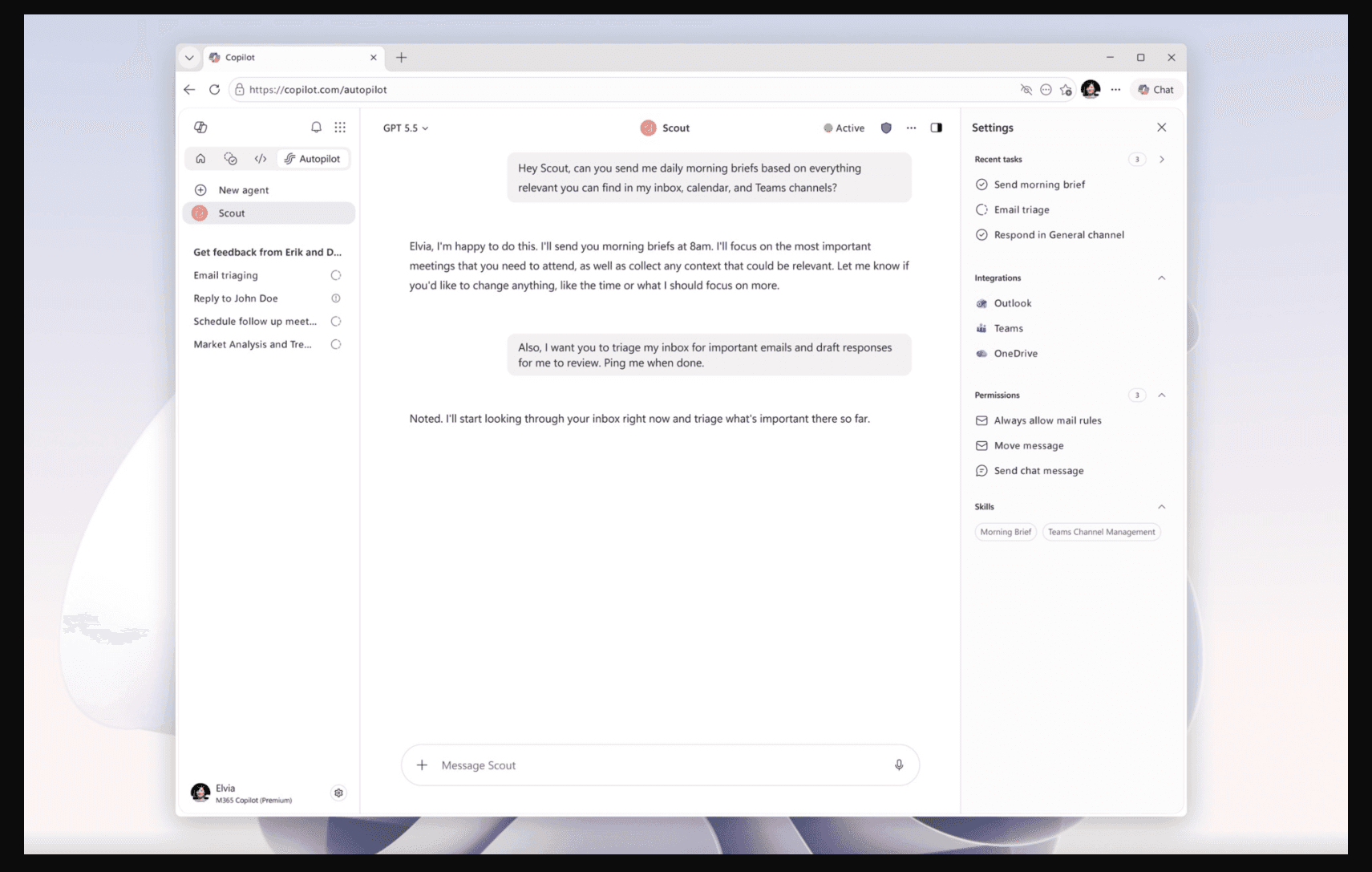
Microsoft Scout Review: OpenClaw-Powered AI Assistant

Microsoft MDASH Review: 100+ AI Agents for Threat Hunting

Google Phone App Fake Call Detection Review
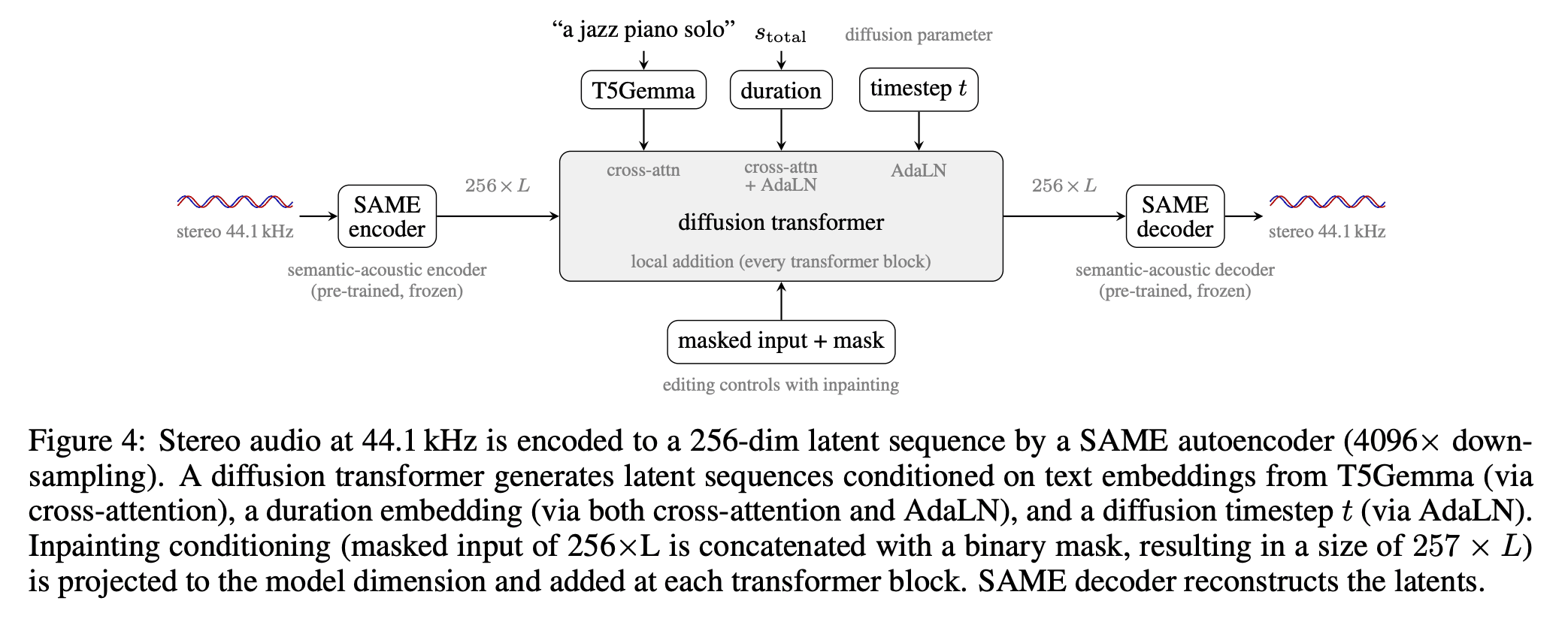
Stable Audio 3 Review: Fast AI Audio Generation

Claude Opus 4.8: Dynamic Workflows & Faster AI

Microsoft 365 Copilot Redesign: 2x Speed Boost

Perplexity Bumblebee: AI Supply Chain Security Scanner

AWS OpenSearch Serverless Review: Enterprise Search Reimagined
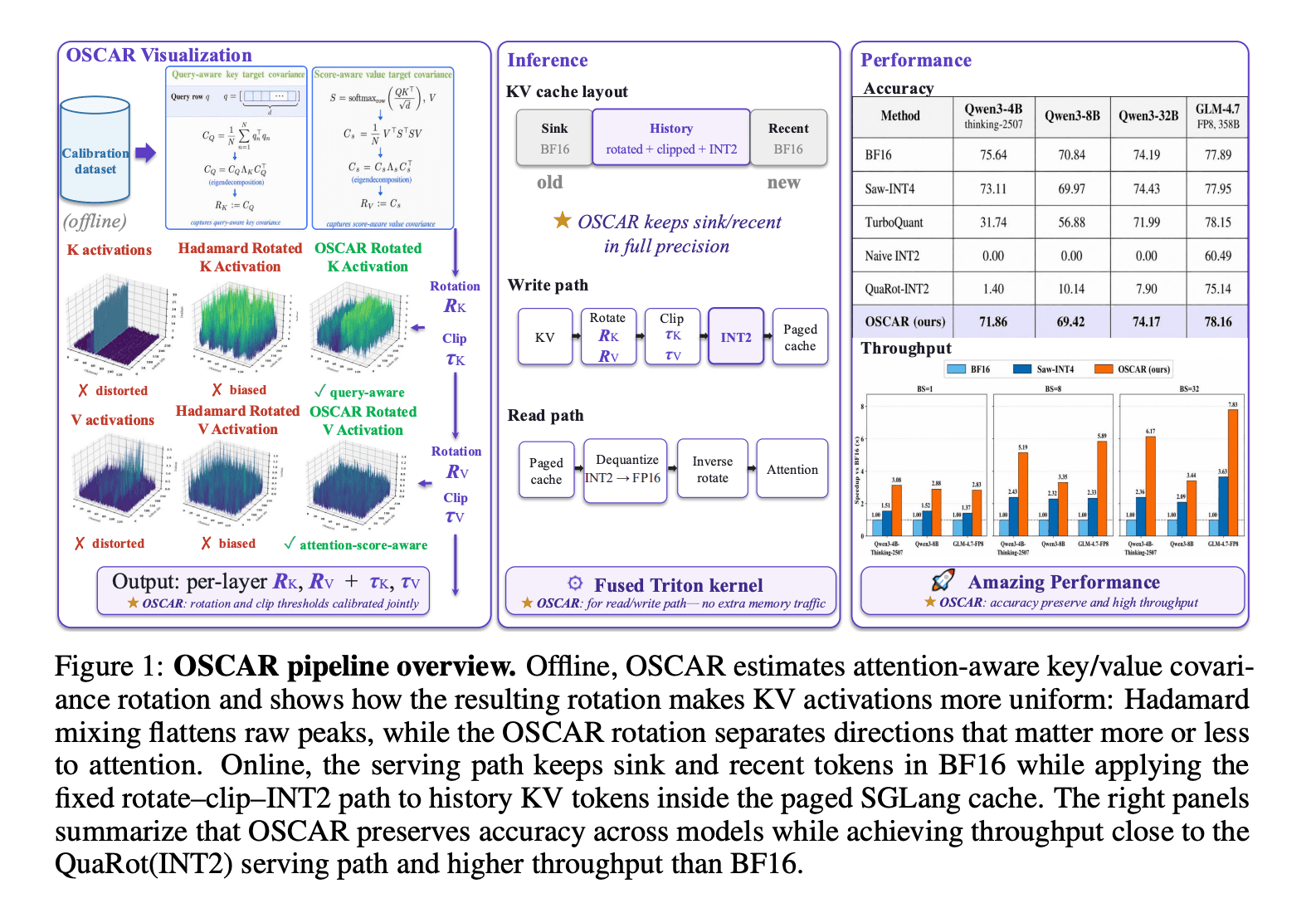
OSCAR: 2-Bit KV Cache Quantization for LLMs
You Might Like These Latest News
All AI NewsStay informed with the latest AI news, breakthroughs, trends, and updates shaping the future of artificial intelligence.
Microsoft Patches Zero-Day After Researcher Disclosure
Jun 10, 2026
NVIDIA GPUs Power Apple's Private Cloud Compute Expansion
Jun 10, 2026
GM Launches Vehicle-to-Grid Tech to Power AI Data Centers
Jun 10, 2026
Alphabet's $85B AI Investment Signals Major Shift
Jun 5, 2026
AI Cognitive Fatigue: Work Smarter, Not Harder
Jun 5, 2026
Nvidia Unveils Physical AI Research with Cosmos 3
Jun 5, 2026
Airbnb CEO Launches AI Lab to Build Custom LLMs
Jun 5, 2026
Anthropic's IPO Filing Balances Growth With Responsible AI
Jun 3, 2026
Meta's AI Chatbot Exploited to Hijack Instagram Accounts
Jun 3, 2026

Discover the top AI tools handpicked daily by our editors to help you stay ahead with the latest and most innovative solutions.