Join Our Community










Get the earliest access to hand-picked content weekly for free.
Spam-free guaranteed! Only insights.
Join Our Community
Get the earliest access to hand-picked content weekly for free.
Spam-free guaranteed! Only insights.

🎯 Quick Impact Summary
Enterprise AI agent platforms represent the next evolution beyond traditional chatbots and copilots, enabling autonomous AI systems to execute complex workflows across multiple enterprise applications. These platforms are designed for large organizations like Intuit, Uber, and State Farm that need to automate multi-step business processes while maintaining security, compliance, and human oversight. The key benefits include reduced manual work, faster process execution, and the ability to integrate AI into existing enterprise systems without major infrastructure changes.
Modern enterprise AI agents offer several core capabilities that distinguish them from basic AI assistants. Multi-step workflow execution allows agents to complete entire business processes—like processing insurance claims or handling customer escalations—without human intervention. Enterprise system integration enables agents to connect with existing CRM, ERP, and productivity tools through APIs and connectors. Human-in-the-loop controls provide approval gates for critical decisions, ensuring compliance and risk management. Context retention allows agents to maintain conversation history and task state across multiple interactions, making them suitable for long-running processes.
These platforms typically include observability dashboards that track agent performance, decision logs, and cost metrics. Security features like role-based access control, data encryption, and audit trails are standard for enterprise deployments. Customization options allow businesses to define specific agent behaviors, knowledge bases, and decision rules tailored to their industry.
Enterprise AI agent platforms are built on large language models (LLMs) but add crucial orchestration layers. The architecture typically includes:
1. Orchestration Engine: Coordinates multiple AI models and tools to complete complex tasks 2. Memory Systems: Short-term and long-term memory for context and knowledge retention 3. Tool Integration Layer: Connects to enterprise APIs, databases, and external services 4. Safety & Compliance Module: Enforces policies, monitors outputs, and provides audit trails 5. Human Interface Layer: Allows human operators to monitor, intervene, and provide feedback
The technology stack often combines proprietary LLMs with open-source models, using techniques like retrieval-augmented generation (RAG) to ground agents in company-specific data. Agentic frameworks like LangChain or CrewAI provide the underlying structure, while enterprise platforms add security, scalability, and management features.
Intuit uses AI agents to automate customer support workflows, where agents can access customer account data, analyze transaction history, and resolve complex tax or accounting issues while escalating only the most sensitive cases to human agents.
Uber employs AI agents for driver support and marketplace operations, automating the resolution of common driver issues, managing dynamic pricing adjustments, and coordinating logistics across its global network.
State Farm trials AI agents for insurance claims processing, where agents can review documentation, assess damage photos, calculate settlements, and communicate with policyholders—subject to human adjuster approval for large claims.
Other enterprise applications include HR onboarding (automating new hire setup across multiple systems), finance operations (processing invoices and expense reports), and IT service management (resolving tickets and managing infrastructure).
Pricing for enterprise AI agent platforms typically follows several models:
Most providers offer pilot programs or proof-of-concept engagements before full deployment. Open-source alternatives like LangChain provide free frameworks but require significant internal engineering resources to implement securely at enterprise scale.
Pros:
Cons:
Best suited for: Large enterprises (1000+ employees) with complex, repetitive workflows, mature IT infrastructure, and resources for implementation. Companies in regulated industries (finance, insurance, healthcare) benefit most from the compliance features. Organizations should have existing AI/ML teams or partner with implementation specialists.
FAQ
Related Topics
AI Spotlights
Unleashing Today's trailblazer, this week's game-changers, and this month's legends in AI. Dive in and discover tools that matter.

Claude Fable 5 Review: Mythos Power with Safety
Gemma 4 12B Review: Multimodal AI on Your Laptop

Google Dreambeans Review: AI Cartoon Stories
NVIDIA Nemotron 3 Ultra: 550B MoE LLM Review
Meta AI Agent for Enterprises: Global Launch

Gemini Omni and 3.5: Google's Latest AI Models

Step 3.7 Flash Review: 198B MoE Vision-Language Model

Gemini Spark Review: Google's AI Agent Goes Personal
Microsoft Agent Governance Toolkit Review
Gemini Spark AI Agent Review: Always-On Automation

MAI-Thinking-1 Review: Microsoft's Advanced Reasoning AI
Microsoft Scout Review: OpenClaw-Powered AI Assistant

Microsoft MDASH Review: 100+ AI Agents for Threat Hunting

Google Phone App Fake Call Detection Review
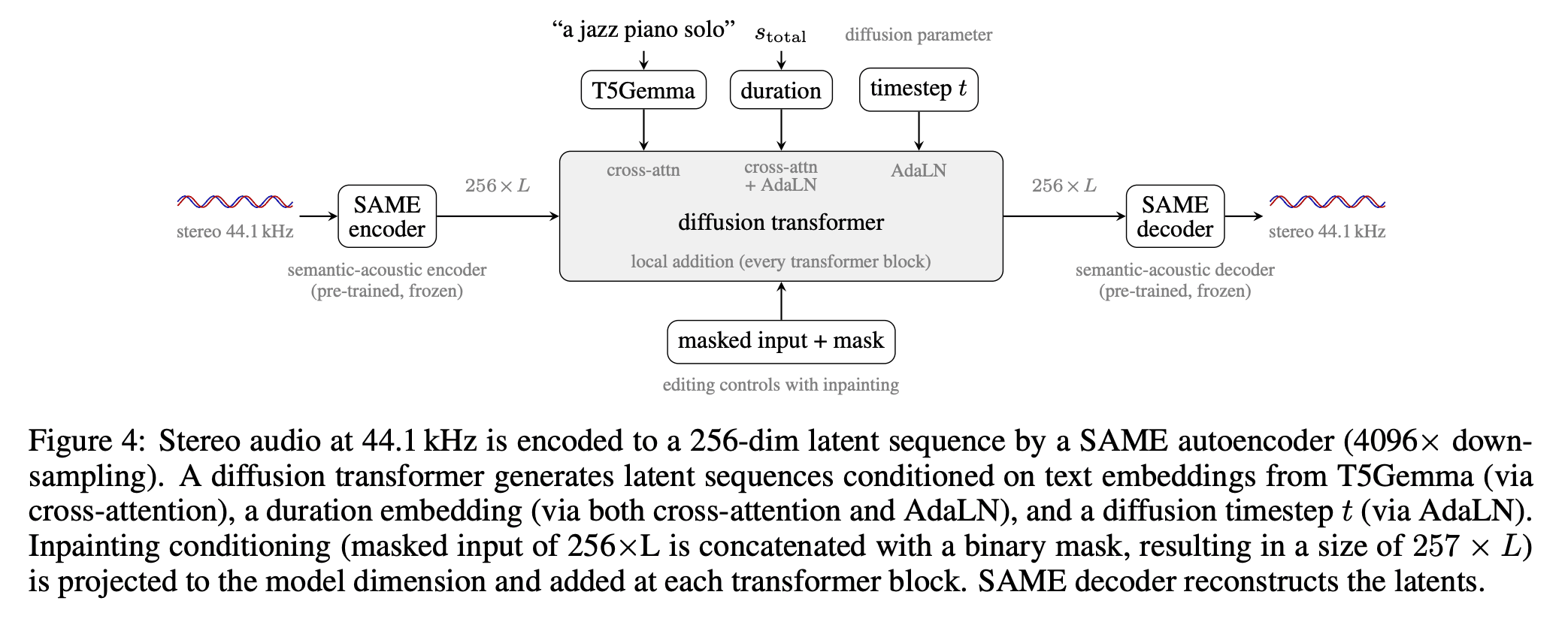
Stable Audio 3 Review: Fast AI Audio Generation

Claude Opus 4.8: Dynamic Workflows & Faster AI
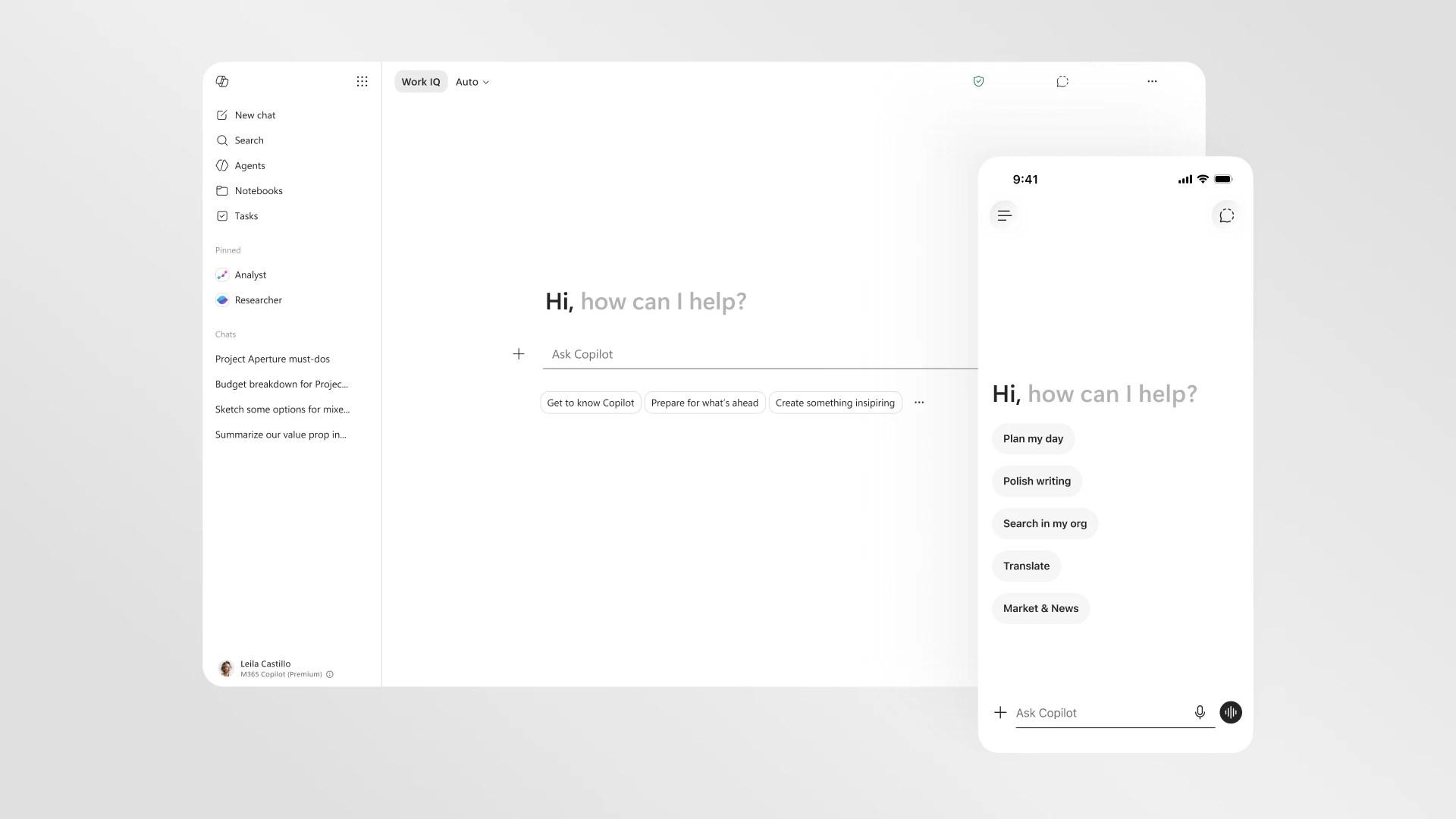
Microsoft 365 Copilot Redesign: 2x Speed Boost

Perplexity Bumblebee: AI Supply Chain Security Scanner

AWS OpenSearch Serverless Review: Enterprise Search Reimagined

OSCAR: 2-Bit KV Cache Quantization for LLMs
You Might Like These Latest News
All AI NewsStay informed with the latest AI news, breakthroughs, trends, and updates shaping the future of artificial intelligence.
Microsoft Patches Zero-Day After Researcher Disclosure
Jun 10, 2026
NVIDIA GPUs Power Apple's Private Cloud Compute Expansion
Jun 10, 2026
GM Launches Vehicle-to-Grid Tech to Power AI Data Centers
Jun 10, 2026
Alphabet's $85B AI Investment Signals Major Shift
Jun 5, 2026
AI Cognitive Fatigue: Work Smarter, Not Harder
Jun 5, 2026
Nvidia Unveils Physical AI Research with Cosmos 3
Jun 5, 2026
Airbnb CEO Launches AI Lab to Build Custom LLMs
Jun 5, 2026
Anthropic's IPO Filing Balances Growth With Responsible AI
Jun 3, 2026
Meta's AI Chatbot Exploited to Hijack Instagram Accounts
Jun 3, 2026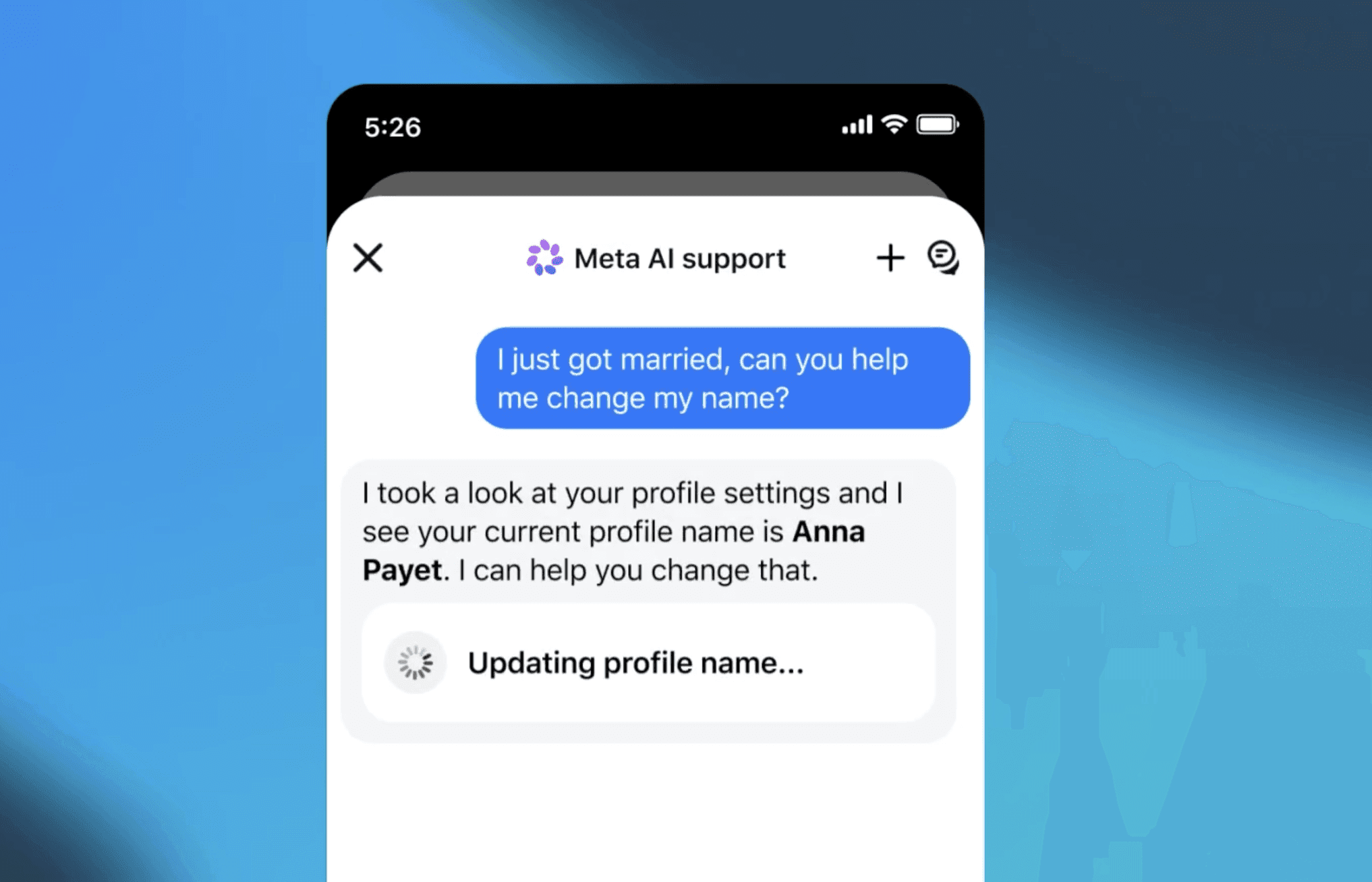

Discover the top AI tools handpicked daily by our editors to help you stay ahead with the latest and most innovative solutions.