Join Our Community










Get the earliest access to hand-picked content weekly for free.
Spam-free guaranteed! Only insights.
Join Our Community
Get the earliest access to hand-picked content weekly for free.
Spam-free guaranteed! Only insights.

🎯 Quick Impact Summary
In a significant move to address the growing challenge of technical debt in enterprise IT environments, MongoDB has unveiled a comprehensive AI-powered platform specifically designed to modernize legacy applications. This innovative solution aims to help organizations break free from outdated systems that hinder innovation and digital transformation efforts.
Technical debt continues to be a major obstacle for organizations across industries. Legacy applications, often built on outdated technologies and monolithic architectures, become increasingly difficult and expensive to maintain over time. According to industry research, companies spend approximately 70-80% of their IT budgets simply maintaining these aging systems, leaving minimal resources for innovation and growth initiatives.
MongoDB's new platform directly addresses this challenge by providing a systematic approach to modernization that reduces risk, accelerates timelines, and delivers tangible business value. By leveraging AI capabilities throughout the modernization process, the platform can identify complex dependencies, recommend optimal migration paths, and even assist with code transformation.
"Organizations are increasingly recognizing that their legacy applications are holding them back from achieving their digital transformation goals," said Mark Porter, CTO at MongoDB. "Our new platform provides a clear path forward, combining our proven database technology with specialized tools and AI capabilities to make modernization more accessible and successful."
The new platform integrates several powerful components to create a comprehensive modernization solution. At its core is MongoDB Atlas, the company's cloud database service, which provides the flexible, scalable foundation for modernized applications.
Key features of the platform include:
1. AI-Powered Assessment Tools: Automated analysis of existing applications to identify dependencies, potential risks, and optimal modernization strategies.
2. Intelligent Data Migration: Tools to seamlessly transfer data from legacy systems to MongoDB Atlas while preserving data integrity and relationships.
3. Code Transformation Assistance: AI capabilities that help developers refactor and optimize application code for modern architectures.
4. Continuous Validation: Automated testing frameworks to ensure functionality remains consistent throughout the modernization process.
5. Phased Implementation Support: Methodologies for incremental modernization that maintain business continuity.
The platform is designed to work with a variety of legacy systems, including mainframe applications, monolithic architectures, and applications built on outdated relational databases.
Early adopters of MongoDB's modernization platform have reported significant benefits. One financial services organization reportedly reduced their modernization timeline from an estimated three years to just nine months, while simultaneously improving application performance and reducing operational costs.
Industry analysts have responded positively to MongoDB's announcement, noting that the integration of AI capabilities throughout the modernization process represents a significant advancement over traditional approaches.
"Legacy modernization has traditionally been high-risk, expensive, and time-consuming," noted Jane Smith, Principal Analyst at a leading research firm. "MongoDB's approach of combining proven database technology with AI-assisted tools addresses many of the pain points that have prevented organizations from moving forward with modernization initiatives."
The platform is being positioned as particularly valuable for industries with significant technical debt, including financial services, insurance, healthcare, and government sectors. These industries often rely on mission-critical legacy applications that are decades old but cannot afford the risk of "rip and replace" approaches to modernization.
MongoDB has emphasized that successful modernization requires more than just technology. The company is offering professional services and partnerships with system integrators to help organizations develop comprehensive modernization strategies tailored to their specific needs.
The platform follows a phased implementation approach that allows organizations to modernize incrementally, reducing risk and allowing for course corrections along the way. This methodology includes:
1. Discovery and Assessment: Using AI-powered tools to analyze existing applications and data structures.
2. Strategy Development: Creating a tailored modernization roadmap based on business priorities and technical considerations.
3. Proof of Concept: Implementing small-scale modernization projects to validate approaches and demonstrate value.
4. Incremental Implementation: Modernizing applications in phases to maintain business continuity.
5. Optimization and Innovation: Leveraging the new platform capabilities to drive ongoing improvement and innovation.
Looking ahead, MongoDB has indicated plans to continue enhancing the platform with additional AI capabilities, expanded integration options, and support for more specialized modernization scenarios. The company is also developing industry-specific templates and accelerators to further streamline the modernization process for organizations in sectors like financial services, healthcare, and retail.
As organizations continue to prioritize digital transformation initiatives, MongoDB's AI-powered modernization platform represents a significant advancement in helping them overcome the technical debt that often stands in the way of innovation. By combining proven database technology with cutting-edge AI capabilities, the platform offers a promising path forward for organizations looking to break free from the constraints of legacy systems.
FAQ
AI Spotlights
Unleashing Today's trailblazer, this week's game-changers, and this month's legends in AI. Dive in and discover tools that matter.

Google Gemini Mac App Review: AI Assistant
TinyFish AI Platform Review: Web Infrastructure for AI Agents

Google Home Gemini Update: Fixes Interruptions
OpenAI Agents SDK Update: Enterprise Safety & Capability
IBM Autonomous Security Service Review
GPT-Rosalind Review: OpenAI's Life Sciences AI

Claude Opus 4.7 Review: Enterprise AI Without Hallucinations
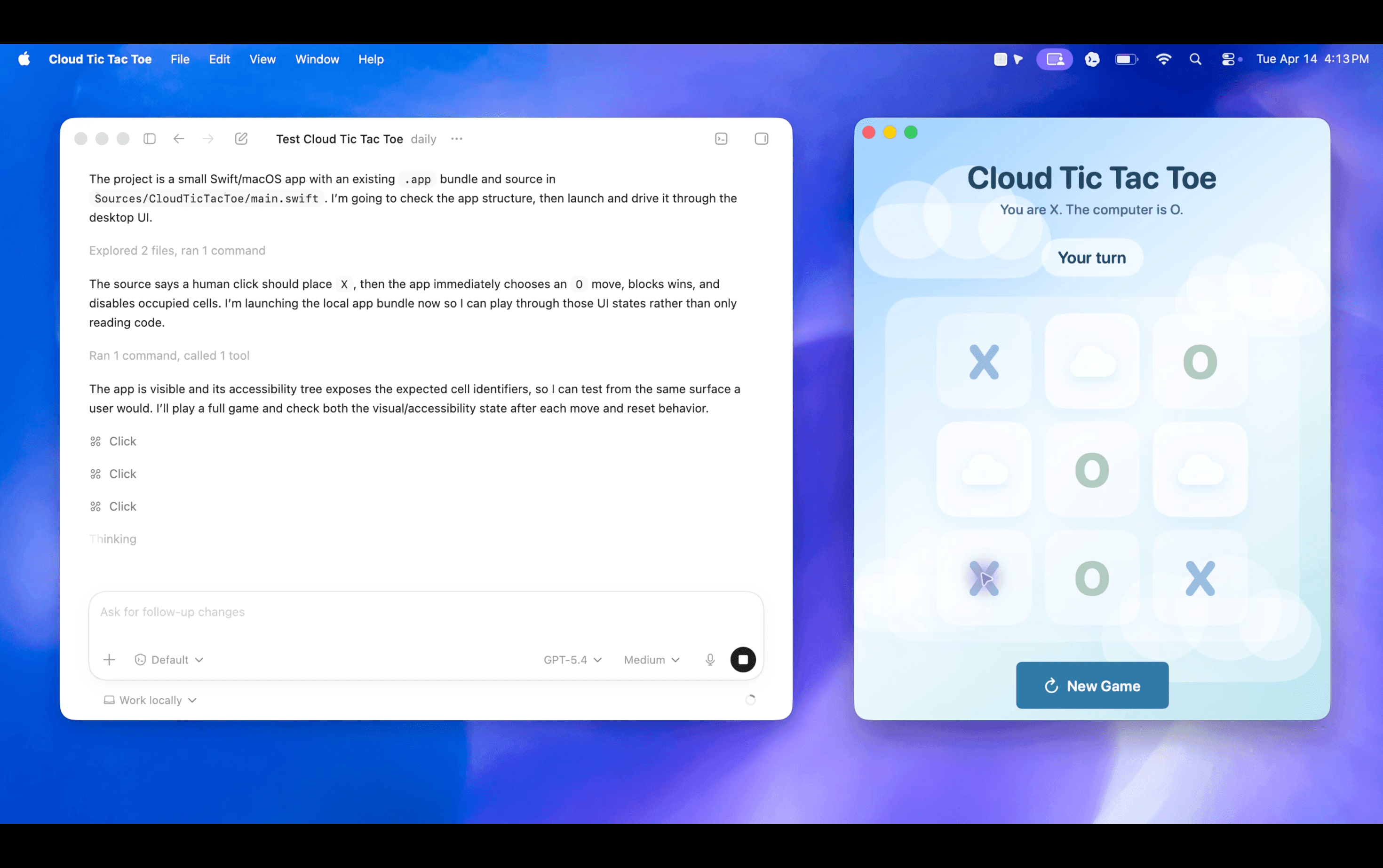
OpenAI Codex Update: Desktop Control & Image Generation
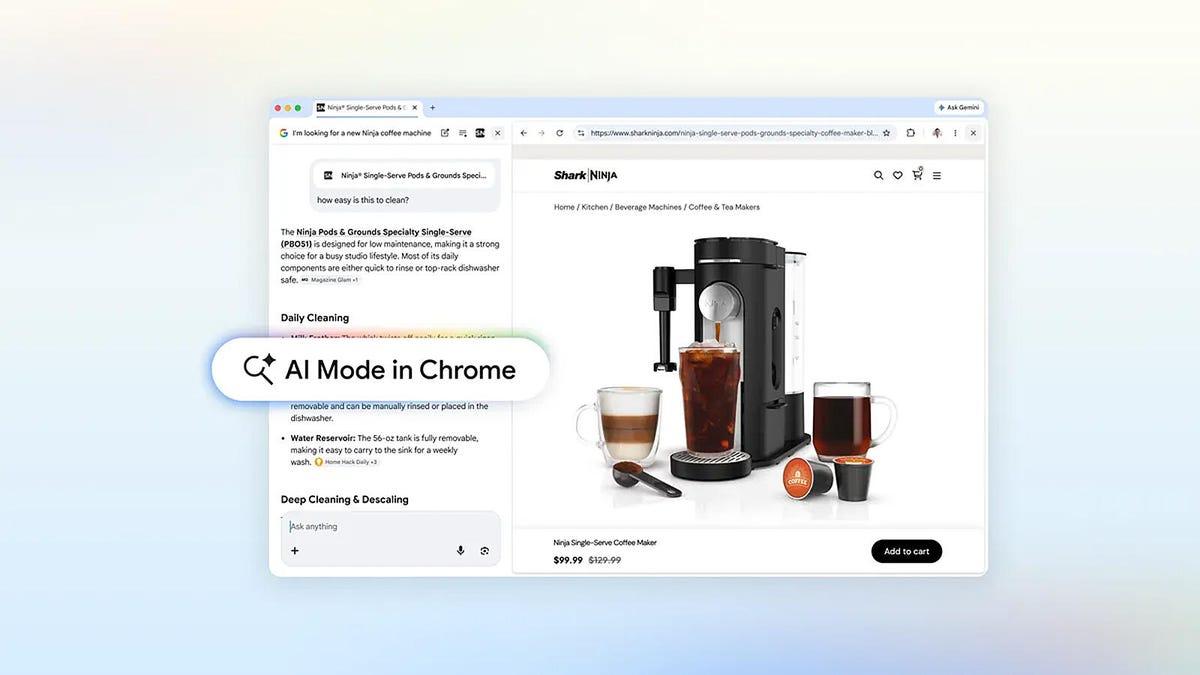
Google AI Mode Review: Side-by-Side Search
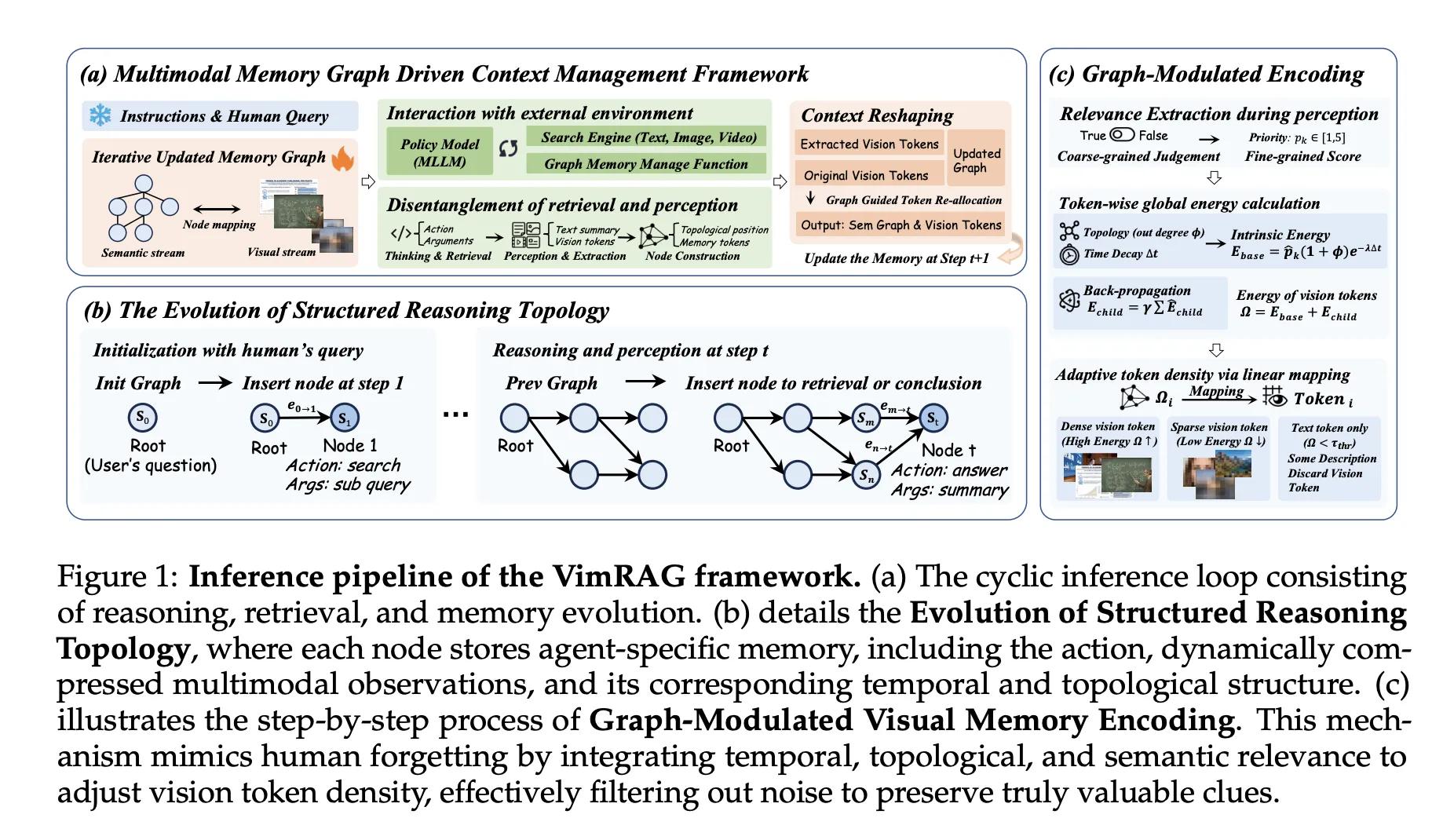
VimRAG Review: Alibaba's Multimodal RAG Framework

ChatGPT Pro $100/Month: New Tier Review

Google Gemini 3D Models: Interactive AI Simulations

Google Photos AI Enhance: Smart Photo Editing Review

Poke AI Agent: Text-Based Automation for Everyone
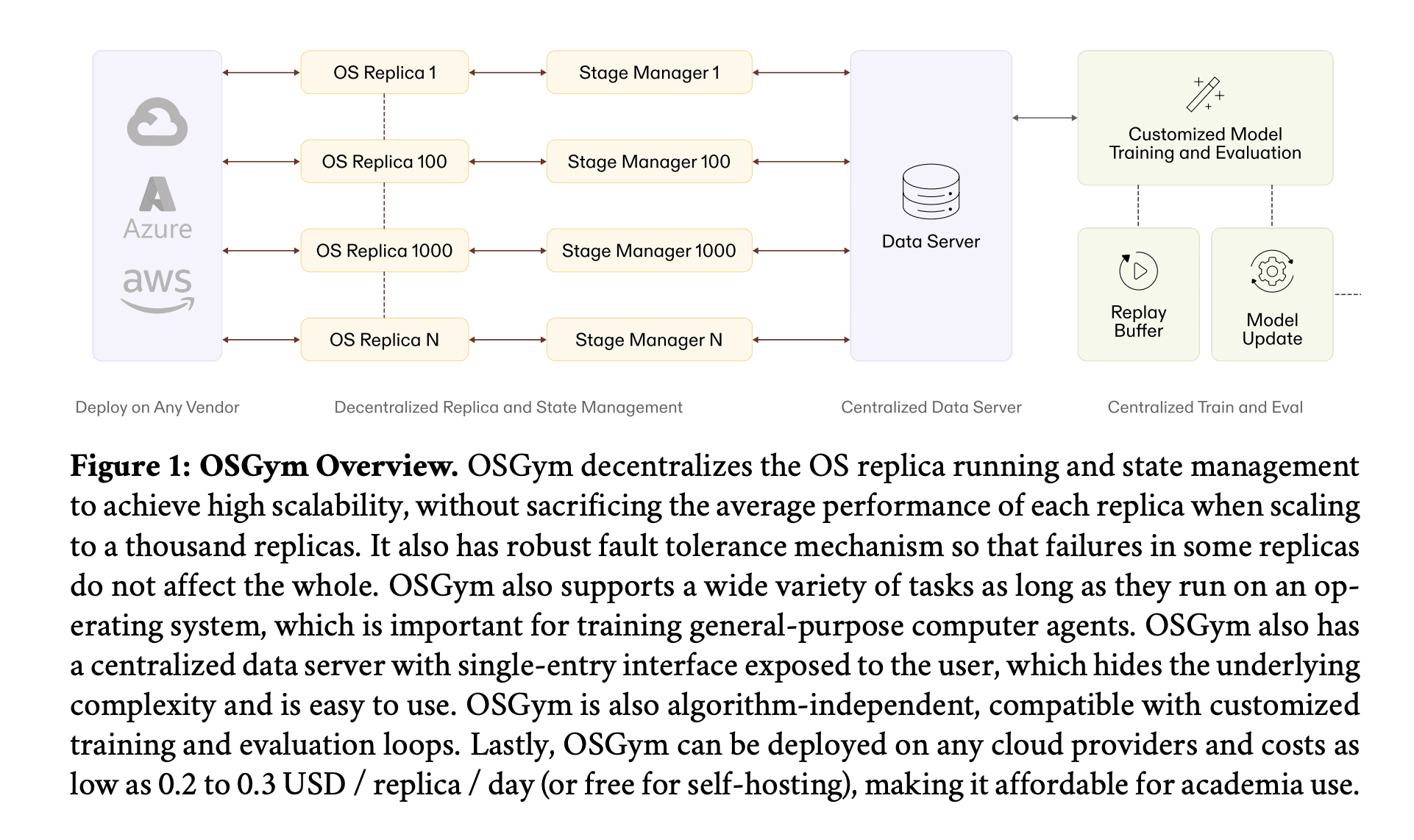
OSGym Review: $0.23/Day OS Infrastructure for AI Agents
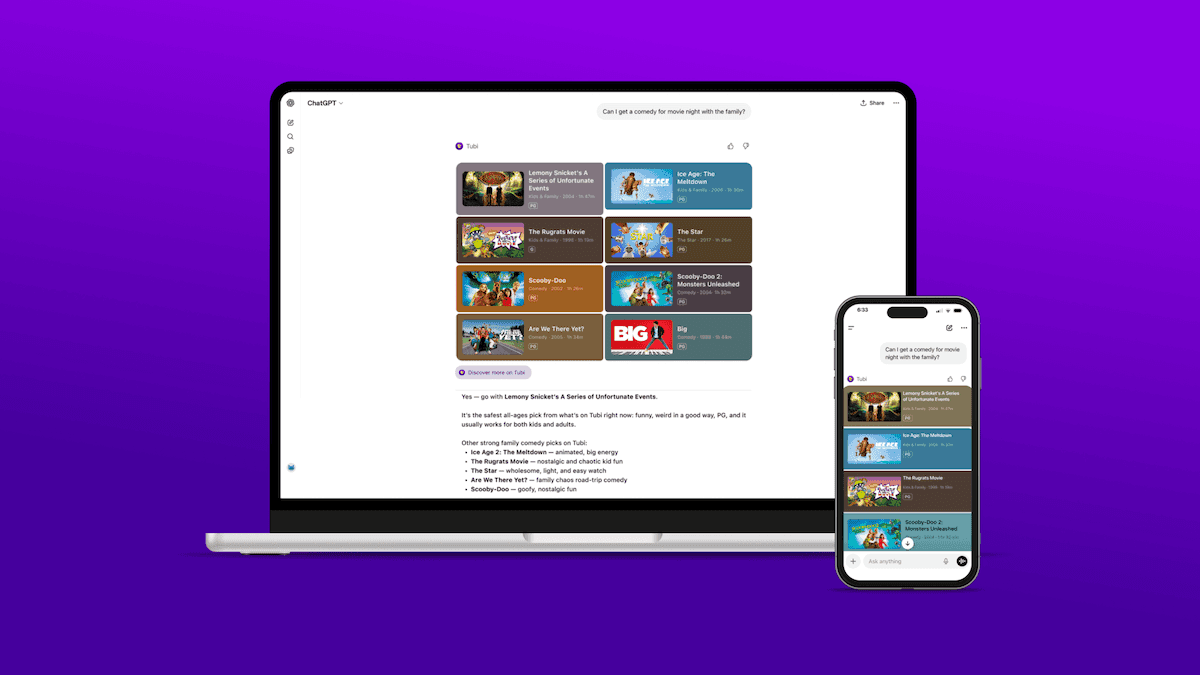
Tubi ChatGPT App: First Streamer Native Integration

Google's Offline AI Dictation App Review
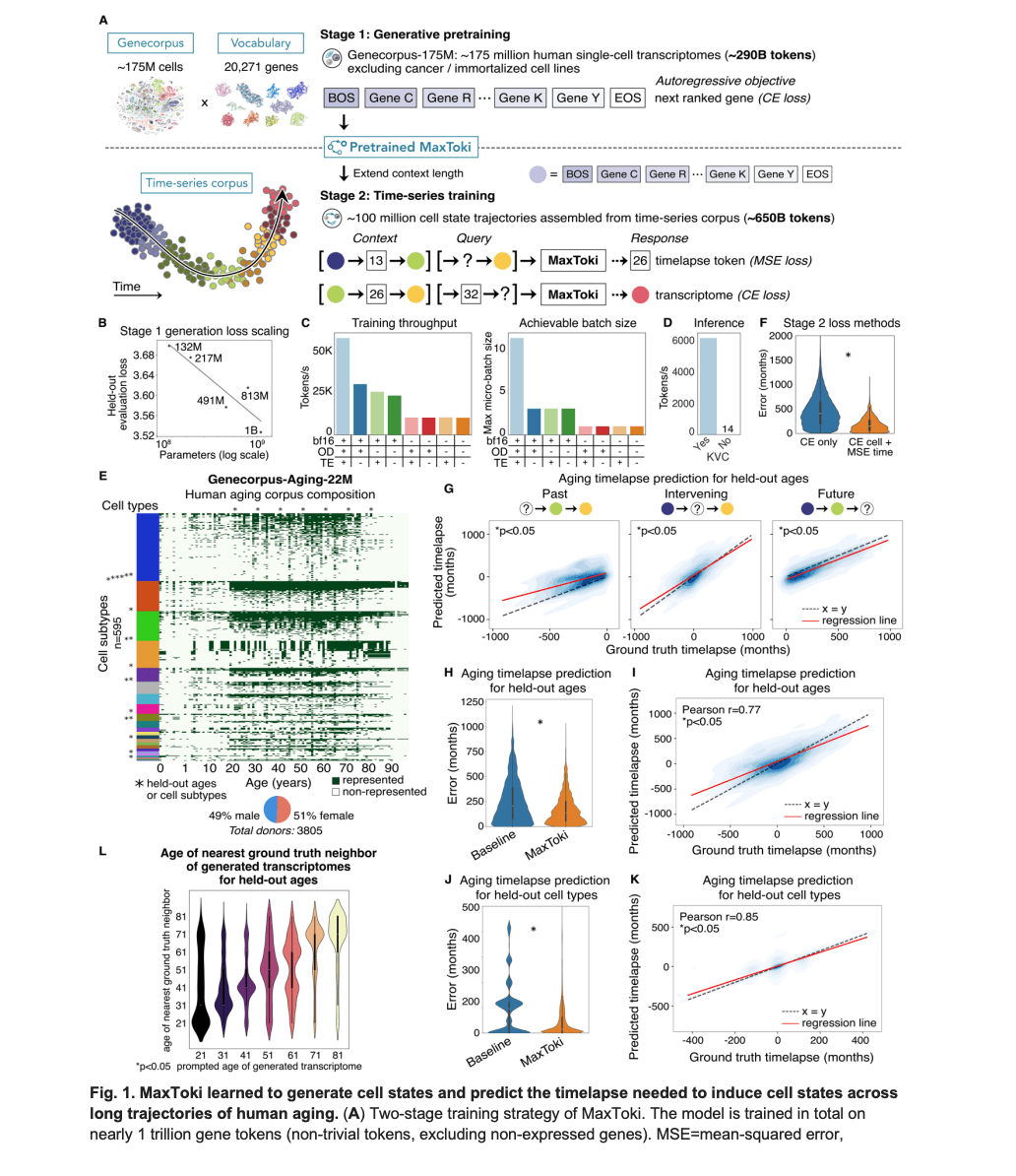
MaxToki Review: AI Predicts Cellular Aging

Apple Music AI Playlist Curation Review

Microsoft's New Voice & Image AI Models
You Might Like These Latest News
All AI NewsStay informed with the latest AI news, breakthroughs, trends, and updates shaping the future of artificial intelligence.
Stellantis Partners With Microsoft on AI Strategy
Apr 17, 2026
Musk Sues OpenAI Over Mission Drift
Apr 17, 2026
Trump Officials Push Banks to Test Anthropic's AI Model
Apr 16, 2026
Apple Testing Four Smart Glasses Designs
Apr 16, 2026
Meta and KAUST Propose Neural Computers
Apr 16, 2026
Unitree's $4,370 Humanoid Robot Now Available on AliExpress
Apr 16, 2026
Stanford Report: AI Experts and Public Growing Apart
Apr 16, 2026
Anthropic Mythos Prompting Security Concerns
Apr 16, 2026
Gizmo AI Learning App Hits 13M Users, Raises $22M
Apr 16, 2026

Discover the top AI tools handpicked daily by our editors to help you stay ahead with the latest and most innovative solutions.