Join Our Community










Get the earliest access to hand-picked content weekly for free.
Spam-free guaranteed! Only insights.
Join Our Community
Get the earliest access to hand-picked content weekly for free.
Spam-free guaranteed! Only insights.
*takeaways
takeaways*
Cline CLI is an autonomous coding agent designed to operate directly within your terminal, bringing the power of AI-assisted development to the command line. Unlike traditional IDE extensions that are confined to a specific editor, Cline works across your entire file system, executing shell commands and automating complex development workflows. It is built for developers, DevOps engineers, and technical teams who want to streamline repetitive tasks, automate debugging, and accelerate project setup without leaving their terminal environment. The key benefits include deep system integration, the ability to perform multi-step reasoning tasks, and the flexibility to adapt to any tech stack or local environment.
Cline CLI distinguishes itself with a robust set of features tailored for terminal-based workflows. Its core capability is autonomous task execution, where the AI can interpret a high-level goal such as "fix the failing tests in this directory" or "set up a new React project with Tailwind" and break it down into a series of actionable steps. This includes reading and writing files, running shell commands, and using browser tools to verify web-based outputs.
A standout feature is its MCP (Model Context Protocol) server integration. This allows Cline to connect with external tools and services, extending its functionality beyond the local machine. For example, it can interact with databases, cloud platforms, or specific APIs to perform tasks like deploying an application or querying logs. The tool also provides a visual interface within the terminal to track its thought process, showing the user exactly what commands it intends to run before execution, which adds a crucial layer of transparency and control.
At its heart, Cline CLI acts as an intelligent wrapper around large language models (LLMs) like GPT-4 or Claude, but with a specialized focus on agentic behavior. When a user provides a prompt, Cline doesn't just generate code; it formulates a plan. It uses a combination of file system access, shell command execution, and context retrieval to understand the project's state.
The technology relies on a permission-based system. Before executing any command that modifies files or runs shell scripts, Cline requests user approval. This "human-in-the-loop" approach ensures safety and prevents unintended changes. Once approved, it can navigate complex codebases, identify relevant context (like specific functions or configuration files), and implement changes. Its ability to run terminal commands means it can install packages, manage version control (git), and even spin up local servers for testing, making it a fully-fledged development partner rather than just a code generator.
Cline CLI excels in several real-world scenarios. For rapid prototyping, a developer can describe a feature, and Cline will scaffold the necessary files, install dependencies, and write the initial boilerplate code. In debugging, it can be tasked with analyzing error logs, tracing code execution, and proposing fixes, significantly reducing the time spent on troubleshooting.
Another powerful application is in DevOps and automation. Teams can use Cline to automate repetitive tasks like updating configuration files across multiple projects, generating documentation, or managing infrastructure-as-code scripts. For instance, a user could instruct Cline to "audit all Dockerfiles in this repository for security vulnerabilities and suggest improvements," and it would systematically scan, analyze, and report back. This makes it an invaluable tool for maintaining code quality and operational efficiency.
Cline CLI is an open-source tool available for free, which is a significant advantage for individual developers and small teams. The primary cost associated with its use is the API token from the underlying LLM provider (e.g., OpenAI, Anthropic). Users must supply their own API keys, and the usage costs will depend on the frequency of interactions and the complexity of tasks.
For enterprise users or those requiring advanced features, there may be premium tiers or managed services in the future, but the core CLI tool remains accessible to everyone. This model allows developers to leverage powerful AI capabilities without a high subscription fee, paying only for the compute they actually use.
Pros: -Deep Integration: Operates directly in the terminal, interacting with the entire system, not just a code editor. -Autonomous Workflow: Can handle multi-step tasks, reducing manual intervention. -Open Source: Free to use, with a growing community and transparent development. -Flexible: Works with any tech stack and can integrate with external tools via MCP.
Cons: -Requires API Costs: While the tool is free, users must pay for LLM API usage. -Learning Curve: Understanding how to craft effective prompts for autonomous agents takes practice. -Safety Concerns: Granting terminal access requires trust; users must be cautious with approvals.
Who Should Use It? Cline CLI is ideal for experienced developers, full-stack engineers, and DevOps professionals who are comfortable with the command line and want to automate complex workflows. It's less suitable for beginners who might prefer a guided GUI-based tool, but for those looking to supercharge their terminal productivity, Cline offers unparalleled flexibility.
FAQ
Related Topics
AI Spotlights
Unleashing Today's trailblazer, this week's game-changers, and this month's legends in AI. Dive in and discover tools that matter.

Claude Fable 5 Review: Mythos Power with Safety
Gemma 4 12B Review: Multimodal AI on Your Laptop

Google Dreambeans Review: AI Cartoon Stories
NVIDIA Nemotron 3 Ultra: 550B MoE LLM Review

Meta AI Agent for Enterprises: Global Launch

Gemini Omni and 3.5: Google's Latest AI Models

Step 3.7 Flash Review: 198B MoE Vision-Language Model

Gemini Spark Review: Google's AI Agent Goes Personal
Microsoft Agent Governance Toolkit Review
Gemini Spark AI Agent Review: Always-On Automation

MAI-Thinking-1 Review: Microsoft's Advanced Reasoning AI
Microsoft Scout Review: OpenClaw-Powered AI Assistant

Microsoft MDASH Review: 100+ AI Agents for Threat Hunting

Google Phone App Fake Call Detection Review
Stable Audio 3 Review: Fast AI Audio Generation

Claude Opus 4.8: Dynamic Workflows & Faster AI
Microsoft 365 Copilot Redesign: 2x Speed Boost

Perplexity Bumblebee: AI Supply Chain Security Scanner

AWS OpenSearch Serverless Review: Enterprise Search Reimagined
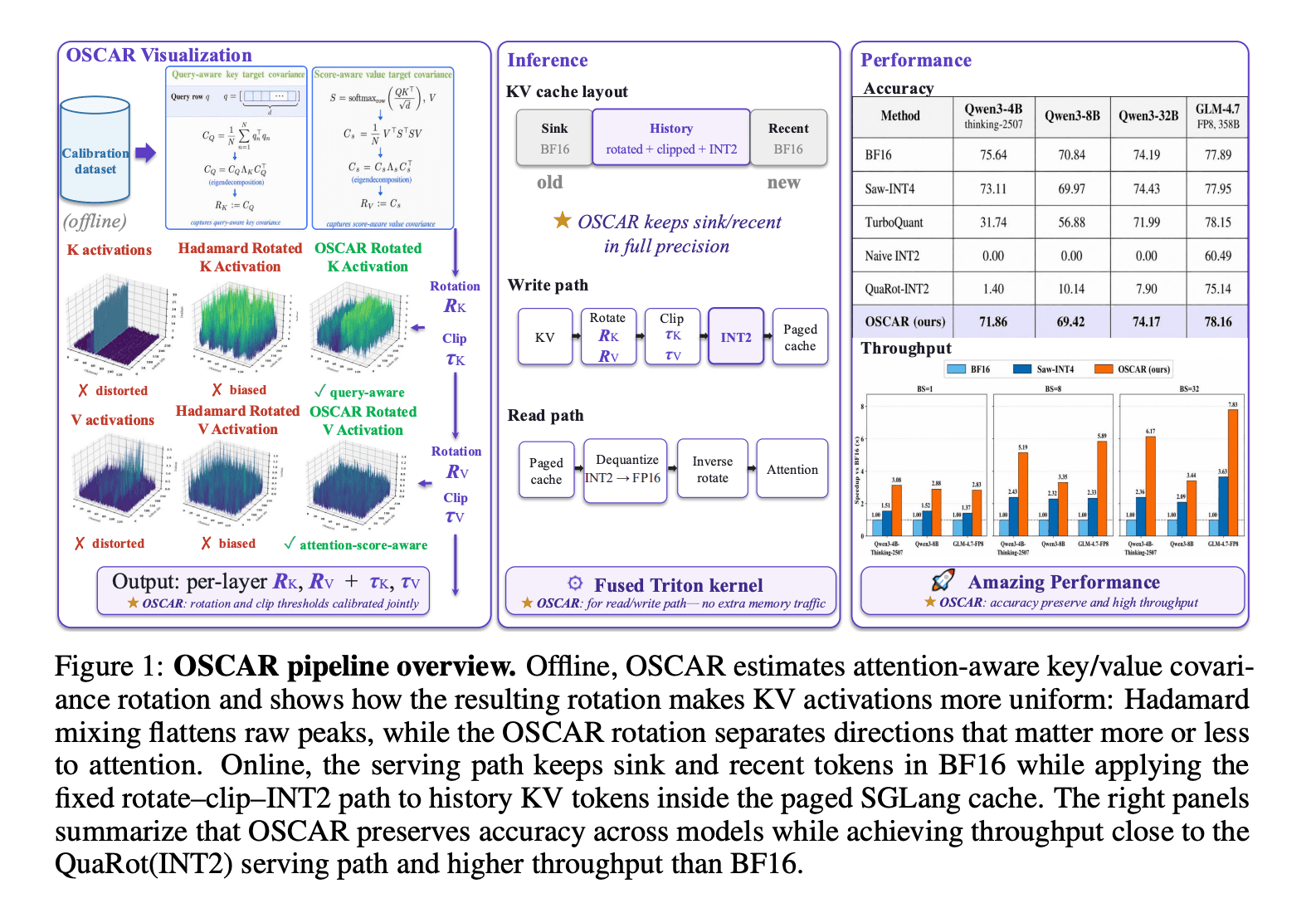
OSCAR: 2-Bit KV Cache Quantization for LLMs
You Might Like These Latest News
All AI NewsStay informed with the latest AI news, breakthroughs, trends, and updates shaping the future of artificial intelligence.
Microsoft Patches Zero-Day After Researcher Disclosure
Jun 10, 2026
NVIDIA GPUs Power Apple's Private Cloud Compute Expansion
Jun 10, 2026
GM Launches Vehicle-to-Grid Tech to Power AI Data Centers
Jun 10, 2026
Alphabet's $85B AI Investment Signals Major Shift
Jun 5, 2026
AI Cognitive Fatigue: Work Smarter, Not Harder
Jun 5, 2026
Nvidia Unveils Physical AI Research with Cosmos 3
Jun 5, 2026
Airbnb CEO Launches AI Lab to Build Custom LLMs
Jun 5, 2026
Anthropic's IPO Filing Balances Growth With Responsible AI
Jun 3, 2026
Meta's AI Chatbot Exploited to Hijack Instagram Accounts
Jun 3, 2026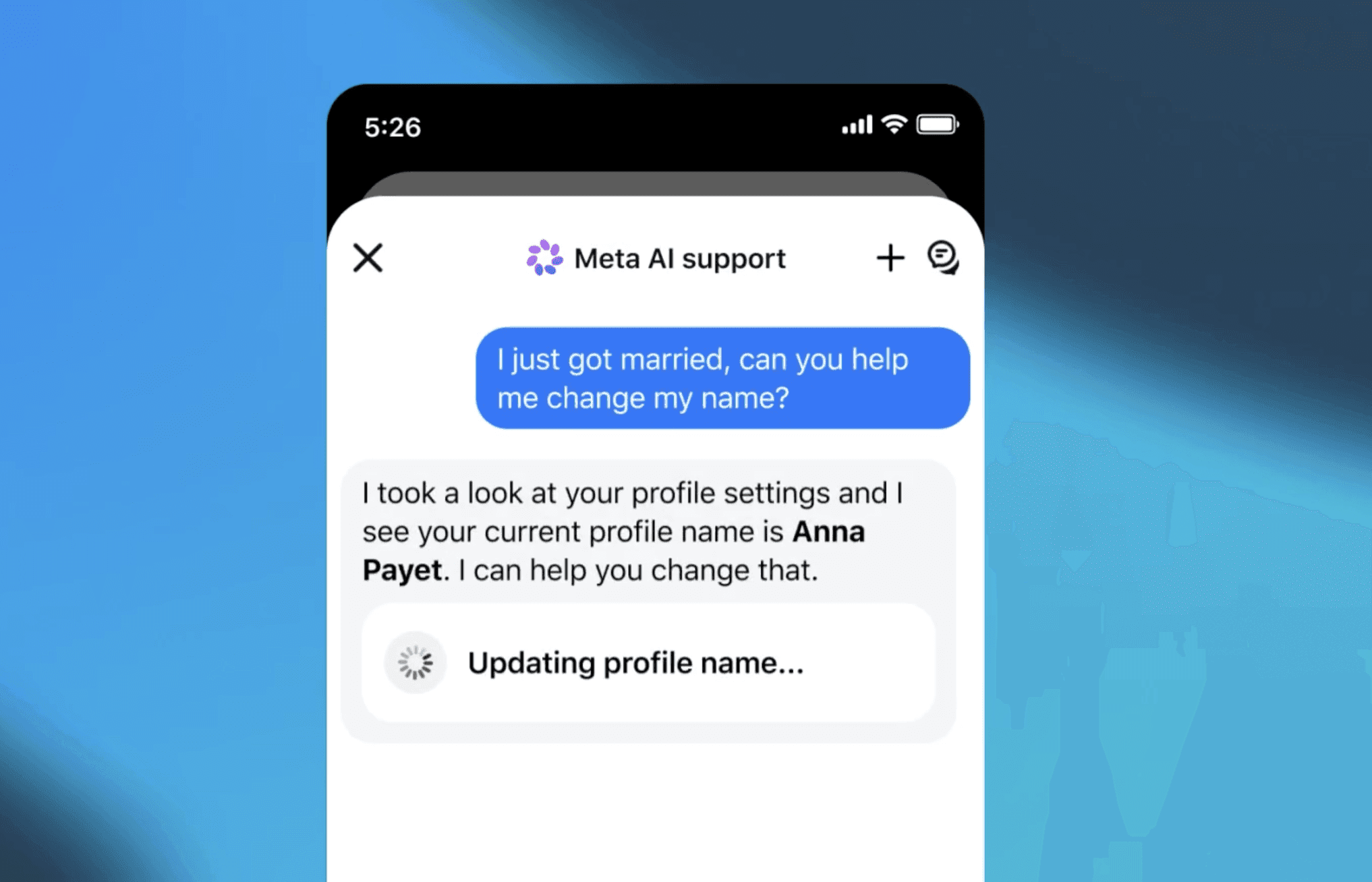

Discover the top AI tools handpicked daily by our editors to help you stay ahead with the latest and most innovative solutions.