Join Our Community










Get the earliest access to hand-picked content weekly for free.
Spam-free guaranteed! Only insights.
Join Our Community
Get the earliest access to hand-picked content weekly for free.
Spam-free guaranteed! Only insights.
🎯 Quick Impact Summary
-Security Over Functionality: Lockdown Mode sacrifices features like file uploads and web browsing to prevent cyberattacks, making it ideal for high-risk users.
-Automatic Risk Detection: The Elevated Risk Label system proactively flags sensitive queries to prevent the generation of dangerous or legally compromising content.
-Enterprise Availability: Currently available for ChatGPT Plus, Enterprise, and Edu users at no extra cost, but requires a paid subscription.
-Targeted Use Case: Best suited for journalists, government officials, and corporate teams handling IP, but too restrictive for casual or developer use.
-Ease of Deployment: Can be enabled instantly via settings, allowing organizations to enforce strict security policies without technical overhead.
OpenAI has introduced Lockdown Mode and Elevated Risk Labels in ChatGPT to address growing security and safety concerns for high-risk users. This new configuration is designed to protect individuals who are most likely to be targeted by sophisticated cyberattacks, such as government officials, journalists, and human rights activists. By significantly reducing the model's capabilities, this feature prioritizes security over functionality, ensuring that sensitive interactions remain protected against potential exploitation.
The core of this update is Lockdown Mode, a strict security setting that drastically limits ChatGPT's functionality to minimize the attack surface for zero-click exploits. When activated, the mode disables features that process untrusted data, such as file uploads, code execution, and interactive browsing. This ensures that the model cannot be manipulated to execute malicious commands or access external systems.
Complementing this is the Elevated Risk Label system. This feature automatically detects when a user's query or context falls into a high-risk category—such as discussing sensitive infrastructure, political dissent, or confidential technical details—and flags the interaction. The system may either refuse to process the request or provide a heavily sanitized response, preventing the model from being used to generate dangerous information.
Together, these features create a hardened environment. While standard ChatGPT users enjoy a wide range of capabilities, those in Lockdown Mode operate within a "walled garden" where the risk of data exfiltration or remote code execution is virtually eliminated.
Technically, Lockdown Mode functions by stripping away the model's tool-use capabilities. In a standard environment, ChatGPT can invoke interpreters, browse the web, and parse various file formats. These functionalities are common vectors for prompt injection attacks and data leakage.
In Lockdown Mode, the system middleware intercepts any request to use these tools and blocks it. The underlying Large Language Model (LLM) remains active for text-based reasoning, but its "arms and legs" (the plugins and code interpreters) are removed. The Elevated Risk Labeling system likely utilizes a secondary classifier model or a fine-tuned safety layer that runs in parallel with the main response generation. This classifier analyzes the input context window for semantic patterns associated with high-risk scenarios (e.g., keywords related to CBRN threats or critical infrastructure) and triggers a mitigation protocol before the response is finalized.
The primary use case for Lockdown Mode is high-stakes professional security. For example, a journalist investigating government corruption can use ChatGPT to brainstorm interview questions or structure an article without risking malware infection via a malicious file sent by a source. The mode ensures that even if the journalist is targeted by a state-level actor, the interaction channel remains secure.
Another application is in corporate intellectual property protection. A defense contractor or pharmaceutical researcher can utilize this mode to discuss proprietary data. By disabling file uploads and web access, they eliminate the risk of the model inadvertently caching or transmitting sensitive data to external endpoints.
For human rights activists operating in hostile environments, Lockdown Mode provides a safe space to draft communications. The Elevated Risk Labeling ensures that if they accidentally discuss tactics that could be deemed illegal in their jurisdiction, the model refuses to generate content that could be used as evidence against them, offering a layer of legal insulation.
As of the current release, Lockdown Mode and Elevated Risk Labels are available to ChatGPT Enterprise, Edu, and Plus users. There is no additional cost to activate Lockdown Mode; it is a toggle within the security settings for eligible accounts.
-ChatGPT Plus ($20/month): Individual users can access Lockdown Mode. -ChatGPT Enterprise: Custom pricing based on seat count. Enterprise admins can enforce Lockdown Mode organization-wide via workspace settings. -ChatGPT Edu: Similar to Enterprise, available for educational institutions.
It is important to note that while the feature is free to enable, it requires a paid subscription. There is currently no timeline for a rollout to free-tier users, as OpenAI is prioritizing resource allocation for high-value, high-risk customers.
Pros: -Superior Security: Drastically reduces the attack surface for zero-click exploits and prompt injection. -Privacy Focus: Limits data processing to text-only, reducing the risk of file-based data leaks. -Ease of Use: Simply a toggle switch in settings; no complex configuration required.
Cons: -Reduced Functionality: Users lose access to Advanced Data Analysis (code interpreter), file uploads, and web browsing, which are critical for many workflows. -False Positives: The Elevated Risk Labeling system may occasionally flag benign queries as sensitive, frustrating users. -Not for General Use: The security trade-offs make it impractical for casual users who rely on ChatGPT's multimodal capabilities.
Who Should Use It: This feature is strictly recommended for high-risk individuals (journalists, activists, politicians) and enterprise sectors handling sensitive data (legal, defense, healthcare). It is not suitable for creative writers, students, or developers who rely on the tool's ability to execute code and analyze datasets.
FAQ
Related Topics
AI Spotlights
Unleashing Today's trailblazer, this week's game-changers, and this month's legends in AI. Dive in and discover tools that matter.

Claude Fable 5 Review: Mythos Power with Safety
Gemma 4 12B Review: Multimodal AI on Your Laptop

Google Dreambeans Review: AI Cartoon Stories
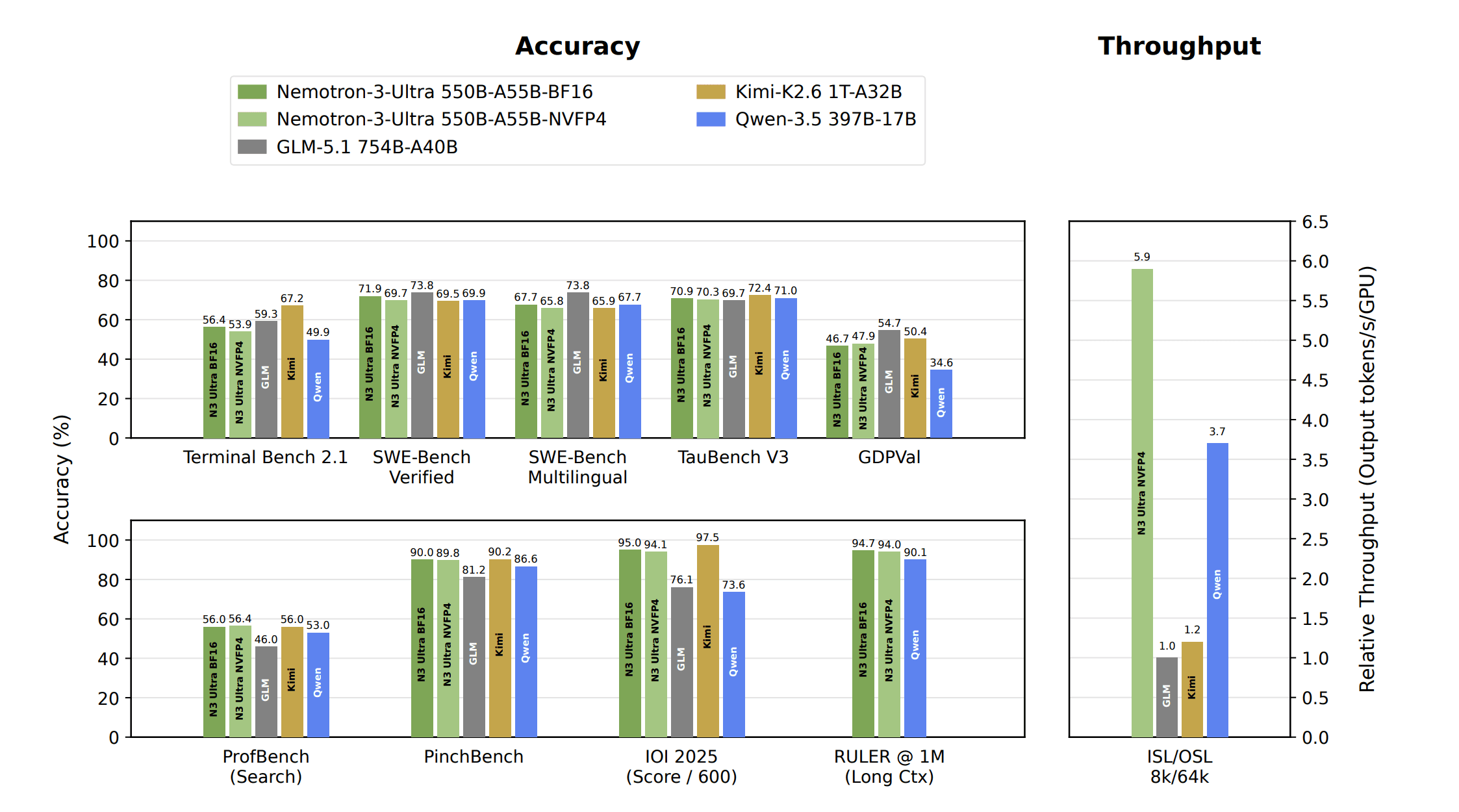
NVIDIA Nemotron 3 Ultra: 550B MoE LLM Review
Meta AI Agent for Enterprises: Global Launch

Gemini Omni and 3.5: Google's Latest AI Models
Step 3.7 Flash Review: 198B MoE Vision-Language Model

Gemini Spark Review: Google's AI Agent Goes Personal
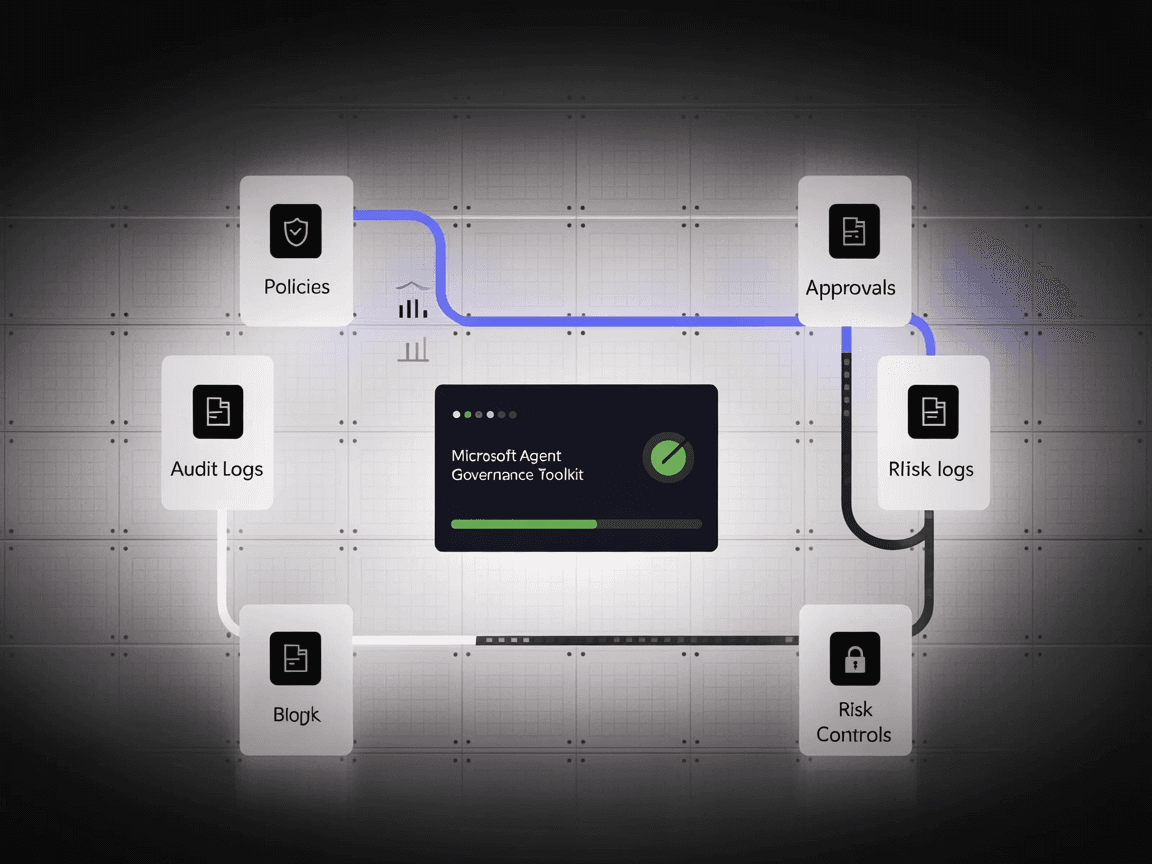
Microsoft Agent Governance Toolkit Review
Gemini Spark AI Agent Review: Always-On Automation

MAI-Thinking-1 Review: Microsoft's Advanced Reasoning AI
Microsoft Scout Review: OpenClaw-Powered AI Assistant

Microsoft MDASH Review: 100+ AI Agents for Threat Hunting
Google Phone App Fake Call Detection Review
Stable Audio 3 Review: Fast AI Audio Generation

Claude Opus 4.8: Dynamic Workflows & Faster AI
Microsoft 365 Copilot Redesign: 2x Speed Boost

Perplexity Bumblebee: AI Supply Chain Security Scanner

AWS OpenSearch Serverless Review: Enterprise Search Reimagined
OSCAR: 2-Bit KV Cache Quantization for LLMs
You Might Like These Latest News
All AI NewsStay informed with the latest AI news, breakthroughs, trends, and updates shaping the future of artificial intelligence.
Microsoft Patches Zero-Day After Researcher Disclosure
Jun 10, 2026
NVIDIA GPUs Power Apple's Private Cloud Compute Expansion
Jun 10, 2026
GM Launches Vehicle-to-Grid Tech to Power AI Data Centers
Jun 10, 2026
Alphabet's $85B AI Investment Signals Major Shift
Jun 5, 2026
AI Cognitive Fatigue: Work Smarter, Not Harder
Jun 5, 2026
Nvidia Unveils Physical AI Research with Cosmos 3
Jun 5, 2026
Airbnb CEO Launches AI Lab to Build Custom LLMs
Jun 5, 2026
Anthropic's IPO Filing Balances Growth With Responsible AI
Jun 3, 2026
Meta's AI Chatbot Exploited to Hijack Instagram Accounts
Jun 3, 2026

Discover the top AI tools handpicked daily by our editors to help you stay ahead with the latest and most innovative solutions.