Join Our Community










Get the earliest access to hand-picked content weekly for free.
Spam-free guaranteed! Only insights.
Join Our Community
Get the earliest access to hand-picked content weekly for free.
Spam-free guaranteed! Only insights.
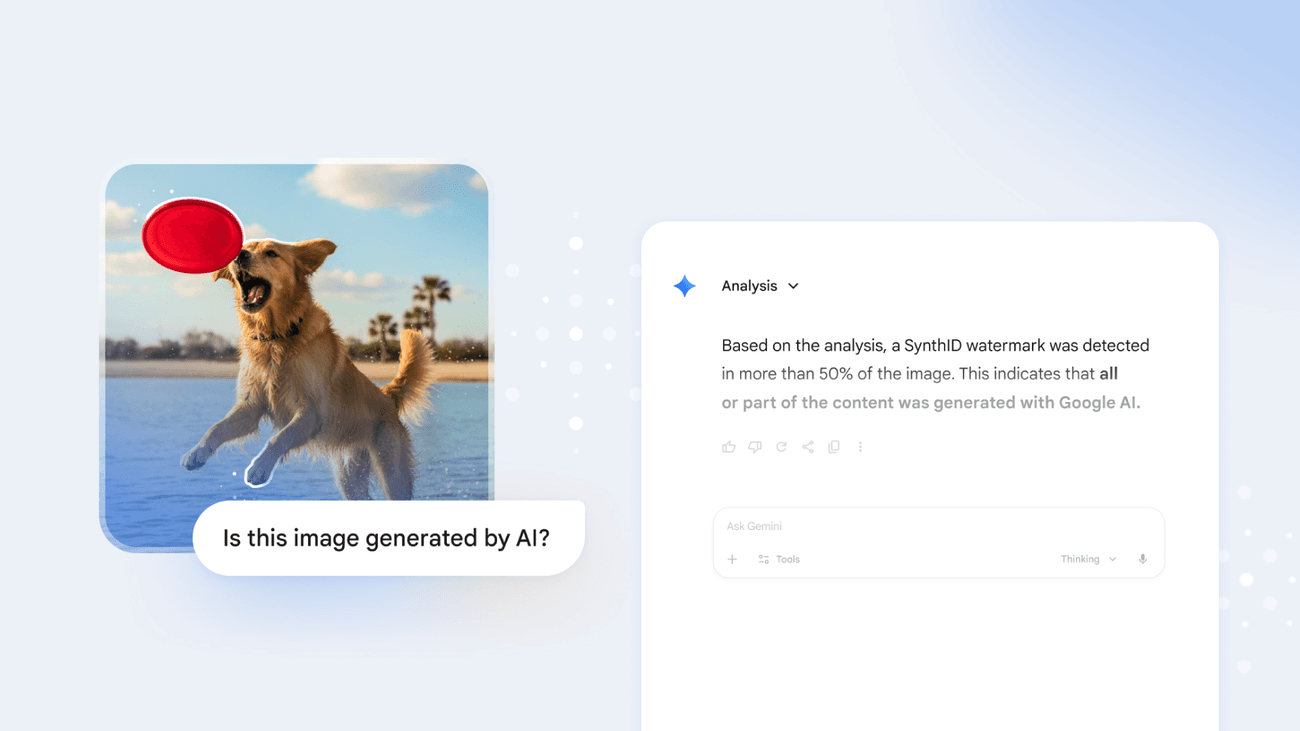
The rise of sophisticated AI image generation tools has brought with it a growing concern: the proliferation of deepfakes and manipulated images. Distinguishing between what’s real and what’s fabricated is becoming increasingly difficult, impacting trust in online information. Google is tackling this challenge head-on with a new AI-powered image verification tool built into the Gemini app, promising a significant step forward in combating visual misinformation. This innovative feature leverages the power of the Gemini 1.5 Pro model to analyze images and provide users with insights into their authenticity, offering a crucial layer of defense against deceptive content.
At the heart of this new capability is Gemini 1.5 Pro’s ability to understand and analyze complex visual data. When you upload an image to the Gemini app, the tool doesn’t just look at the pixels. It delves deeper, examining the image for inconsistencies, artifacts, and telltale signs of manipulation. This includes scrutinizing lighting, shadows, and object relationships to determine if they align with physical reality.
The tool then provides a detailed report, highlighting areas of concern and offering a confidence level regarding the image’s authenticity. It’s important to note that this isn’t a simple “real or fake” determination. Instead, Gemini provides nuanced insights, acknowledging that even seemingly authentic images can have elements that have been altered or generated. The system can also identify if an image has been significantly edited, even if the alterations aren’t immediately obvious to the human eye. This is particularly useful in identifying subtle manipulations designed to mislead. Google emphasizes that this technology is constantly evolving, learning from new data and improving its accuracy over time. They are also actively working to address potential biases in the model to ensure fair and reliable results for all users.
The implications of this technology extend far beyond simply identifying deepfakes. Consider the impact on journalism, where verifying the authenticity of images is paramount. News organizations can use this tool to quickly assess the credibility of user-submitted photos and videos, preventing the spread of misinformation. Similarly, in the realm of social media, individuals can use Gemini’s image verification to critically evaluate the content they encounter, fostering a more informed and discerning online community.
Beyond these immediate applications, the technology has potential in areas like insurance claims processing, where verifying the authenticity of damage photos is crucial, and even in legal investigations, where visual evidence often plays a key role. Google is also exploring ways to integrate this technology into other products and services, making it more widely accessible. The company is committed to responsible AI development and is actively collaborating with experts in the field to address the ethical considerations surrounding this powerful technology. For example, they are working on ways to watermark AI-generated images to clearly identify them as such, promoting transparency and accountability. You can learn more about responsible AI practices.
Google’s introduction of AI-powered image verification within the Gemini app represents a pivotal moment in the fight against visual misinformation. While not a foolproof solution, it provides a powerful new tool for individuals and organizations alike to critically assess the authenticity of images and navigate the increasingly complex digital landscape. As AI technology continues to advance, tools like this will become increasingly essential for maintaining trust and ensuring the integrity of information. The ongoing development and refinement of this technology, coupled with a commitment to responsible AI practices, will be crucial in shaping a future where visual trust is restored and misinformation is effectively countered.
FAQ
Related Topics
AI Spotlights
Unleashing Today's trailblazer, this week's game-changers, and this month's legends in AI. Dive in and discover tools that matter.
Claude Fable 5 Review: Mythos Power with Safety
Gemma 4 12B Review: Multimodal AI on Your Laptop

Google Dreambeans Review: AI Cartoon Stories
NVIDIA Nemotron 3 Ultra: 550B MoE LLM Review
Meta AI Agent for Enterprises: Global Launch
Gemini Omni and 3.5: Google's Latest AI Models

Step 3.7 Flash Review: 198B MoE Vision-Language Model
Gemini Spark Review: Google's AI Agent Goes Personal
Microsoft Agent Governance Toolkit Review
Gemini Spark AI Agent Review: Always-On Automation
MAI-Thinking-1 Review: Microsoft's Advanced Reasoning AI
Microsoft Scout Review: OpenClaw-Powered AI Assistant
Microsoft MDASH Review: 100+ AI Agents for Threat Hunting

Google Phone App Fake Call Detection Review
Stable Audio 3 Review: Fast AI Audio Generation
Claude Opus 4.8: Dynamic Workflows & Faster AI
Microsoft 365 Copilot Redesign: 2x Speed Boost
Perplexity Bumblebee: AI Supply Chain Security Scanner
AWS OpenSearch Serverless Review: Enterprise Search Reimagined
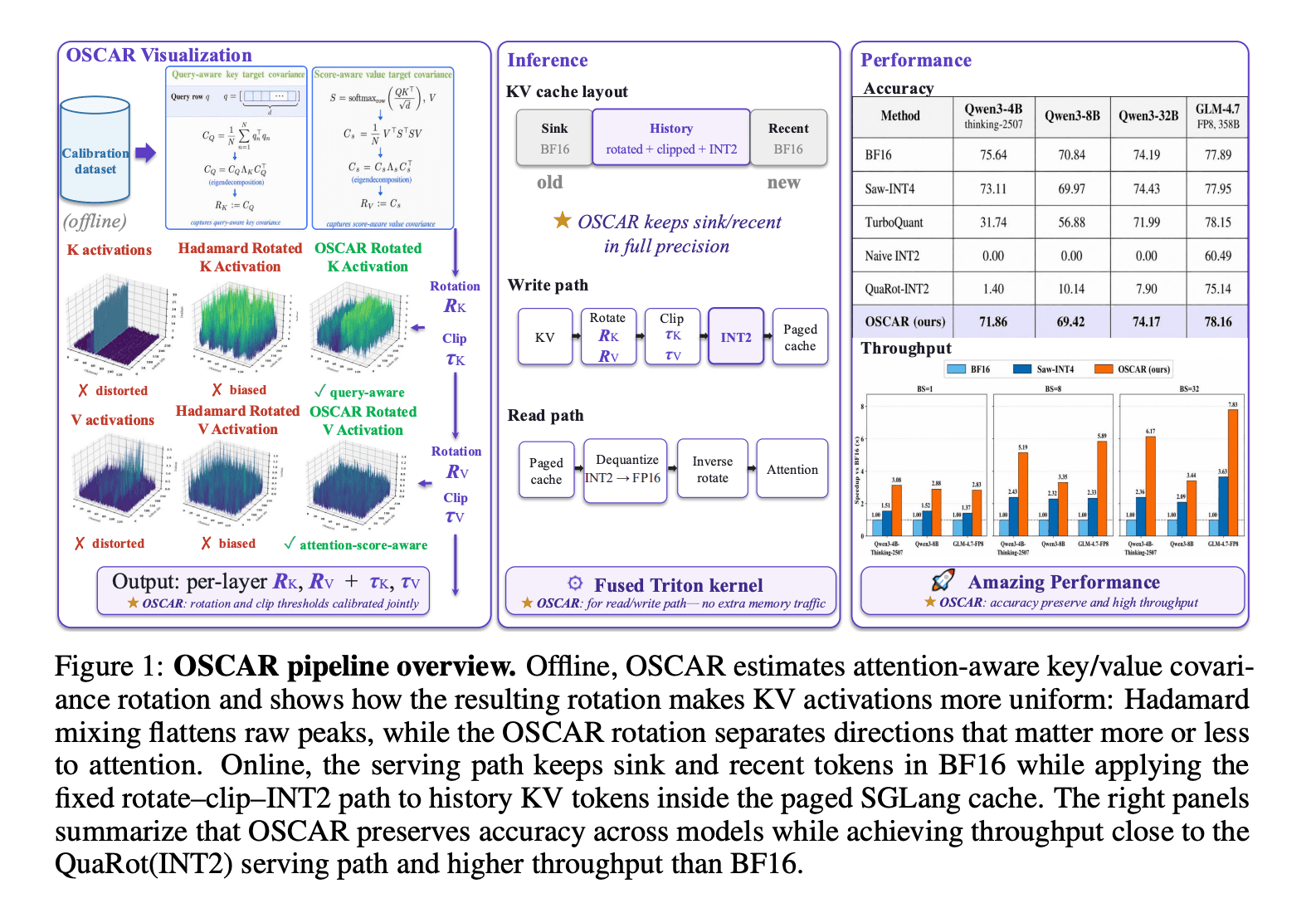
OSCAR: 2-Bit KV Cache Quantization for LLMs
You Might Like These Latest News
All AI NewsStay informed with the latest AI news, breakthroughs, trends, and updates shaping the future of artificial intelligence.
Microsoft Patches Zero-Day After Researcher Disclosure
Jun 10, 2026
NVIDIA GPUs Power Apple's Private Cloud Compute Expansion
Jun 10, 2026
GM Launches Vehicle-to-Grid Tech to Power AI Data Centers
Jun 10, 2026
Alphabet's $85B AI Investment Signals Major Shift
Jun 5, 2026
AI Cognitive Fatigue: Work Smarter, Not Harder
Jun 5, 2026
Nvidia Unveils Physical AI Research with Cosmos 3
Jun 5, 2026
Airbnb CEO Launches AI Lab to Build Custom LLMs
Jun 5, 2026
Anthropic's IPO Filing Balances Growth With Responsible AI
Jun 3, 2026
Meta's AI Chatbot Exploited to Hijack Instagram Accounts
Jun 3, 2026

Discover the top AI tools handpicked daily by our editors to help you stay ahead with the latest and most innovative solutions.