Join Our Community










Get the earliest access to hand-picked content weekly for free.
Spam-free guaranteed! Only insights.
Join Our Community
Get the earliest access to hand-picked content weekly for free.
Spam-free guaranteed! Only insights.

Artificial intelligence is rapidly transforming healthcare, and a new development from engineers at the University of California San Diego promises to take personalized cardiac care to the next level. Researchers have created highly detailed, AI-powered “digital twins” of human hearts, offering a revolutionary approach to understanding and treating heart conditions. This technology could drastically improve the effectiveness of treatment plans, moving away from a one-size-fits-all approach and towards therapies tailored to each patient’s unique cardiac anatomy and physiology. The implications of this research are immense, potentially impacting millions suffering from heart disease – the leading cause of death globally.
The creation of these digital twins isn’t simply about building a 3D model of a heart. It’s about imbuing that model with the complex functionality of a real, beating organ. The researchers utilized sophisticated computational modeling and machine learning algorithms, trained on extensive datasets of cardiac imaging – specifically MRI scans. These scans provide detailed anatomical information, which is then used to construct a personalized virtual heart. However, the real innovation lies in the AI’s ability to simulate the heart’s electrical activity and mechanical function.
This simulation is powered by a physics-based model, meaning it’s grounded in the actual laws governing how the heart works. The AI doesn’t just *learn* how the heart behaves; it *understands* why, allowing for more accurate predictions and a deeper insight into the effects of different interventions. Crucially, the digital twin can respond to simulated stimuli – like medication or a pacemaker – allowing doctors to test treatment options *before* implementing them in the real world. The team also developed a method to efficiently calibrate these models to each patient’s data, making the process faster and more practical for clinical use. This capability is vital for translating this research from the laboratory to the bedside.
The potential applications for these AI-powered digital twins are far-reaching. One major area is the treatment of heart failure, a condition affecting millions worldwide. Currently, deciding on the optimal therapy – whether medication, a pacemaker, or even a heart transplant – often involves a degree of trial and error. With a digital twin, doctors could simulate the effects of different treatments on a patient’s virtual heart, identifying the most effective approach with greater confidence.
Beyond treatment optimization, digital twins can also be used for risk stratification – identifying patients who are at a high risk of developing dangerous cardiac events, such as sudden cardiac arrest. By simulating the heart’s response to stress, like exercise, researchers can pinpoint vulnerabilities that might not be apparent through traditional diagnostic tests. For instance, the team demonstrated the ability to predict the likelihood of a dangerous arrhythmia, a chaotic heart rhythm that can be life-threatening. This predictive capability is a game-changer, allowing for proactive interventions to prevent catastrophic events. A related article on the National Institutes of Health website from earlier this year details the growing role of personalized medicine in cardiology: [https://www.nhlbi.nih.gov/news/2023/personalized-medicine-cardiology-new-frontier](https://www.nhlbi.nih.gov/news/2023/personalized-medicine-cardiology-new-frontier)
While this technology holds immense promise, significant challenges remain before it becomes widespread in clinical practice. One challenge is the computational cost of running these complex simulations. Creating and calibrating a digital twin requires significant processing power and time. Researchers are actively working on developing more efficient algorithms and leveraging cloud computing to address this issue. Another challenge is the need for larger and more diverse datasets to train the AI models. Ensuring the models are accurate and reliable across different populations is crucial.
The team at UC San Diego is already exploring new avenues for research, including incorporating more detailed physiological data, such as blood flow and metabolism, into the digital twins. They are also investigating the use of this technology to simulate the effects of genetic mutations on cardiac function, potentially leading to new insights into the underlying causes of heart disease. Furthermore, they envision a future where digital twins are used not just for diagnosis and treatment, but also for preventative care, helping individuals optimize their lifestyle to maintain a healthy heart throughout their lives.
The development of AI-powered digital twins of the heart represents a paradigm shift in cardiac care. By offering a personalized, predictive, and proactive approach to treatment, this technology has the potential to dramatically improve the lives of millions affected by heart disease. While challenges remain in terms of computational cost and data availability, the ongoing research and development in this field are paving the way for a future where every patient receives the most effective and tailored treatment possible. This is a truly exciting development in the intersection of artificial intelligence and medicine, and its impact will undoubtedly be felt for years to come.
FAQ
AI Spotlights
Unleashing Today's trailblazer, this week's game-changers, and this month's legends in AI. Dive in and discover tools that matter.
Claude Fable 5 Review: Mythos Power with Safety
Gemma 4 12B Review: Multimodal AI on Your Laptop
Google Dreambeans Review: AI Cartoon Stories
NVIDIA Nemotron 3 Ultra: 550B MoE LLM Review
Meta AI Agent for Enterprises: Global Launch
Gemini Omni and 3.5: Google's Latest AI Models

Step 3.7 Flash Review: 198B MoE Vision-Language Model
Gemini Spark Review: Google's AI Agent Goes Personal
Microsoft Agent Governance Toolkit Review
Gemini Spark AI Agent Review: Always-On Automation
MAI-Thinking-1 Review: Microsoft's Advanced Reasoning AI
Microsoft Scout Review: OpenClaw-Powered AI Assistant
Microsoft MDASH Review: 100+ AI Agents for Threat Hunting
Google Phone App Fake Call Detection Review
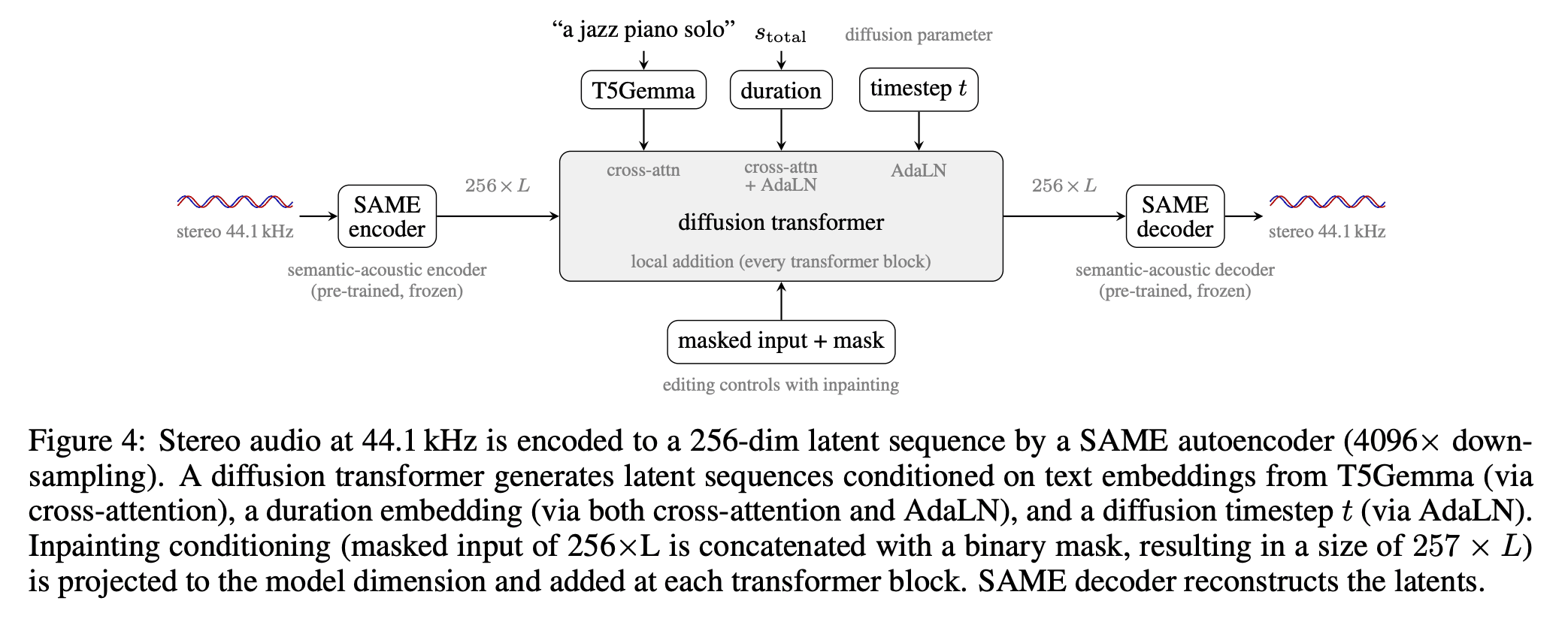
Stable Audio 3 Review: Fast AI Audio Generation
Claude Opus 4.8: Dynamic Workflows & Faster AI
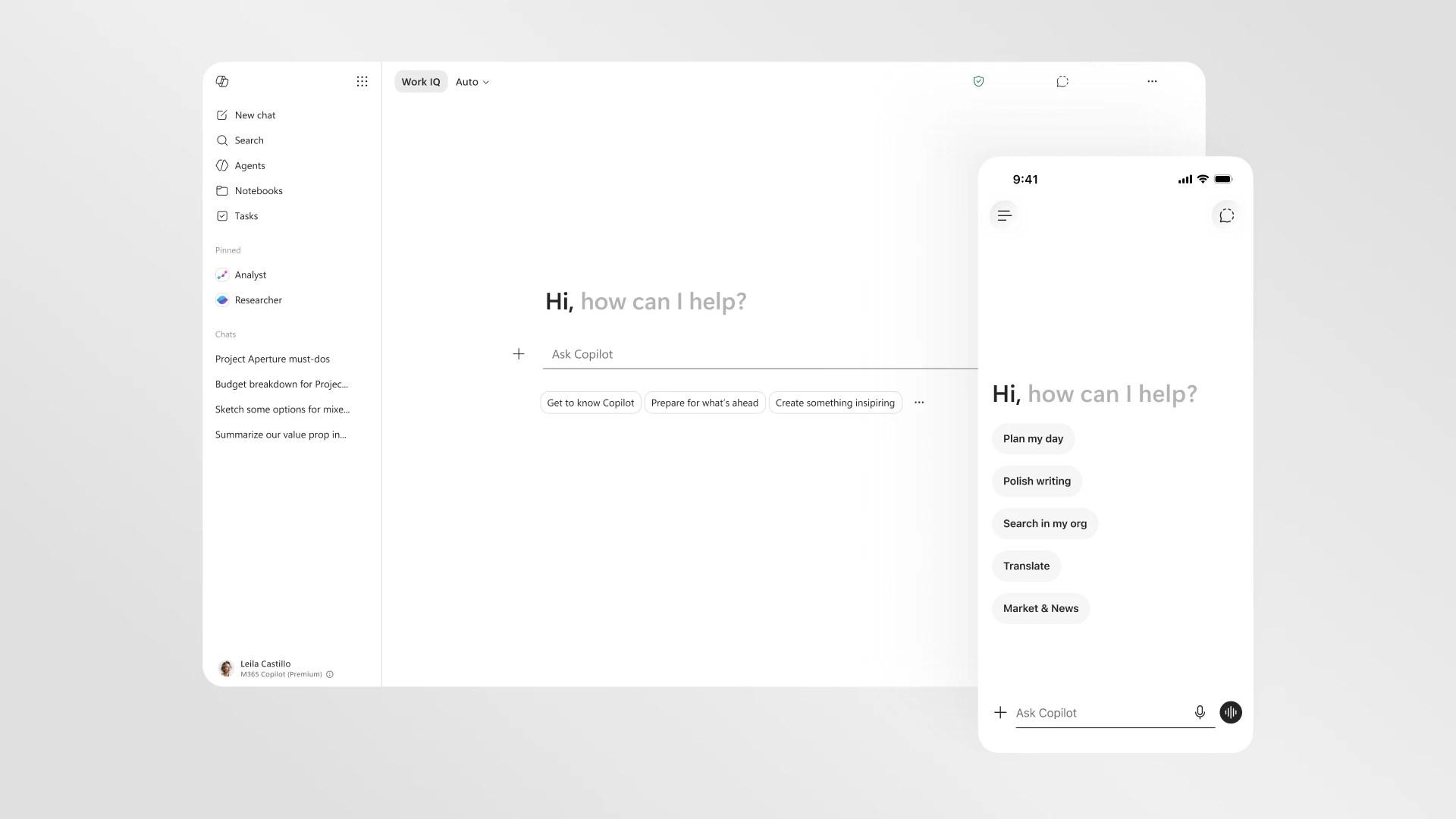
Microsoft 365 Copilot Redesign: 2x Speed Boost
Perplexity Bumblebee: AI Supply Chain Security Scanner

AWS OpenSearch Serverless Review: Enterprise Search Reimagined
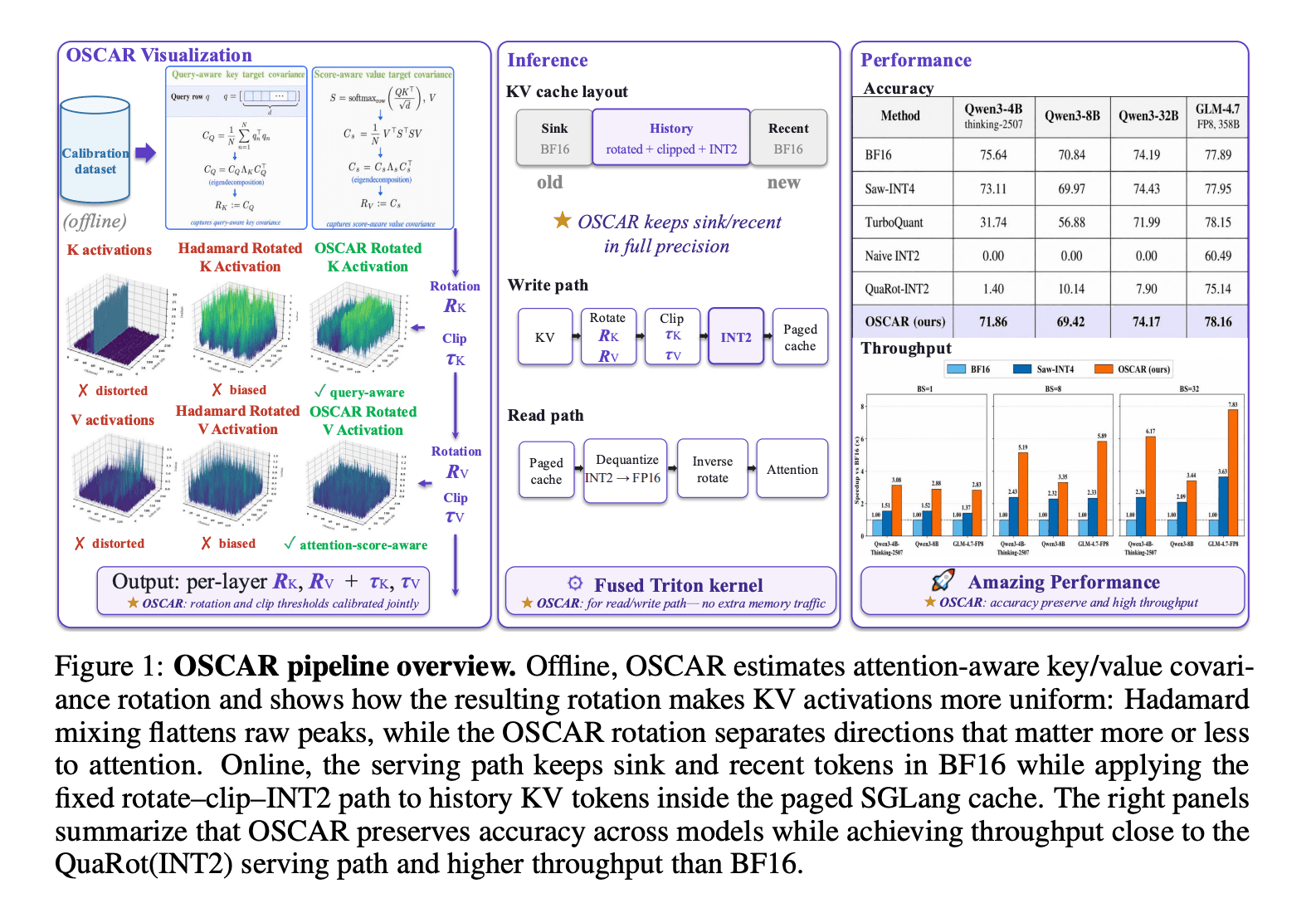
OSCAR: 2-Bit KV Cache Quantization for LLMs
You Might Like These Latest News
All AI NewsStay informed with the latest AI news, breakthroughs, trends, and updates shaping the future of artificial intelligence.
Microsoft Patches Zero-Day After Researcher Disclosure
Jun 10, 2026
NVIDIA GPUs Power Apple's Private Cloud Compute Expansion
Jun 10, 2026
GM Launches Vehicle-to-Grid Tech to Power AI Data Centers
Jun 10, 2026
Alphabet's $85B AI Investment Signals Major Shift
Jun 5, 2026
AI Cognitive Fatigue: Work Smarter, Not Harder
Jun 5, 2026
Nvidia Unveils Physical AI Research with Cosmos 3
Jun 5, 2026
Airbnb CEO Launches AI Lab to Build Custom LLMs
Jun 5, 2026
Anthropic's IPO Filing Balances Growth With Responsible AI
Jun 3, 2026
Meta's AI Chatbot Exploited to Hijack Instagram Accounts
Jun 3, 2026

Discover the top AI tools handpicked daily by our editors to help you stay ahead with the latest and most innovative solutions.