Join Our Community










Get the earliest access to hand-picked content weekly for free.
Spam-free guaranteed! Only insights.
Join Our Community
Get the earliest access to hand-picked content weekly for free.
Spam-free guaranteed! Only insights.
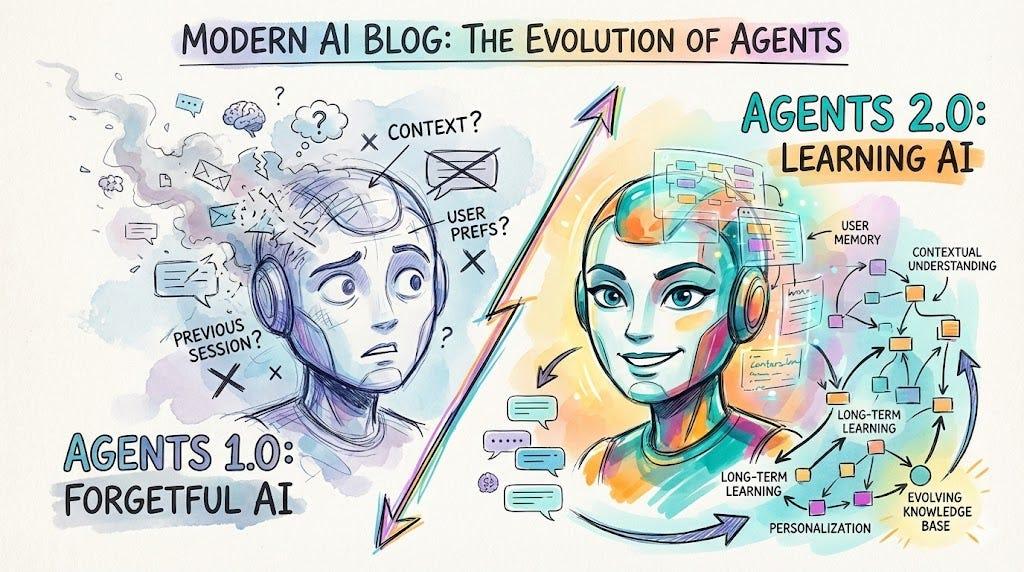
In the rapidly evolving landscape of artificial intelligence, the concept of "AI Agents 2.0" is gaining significant traction. Unlike their predecessors, which often suffer from amnesia—forgetting user preferences and context from one session to the next—these next-generation agents are designed with persistent learning capabilities. This article explores the six learning types that enable memory persistence, transforming how AI interacts with users and businesses.
Traditional AI agents, including many chatbots and virtual assistants, operate with a limited context window. Once a conversation ends or exceeds a certain token limit, the agent forgets previous interactions. This limitation creates a frustrating user experience, forcing users to repeat information and re-establish context in every new session. For businesses, this means missed opportunities for personalized service and inefficient workflows.
Persistent learning refers to the ability of an AI agent to retain and utilize information across multiple sessions. This is achieved through various learning types that store, retrieve, and apply knowledge over time. By integrating these mechanisms, AI Agents 2.0 can remember user preferences, past interactions, and specific instructions, leading to more coherent and personalized interactions.
To understand how persistent learning works, we must delve into the six fundamental learning types that power AI Agents 2.0:
Supervised learning involves training the AI on labeled datasets, where each data point includes the correct output. This method allows the agent to learn patterns and correlations, enabling it to predict outcomes based on new inputs. For instance, an AI agent can learn to categorize customer inquiries based on historical data, improving its response accuracy over time.
In unsupervised learning, the AI analyzes unlabeled data to discover hidden patterns and structures. This is particularly useful for clustering similar user behaviors or identifying trends without explicit guidance. For example, an AI agent might group users with similar browsing habits to offer tailored recommendations.
Reinforcement learning trains the AI through trial and error, rewarding desirable actions and penalizing undesirable ones. This method is ideal for dynamic environments where the agent must adapt its strategy. In customer service, an AI agent can learn which responses lead to higher satisfaction scores, continuously refining its approach.
Semi-supervised learning combines a small amount of labeled data with a large pool of unlabeled data. This approach is cost-effective and efficient, especially when labeling data is expensive or time-consuming. AI agents can use this to improve their performance with minimal human intervention.
Self-supervised learning generates labels from the data itself, allowing the AI to learn from vast amounts of unstructured information. This method is crucial for building robust language models that understand context and nuance, enabling them to generate more human-like responses.
Transfer learning leverages knowledge gained from one task to improve performance on a related task. This reduces the need for extensive retraining and allows AI agents to adapt quickly to new domains. For example, an agent trained on general customer service can be fine-tuned for specific industries like healthcare or finance.
AI Agents 2.0 with persistent learning capabilities are transforming various industries:
FAQ
Related Topics
AI Spotlights
Unleashing Today's trailblazer, this week's game-changers, and this month's legends in AI. Dive in and discover tools that matter.

Claude Fable 5 Review: Mythos Power with Safety
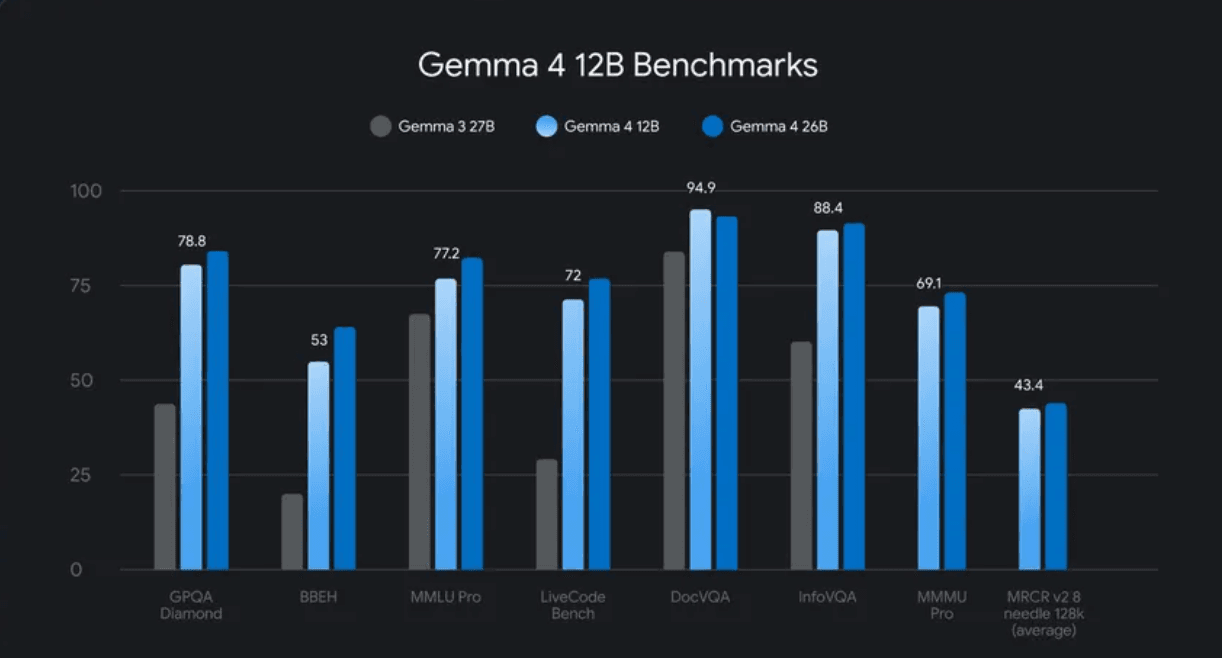
Gemma 4 12B Review: Multimodal AI on Your Laptop

Google Dreambeans Review: AI Cartoon Stories
NVIDIA Nemotron 3 Ultra: 550B MoE LLM Review
Meta AI Agent for Enterprises: Global Launch
Gemini Omni and 3.5: Google's Latest AI Models
Step 3.7 Flash Review: 198B MoE Vision-Language Model

Gemini Spark Review: Google's AI Agent Goes Personal
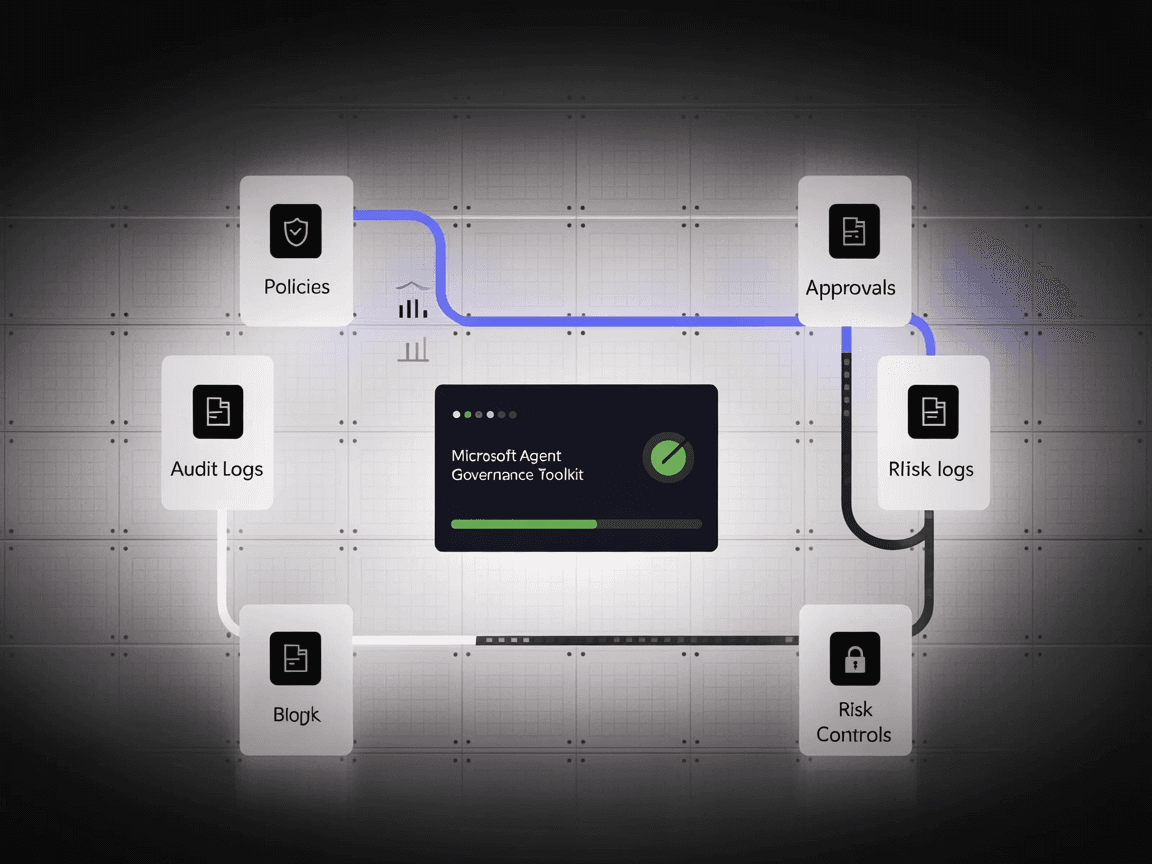
Microsoft Agent Governance Toolkit Review
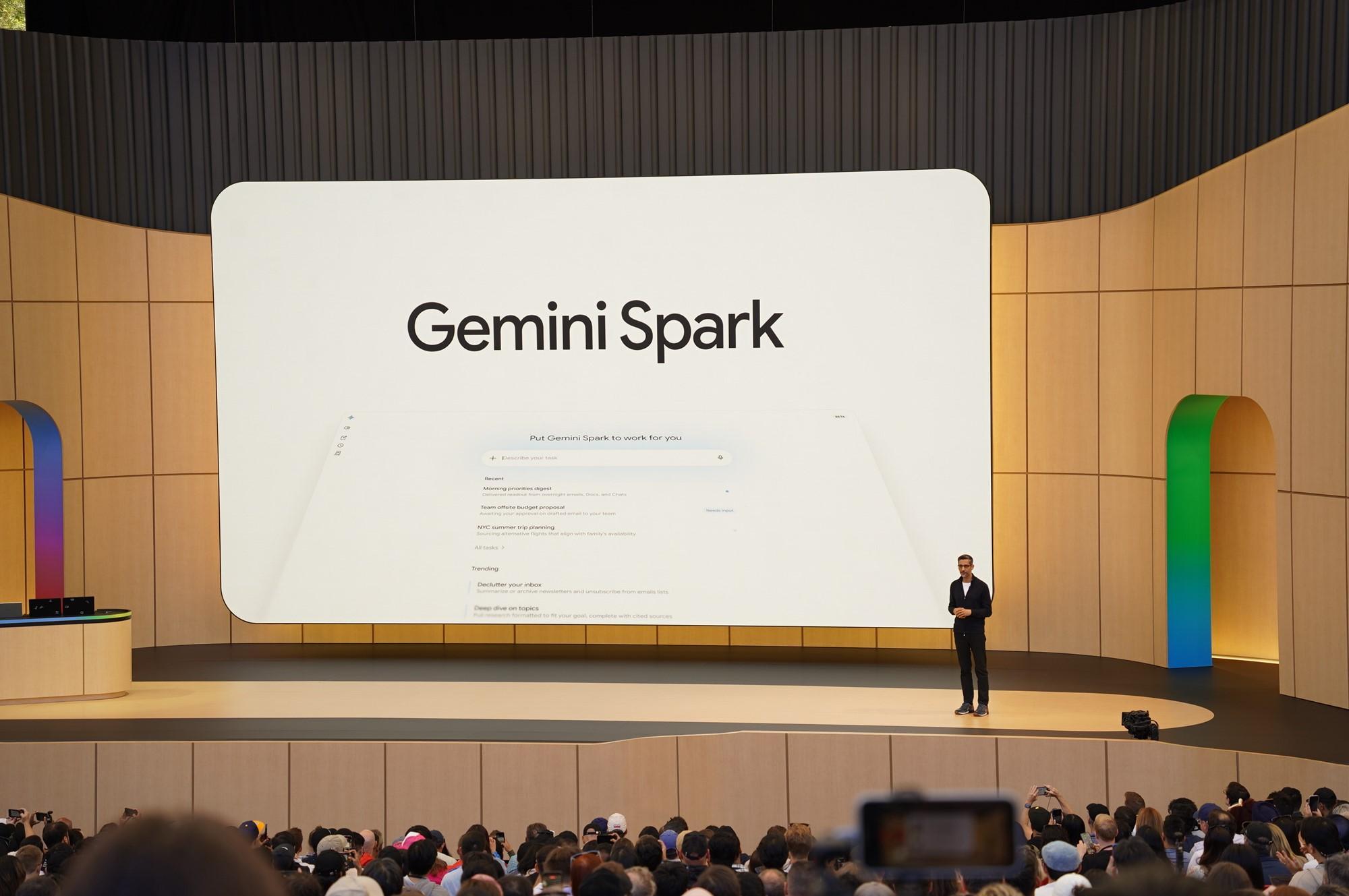
Gemini Spark AI Agent Review: Always-On Automation

MAI-Thinking-1 Review: Microsoft's Advanced Reasoning AI
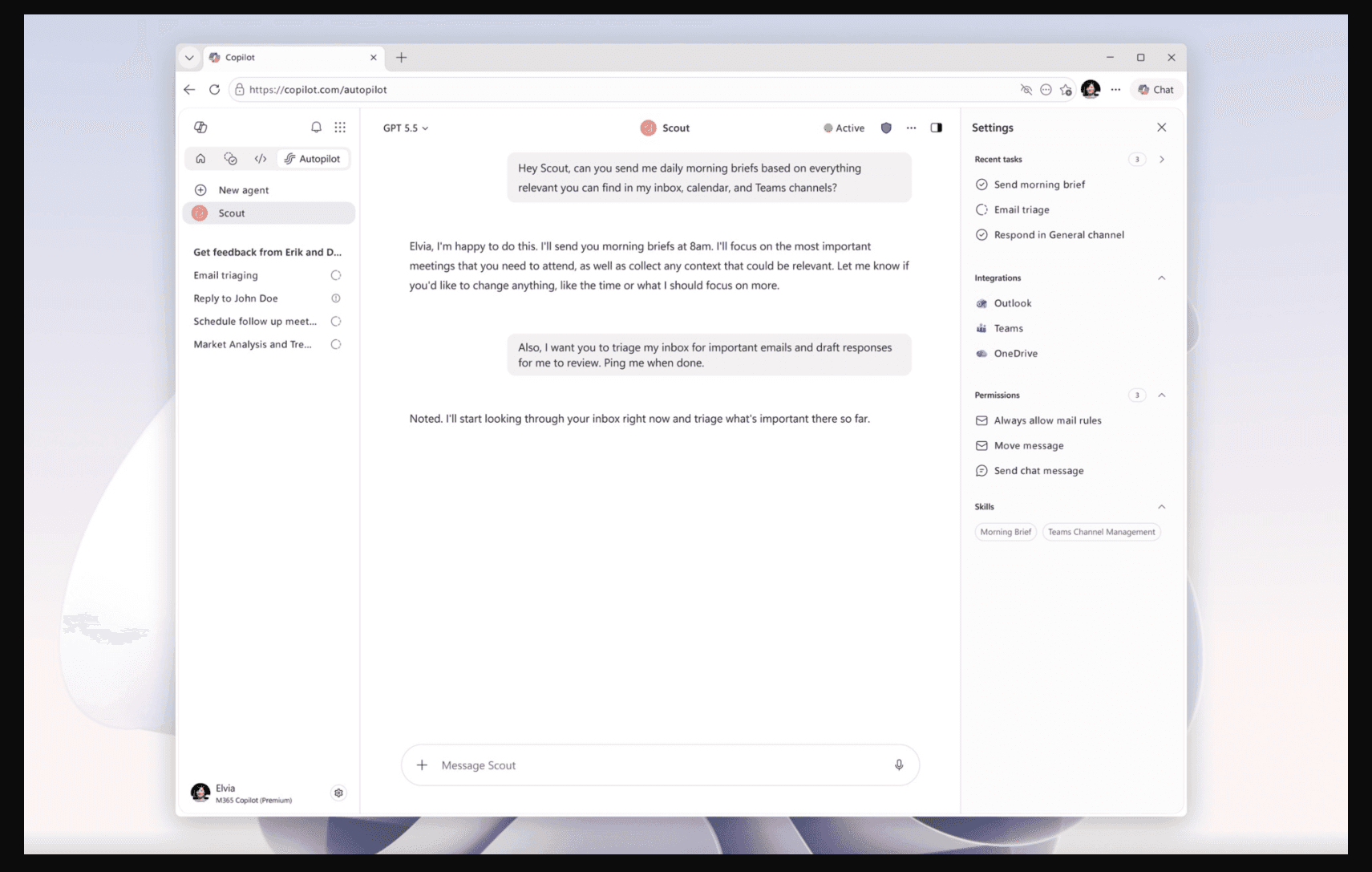
Microsoft Scout Review: OpenClaw-Powered AI Assistant

Microsoft MDASH Review: 100+ AI Agents for Threat Hunting

Google Phone App Fake Call Detection Review
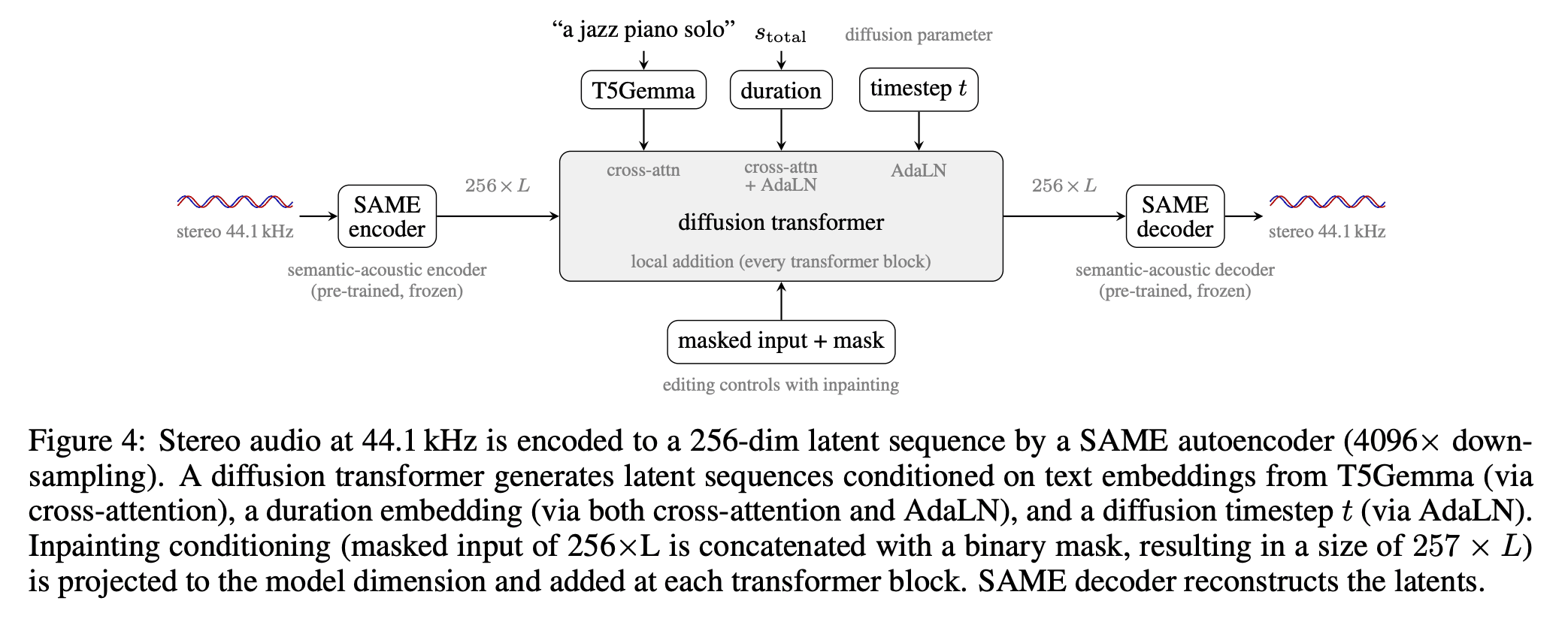
Stable Audio 3 Review: Fast AI Audio Generation
Claude Opus 4.8: Dynamic Workflows & Faster AI
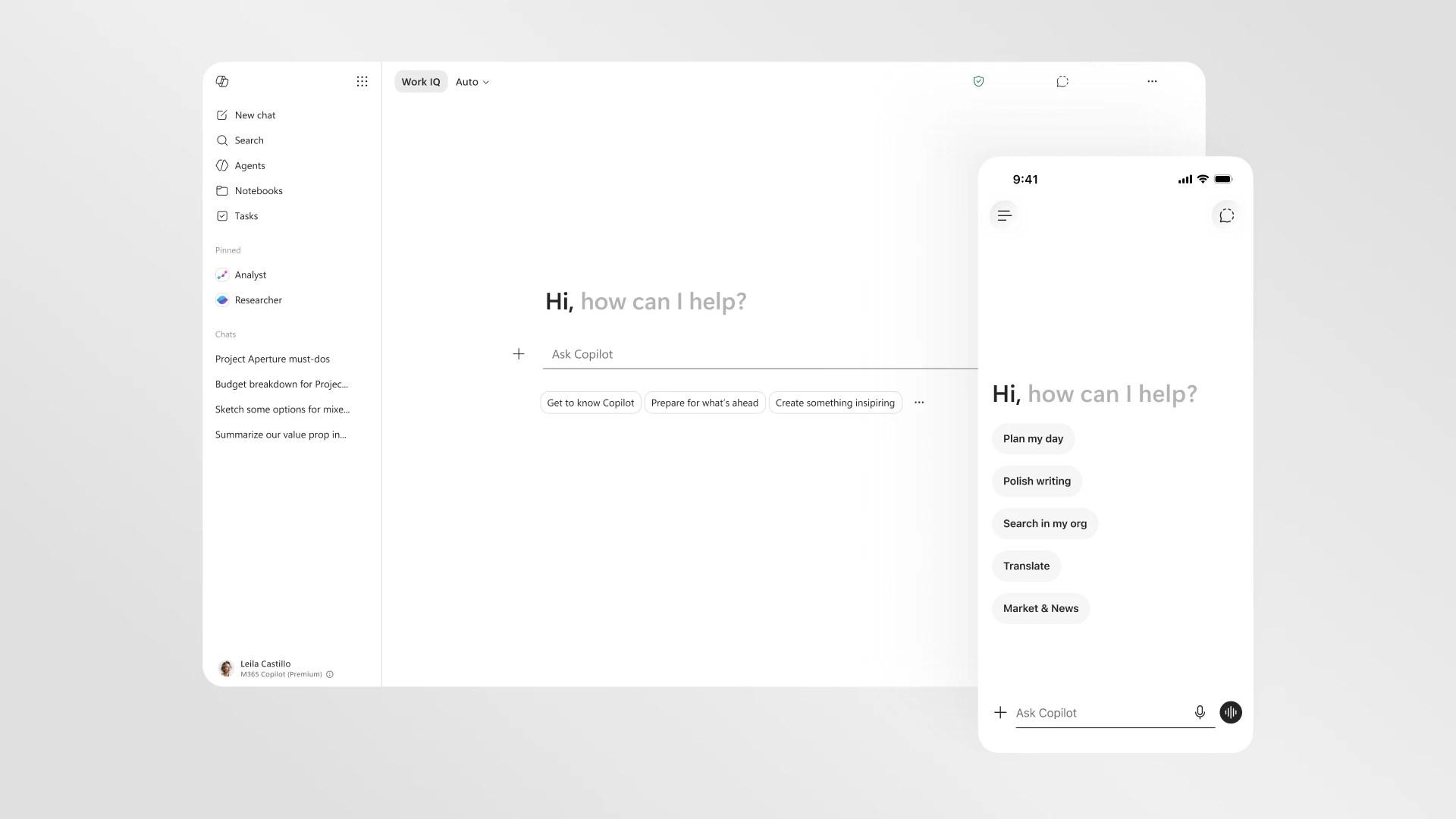
Microsoft 365 Copilot Redesign: 2x Speed Boost

Perplexity Bumblebee: AI Supply Chain Security Scanner

AWS OpenSearch Serverless Review: Enterprise Search Reimagined
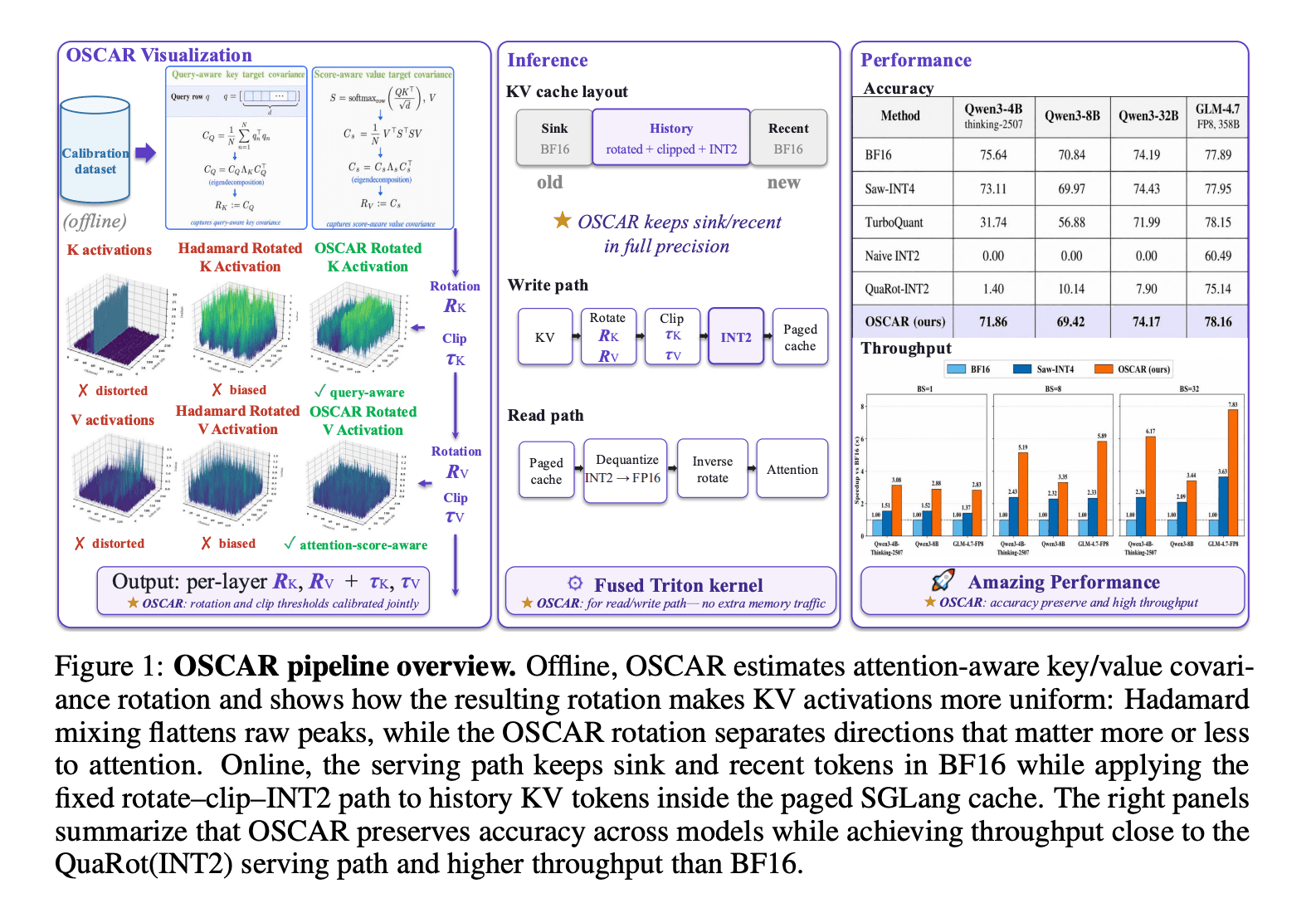
OSCAR: 2-Bit KV Cache Quantization for LLMs
You Might Like These Latest News
All AI NewsStay informed with the latest AI news, breakthroughs, trends, and updates shaping the future of artificial intelligence.
Microsoft Patches Zero-Day After Researcher Disclosure
Jun 10, 2026
NVIDIA GPUs Power Apple's Private Cloud Compute Expansion
Jun 10, 2026
GM Launches Vehicle-to-Grid Tech to Power AI Data Centers
Jun 10, 2026
Alphabet's $85B AI Investment Signals Major Shift
Jun 5, 2026
AI Cognitive Fatigue: Work Smarter, Not Harder
Jun 5, 2026
Nvidia Unveils Physical AI Research with Cosmos 3
Jun 5, 2026
Airbnb CEO Launches AI Lab to Build Custom LLMs
Jun 5, 2026
Anthropic's IPO Filing Balances Growth With Responsible AI
Jun 3, 2026
Meta's AI Chatbot Exploited to Hijack Instagram Accounts
Jun 3, 2026

Discover the top AI tools handpicked daily by our editors to help you stay ahead with the latest and most innovative solutions.