Join Our Community










Get the earliest access to hand-picked content weekly for free.
Spam-free guaranteed! Only insights.
Join Our Community
Get the earliest access to hand-picked content weekly for free.
Spam-free guaranteed! Only insights.

🎯 KEY TAKEAWAY
If you only take one thing from this, make it these.
In a surprising admission, OpenAI CEO Sam Altman has revealed that a critical design flaw is responsible for the persistent problem of AI hallucinations. This acknowledgment sheds new light on why chatbots like ChatGPT often generate convincing but factually incorrect information.
During a recent interview with Lex Fridman, Altman candidly admitted that OpenAI made a significant error in their approach to training large language models. The company's focus on training AI to predict the next word in a sequence, rather than prioritizing factual accuracy, has led to systems that sound confident but frequently fabricate information.
"That was a mistake," Altman stated plainly. This revelation is particularly significant as it comes from the leader of one of the most influential AI companies in the world, acknowledging a core limitation in their technology.
AI hallucinations occur when chatbots generate false information with the same confidence as factual responses. This issue has plagued AI systems since their inception, creating challenges for users who rely on these tools for accurate information.
The problem stems from how these models are fundamentally designed. By optimizing for predicting what words should come next in a sequence, rather than for factual correctness, the AI learns to produce plausible-sounding but potentially false information.
OpenAI isn't simply acknowledging the problem—they're actively working to solve it. Altman mentioned that the company is developing new approaches to reduce hallucinations in future AI models.
These efforts include exploring different training methodologies and creating systems that can better distinguish between factual knowledge and prediction-based responses. The goal is to develop AI that maintains its impressive capabilities while significantly improving accuracy.
FAQ
AI Spotlights
Unleashing Today's trailblazer, this week's game-changers, and this month's legends in AI. Dive in and discover tools that matter.

Claude Fable 5 Review: Mythos Power with Safety
Gemma 4 12B Review: Multimodal AI on Your Laptop

Google Dreambeans Review: AI Cartoon Stories
NVIDIA Nemotron 3 Ultra: 550B MoE LLM Review
Meta AI Agent for Enterprises: Global Launch
Gemini Omni and 3.5: Google's Latest AI Models

Step 3.7 Flash Review: 198B MoE Vision-Language Model

Gemini Spark Review: Google's AI Agent Goes Personal
Microsoft Agent Governance Toolkit Review
Gemini Spark AI Agent Review: Always-On Automation

MAI-Thinking-1 Review: Microsoft's Advanced Reasoning AI
Microsoft Scout Review: OpenClaw-Powered AI Assistant

Microsoft MDASH Review: 100+ AI Agents for Threat Hunting

Google Phone App Fake Call Detection Review
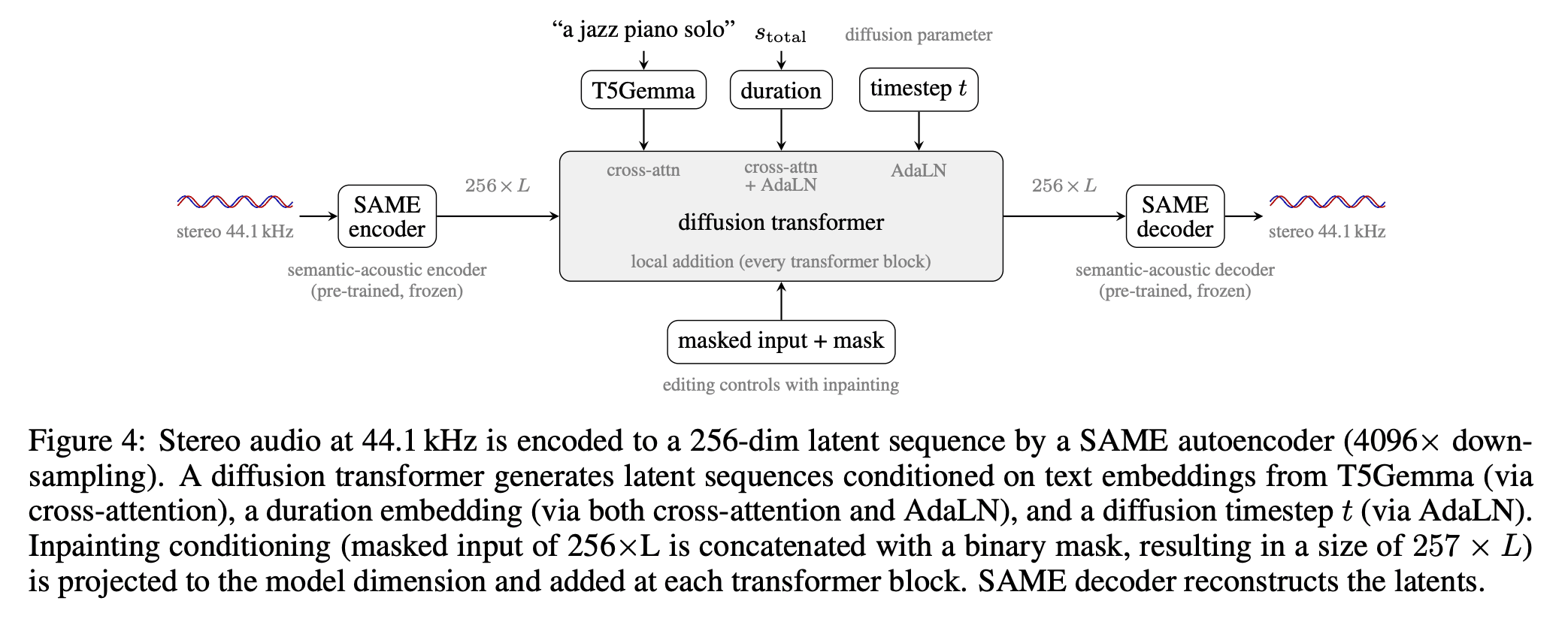
Stable Audio 3 Review: Fast AI Audio Generation
Claude Opus 4.8: Dynamic Workflows & Faster AI
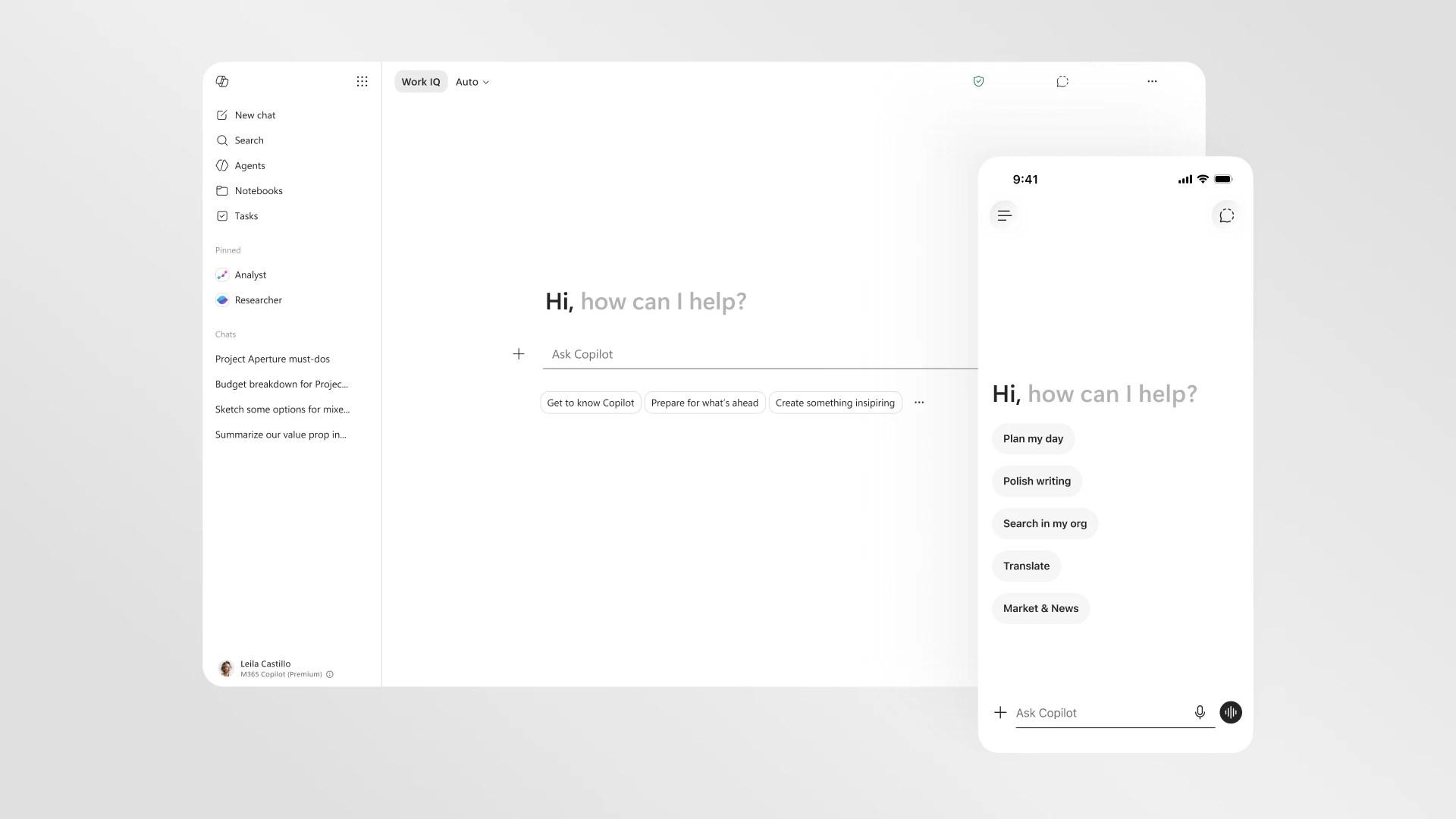
Microsoft 365 Copilot Redesign: 2x Speed Boost

Perplexity Bumblebee: AI Supply Chain Security Scanner

AWS OpenSearch Serverless Review: Enterprise Search Reimagined
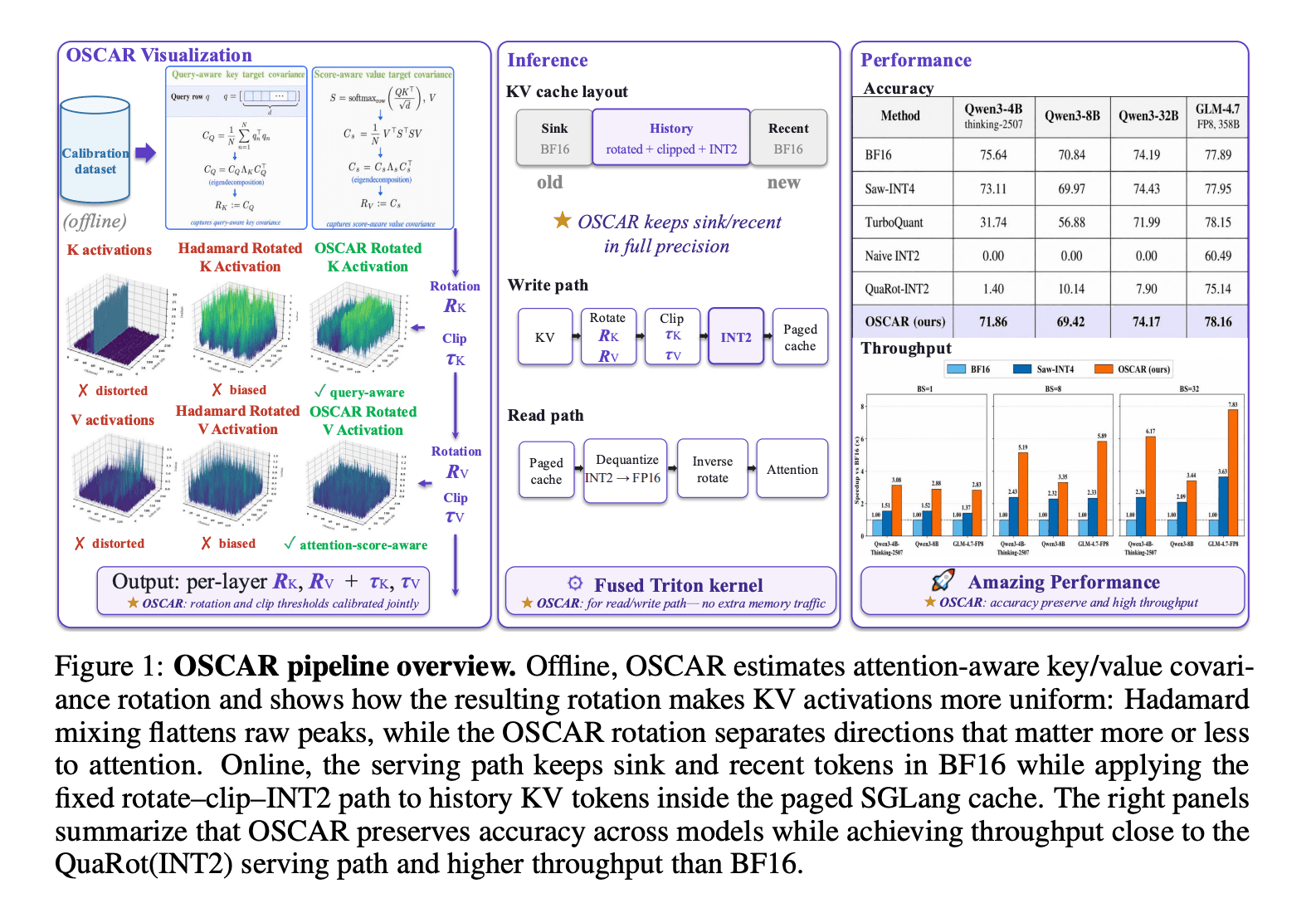
OSCAR: 2-Bit KV Cache Quantization for LLMs
You Might Like These Latest News
All AI NewsStay informed with the latest AI news, breakthroughs, trends, and updates shaping the future of artificial intelligence.
Microsoft Patches Zero-Day After Researcher Disclosure
Jun 10, 2026
NVIDIA GPUs Power Apple's Private Cloud Compute Expansion
Jun 10, 2026
GM Launches Vehicle-to-Grid Tech to Power AI Data Centers
Jun 10, 2026
Alphabet's $85B AI Investment Signals Major Shift
Jun 5, 2026
AI Cognitive Fatigue: Work Smarter, Not Harder
Jun 5, 2026
Nvidia Unveils Physical AI Research with Cosmos 3
Jun 5, 2026
Airbnb CEO Launches AI Lab to Build Custom LLMs
Jun 5, 2026
Anthropic's IPO Filing Balances Growth With Responsible AI
Jun 3, 2026
Meta's AI Chatbot Exploited to Hijack Instagram Accounts
Jun 3, 2026

Discover the top AI tools handpicked daily by our editors to help you stay ahead with the latest and most innovative solutions.