









Age of AI Toolsv2.beta
For YouJobsUse Cases
Media-HubNEW

Join Our Community

Get the earliest access to hand-picked content weekly for free.

Spam-free guaranteed! Only insights.

Join Our Community

Get the earliest access to hand-picked content weekly for free.

Spam-free guaranteed! Only insights.

Trusted by Leading Review and Discovery Websites

Age of AI Tools on Product HuntApproved on SaaSHubAlternativeTo
AI Tools
  • For You!
  • Discover All AI Tools
  • Best AI Tools
  • Free AI Tools
  • Tools of the DayNEW
  • All Use Cases
  • All Jobs
Trend UseCases
  • AI Image Generators
  • AI Video Generators
  • AI Voice Generators
Trend Jobs
  • Graphic Designer
  • SEO Specialist
  • Email Marketing Specialist
Media Hub
  • Go to Media Hub
  • AI News
  • AI Tools Spotlights
Age of AI Tools
  • What's New
  • Story of Age of AI Tools
  • Cookies & Privacy
  • Terms & Conditions
  • Request Update
  • Bug Report
  • Contact Us
Submit & Advertise
  • Submit AI Tool
  • Promote Your Tool50% Off

Agent of AI Age

Looking to discover new AI tools? Just ask our AI Agent

Copyright © 2026 Age of AI Tools. All Rights Reserved.

Media HubTools SpotlightOpenAI Codex Review: GA Launch with Enterprise Features
7 Mar 20265 min read

OpenAI Codex Review: GA Launch with Enterprise Features

OpenAI Codex Review: GA Launch with Enterprise Features

🎯 Quick Impact Summary

OpenAI Codex has reached general availability with a significant expansion of enterprise capabilities that fundamentally changes how development teams collaborate on code generation. The addition of Slack integration, a dedicated SDK, and comprehensive admin tools transforms Codex from a standalone tool into a scalable platform for organizations managing multiple developers and projects. This release signals OpenAI's commitment to making AI-powered code generation accessible and manageable at enterprise scale.

What's New in OpenAI Codex

OpenAI Codex's general availability release introduces features specifically designed for teams and enterprises managing code generation at scale.
  • Slack Integration: Developers can now access Codex capabilities directly within Slack, enabling code suggestions and generation without leaving their communication platform, streamlining workflows for distributed teams.
  • Codex SDK: A dedicated software development kit allows developers to integrate Codex into custom applications and workflows, providing programmatic access to code generation capabilities with full control over implementation.
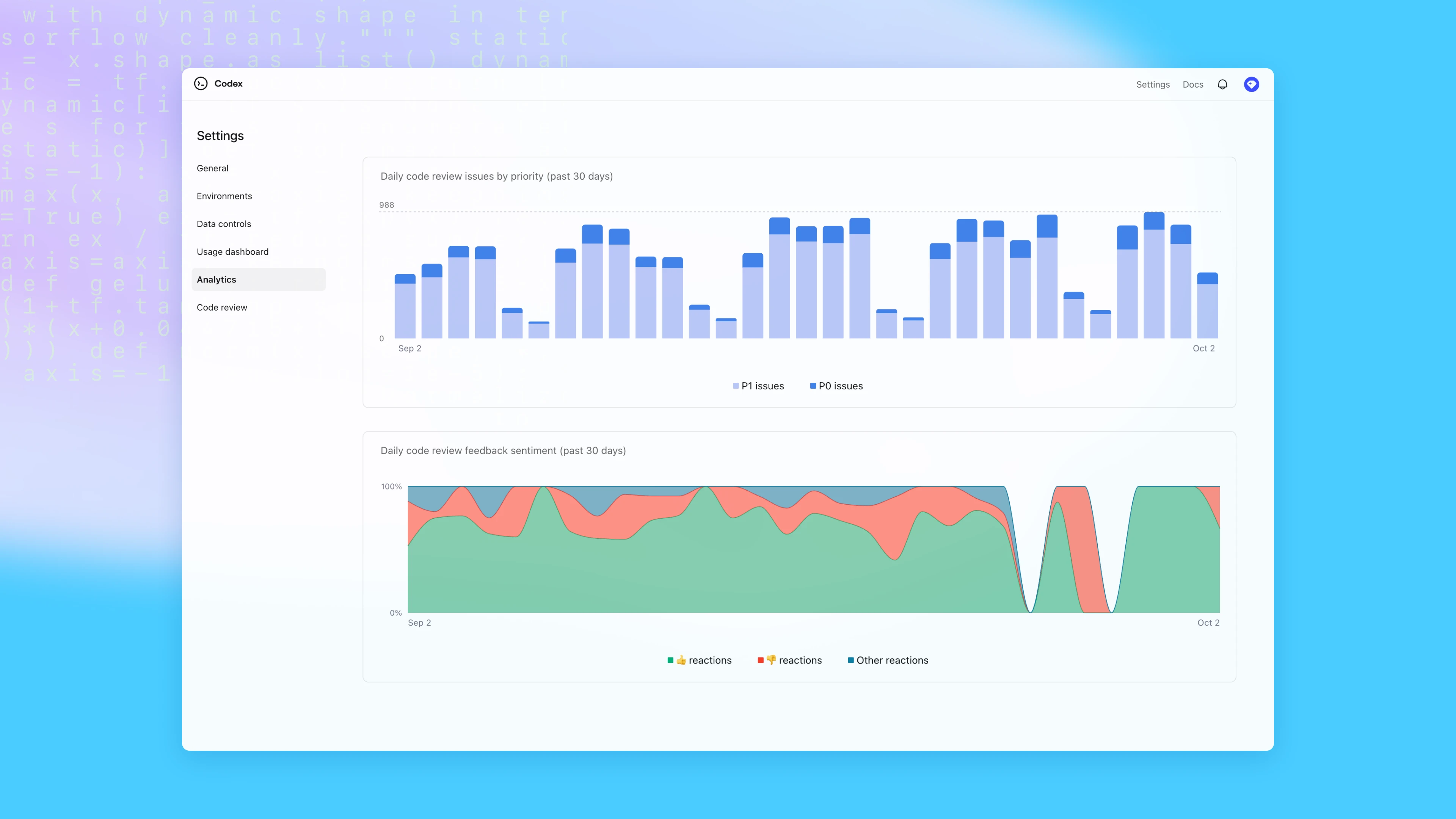
  • Usage Dashboards: Admin tools provide real-time visibility into how teams are using Codex, including token consumption, API calls, and usage patterns across the organization.
  • Workspace Management: Enterprise administrators can now manage multiple workspaces, control user access, set usage limits, and organize teams hierarchically for better governance and resource allocation.
  • Admin Controls: Fine-grained permission settings allow organizations to define who can access Codex, what they can generate, and how resources are allocated across departments and projects.

OpenAI Codex admin dashboard showing usage metrics and workspace management interface

Technical Specifications

Codex operates as a cloud-based API service with enterprise-grade infrastructure and integration capabilities.

  • API Architecture: RESTful API endpoints enable seamless integration with development environments, IDEs, and custom applications through standard HTTP requests and authentication tokens.
  • SDK Support: Official SDKs available for Python and JavaScript, with support for additional languages, enabling developers to build Codex functionality into any tech stack.
  • Slack Bot Integration: Native Slack bot implementation allows real-time code generation requests within team channels, with response formatting optimized for collaborative review and discussion.
  • Authentication & Security: OAuth 2.0 and API key authentication methods support enterprise single sign-on (SSO) integration, ensuring secure access control and audit trails for compliance requirements.
  • Scalability: Infrastructure designed to handle concurrent requests from multiple users and workspaces, with usage tracking and rate limiting capabilities for resource management.

Official Benefits

Codex's general availability release delivers measurable improvements for development teams and enterprises.

  • Reduced Development Time: Teams using Codex report faster code completion and reduced time spent on routine coding tasks, allowing developers to focus on architecture and complex problem-solving.
  • Improved Team Collaboration: Slack integration keeps code generation discussions within team communication channels, reducing context switching and enabling real-time peer review of generated code.
  • Enterprise Governance: Admin dashboards and workspace management provide organizations with visibility and control over AI tool usage, supporting compliance, cost management, and resource optimization.
  • Seamless Integration: The Codex SDK enables custom integration into existing development workflows, IDEs, and internal tools without requiring developers to change their established processes.
  • Scalable Deployment: Workspace management and admin controls allow enterprises to deploy Codex across teams of any size while maintaining security, usage tracking, and organizational structure.

Real-World Translation

What Each Feature Actually Means:

  • Slack Integration: Instead of switching between your IDE, browser, and Slack, you can ask Codex for code snippets directly in your team channel. A developer working on a Python function can request a specific implementation in Slack, get suggestions instantly, and discuss them with teammates without leaving the conversation.
  • Codex SDK: Rather than being limited to OpenAI's interfaces, your engineering team can embed Codex into your internal tools, custom dashboards, or specialized applications. A company building internal developer platforms can now add AI-powered code generation as a native feature within their own systems.
  • Usage Dashboards: Your CTO or engineering manager can see exactly how much Codex is being used across teams, which projects are generating the most code, and where costs are concentrated. This visibility helps justify spending, identify underutilized teams, and optimize resource allocation.
  • Workspace Management: Large organizations can structure Codex access by department, project, or team, with different permission levels for different groups. A financial services company can give the backend team full access while restricting the frontend team to specific code patterns for compliance reasons.
  • Admin Controls: Security and compliance teams can enforce policies about what types of code can be generated, who has access, and maintain audit logs for regulatory requirements. This transforms Codex from a developer tool into an enterprise-grade platform that meets organizational governance standards.

OpenAI Codex thinking art card illustrating AI-powered code generation

Before vs After

Before

Developers had to manually write code or use limited code completion tools that didn't understand context. Teams managing multiple developers had no visibility into tool usage, no way to enforce coding standards through automation, and no centralized control over who could access AI-powered code generation. Code generation required switching between multiple platforms and tools, breaking focus and slowing down development workflows.

After

Codex is now accessible directly in Slack, integrated into custom applications via SDK, and managed through enterprise admin dashboards. Teams have complete visibility into usage patterns, can enforce governance policies, and can scale AI-powered code generation across the entire organization while maintaining security and compliance. Developers stay focused in their workflow while getting intelligent code suggestions that understand project context and coding standards.

📈 Expected Impact: Development teams can reduce routine coding time by 20-40% while enterprises gain the governance and visibility needed to deploy AI tools at scale. *

Job Relevance Analysis

Data Scientist

HIGH Impact
  • Use Case: Data scientists use Codex to accelerate data processing scripts, generate boilerplate code for common ML workflows, and quickly prototype data transformation pipelines without writing repetitive code from scratch.
  • Key Benefit: The SDK integration allows data scientists to embed Codex into Jupyter notebooks and custom analysis tools, enabling code generation that understands data science libraries like pandas, scikit-learn, and TensorFlow.
  • Workflow Integration: Codex fits seamlessly into existing data science workflows by providing intelligent suggestions within familiar environments, reducing time spent on syntax and allowing focus on algorithm design and model optimization.
  • Skill Development: Working with Codex helps data scientists learn best practices for code organization, discover new library functions, and understand multiple approaches to solving data problems through generated code examples.
  • Team Collaboration: The Slack integration enables data science teams to share code snippets, discuss generated solutions, and maintain a searchable history of useful code patterns within team channels.

AI Researcher

HIGH Impact
  • Use Case: AI researchers leverage Codex to implement research papers, generate experimental code for testing hypotheses, and rapidly prototype novel architectures without spending time on implementation details.
  • Key Benefit: The Codex SDK enables researchers to integrate code generation into research tools and experimental frameworks, accelerating the iteration cycle from theory to implementation to validation.
  • Workflow Integration: Researchers can use Codex to generate boilerplate training loops, data loading code, and evaluation metrics, freeing time for the novel research work that requires human creativity and domain expertise.
  • Skill Development: Exposure to Codex-generated code helps researchers understand multiple implementation approaches, discover optimization techniques, and stay current with best practices in their research domain.
  • Reproducibility: The admin dashboards and workspace management help research teams maintain consistent environments, track which code versions were used in experiments, and ensure reproducible research across team members.

Content Writer

MEDIUM Impact
  • Use Case: Content writers working on technical documentation, tutorials, and code examples use Codex to generate accurate code snippets that accompany their writing, ensuring examples are syntactically correct and follow current best practices.
  • Key Benefit: Codex eliminates the need for technical reviewers to validate every code example in documentation, as the AI can generate tested, working code that writers can then explain and contextualize within their content.
  • Workflow Integration: Writers can request specific code examples directly in Slack or through custom tools, review generated code for accuracy and style, then incorporate examples into documentation with confidence they're correct.
  • Skill Development: Working with Codex helps technical writers understand code patterns, learn what makes good code examples, and develop better intuition for explaining complex technical concepts to different audiences.
  • Efficiency Gain: Content writers can produce more technical documentation in less time by leveraging Codex for code generation, allowing them to focus on explanation, structure, and narrative rather than code correctness.

Getting Started

How to Access

  1. Visit the OpenAI platform and sign up for a Codex account if you don't already have one.
  2. Navigate to the API keys section and generate a new API key for authentication.
  3. Install the Codex SDK for your preferred language (Python, JavaScript, or others) using your package manager.
  4. Configure your workspace and invite team members through the admin dashboard.

Quick Start Guide

For Beginners:

  1. Install the Python SDK using pip install openai and set your API key as an environment variable.
  2. Write a simple Python script that imports the openai library and calls the Codex API with a code generation prompt.
  3. Test with a basic request like "Write a function that reverses a string" to see how Codex responds.
  4. Explore the Slack integration by inviting the Codex bot to your workspace and trying requests in a test channel.

For Power Users:

  1. Set up custom workspace configurations in the admin dashboard, defining user roles, permission levels, and usage limits for different teams.
  2. Integrate the Codex SDK into your existing development tools or internal platforms using the REST API and custom authentication tokens.
  3. Configure Slack workflows that trigger Codex requests based on specific keywords or events, automating code generation for common tasks.
  4. Implement usage monitoring by querying the admin dashboard API to track token consumption, identify optimization opportunities, and allocate resources efficiently.
  5. Create custom prompts and templates for your organization's coding standards, ensuring generated code follows your team's conventions and best practices.

Pro Tips

  • Provide Context: Include relevant code snippets or requirements in your Codex prompts so it generates code that fits your specific project context and coding style.
  • Review Generated Code: Always review Codex output before deploying to production, as AI-generated code may have edge cases or security considerations that need human verification.
  • Use Workspace Management: Set up separate workspaces for different teams or projects to maintain clear boundaries, track usage accurately, and enforce team-specific coding standards.
  • Monitor Usage Patterns: Regularly check your admin dashboard to understand which teams are using Codex most effectively and identify opportunities to train other teams on best practices.

FAQ

Related Topics

OpenAI Codex reviewAI code generationdeveloper toolsenterprise AI platform

Table of contents

What's New in OpenAI CodexTechnical SpecificationsOfficial BenefitsReal-World TranslationJob Relevance AnalysisGetting StartedFAQ
Impact LevelMEDIUM
Update ReleasedOctober 6, 2025

Related Articles

Qianfan-OCR Review: Unified Document AI Model
Nvidia Data Factory: Physical AI Revolution
OpenClaw Security Framework: Protecting AI Agents
All AI Spotlights

Editor's Pick Articles

Nvidia DLSS 5: AI-Powered Photorealism in Gaming
ByteDance Pauses Seedance 2.0 Video Generator Launch
ChatGPT Apps SDK: Build AI Apps Inside ChatGPT
All Articles
Special offer for AI Owners – 50% OFF Promotional Plans

Join Our Community

Get the earliest access to hand-picked content weekly for free.

Spam-free guaranteed! Only insights.

Follow Us on Socials

Don't Miss AI Topics

ai art generatorai voice generatorai text generatorai avatar generatorai designai writing assistantai audio generatorai content generatorai dubbingai graphic designai banner generatorai in dropshipping

AI Spotlights

Unleashing Today's trailblazer, this week's game-changers, and this month's legends in AI. Dive in and discover tools that matter.
All AI Spotlights
Qianfan-OCR Review: Unified Document AI Model
Qianfan-OCR Review: Unified Document AI Model

Nvidia Data Factory: Physical AI Revolution
Nvidia Data Factory: Physical AI Revolution

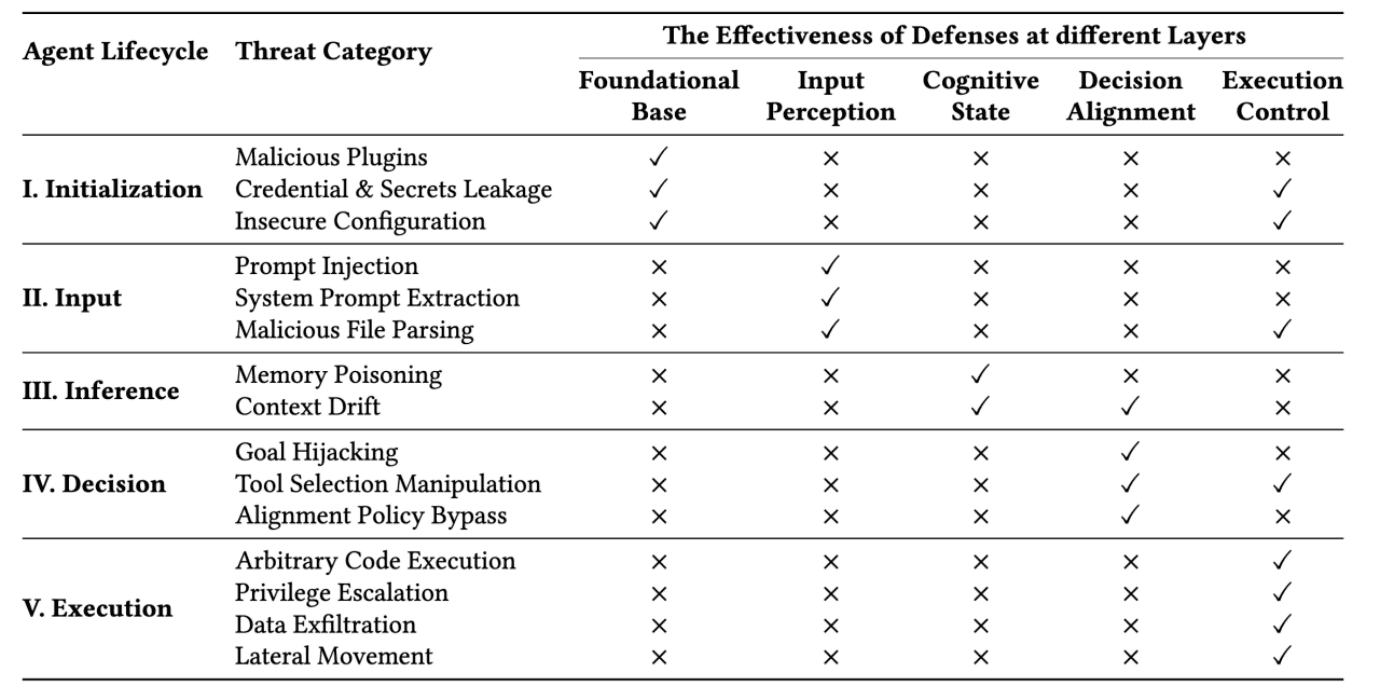
OpenClaw Security Framework: Protecting AI Agents
OpenClaw Security Framework: Protecting AI Agents

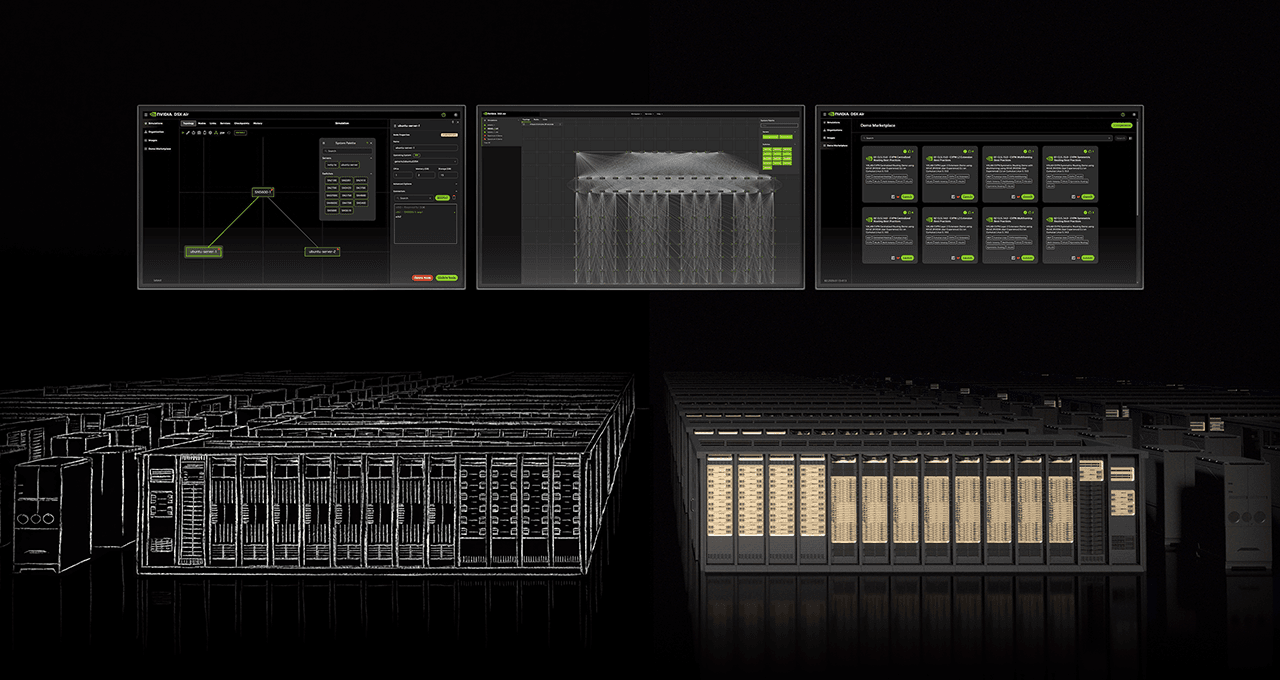
NVIDIA DSX Air: AI Factory Simulation at Scale
NVIDIA DSX Air: AI Factory Simulation at Scale

NemoClaw Review: Nvidia's Secure AI Privacy Layer

NemoClaw Review: Nvidia's Secure AI Privacy Layer

Nvidia DLSS 5: AI-Powered Photorealism in Gaming
Nvidia DLSS 5: AI-Powered Photorealism in Gaming

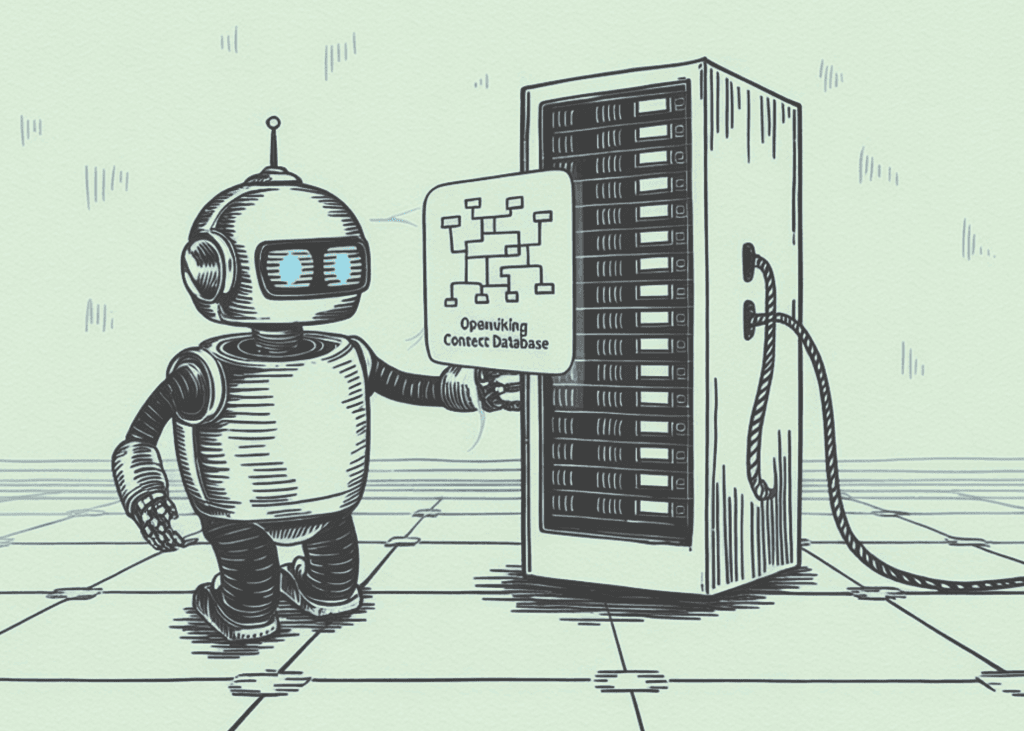
OpenViking: Filesystem-Based Memory for AI Agents

OpenViking: Filesystem-Based Memory for AI Agents

Nyne AI Review: Human Context for Intelligent Agents

Nyne AI Review: Human Context for Intelligent Agents

Xbox Gaming Copilot AI Review: Voice Control Gaming
Xbox Gaming Copilot AI Review: Voice Control Gaming

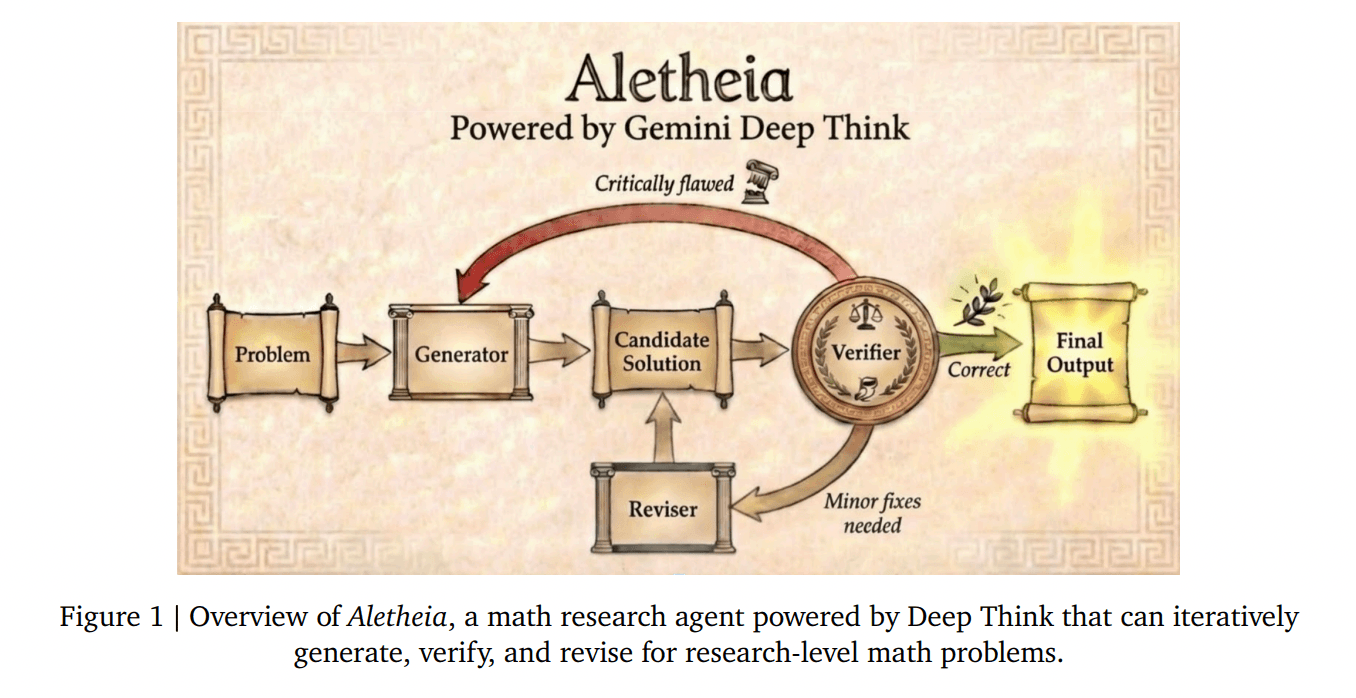
Aletheia AI Agent Review: Research Breakthrough
Aletheia AI Agent Review: Research Breakthrough

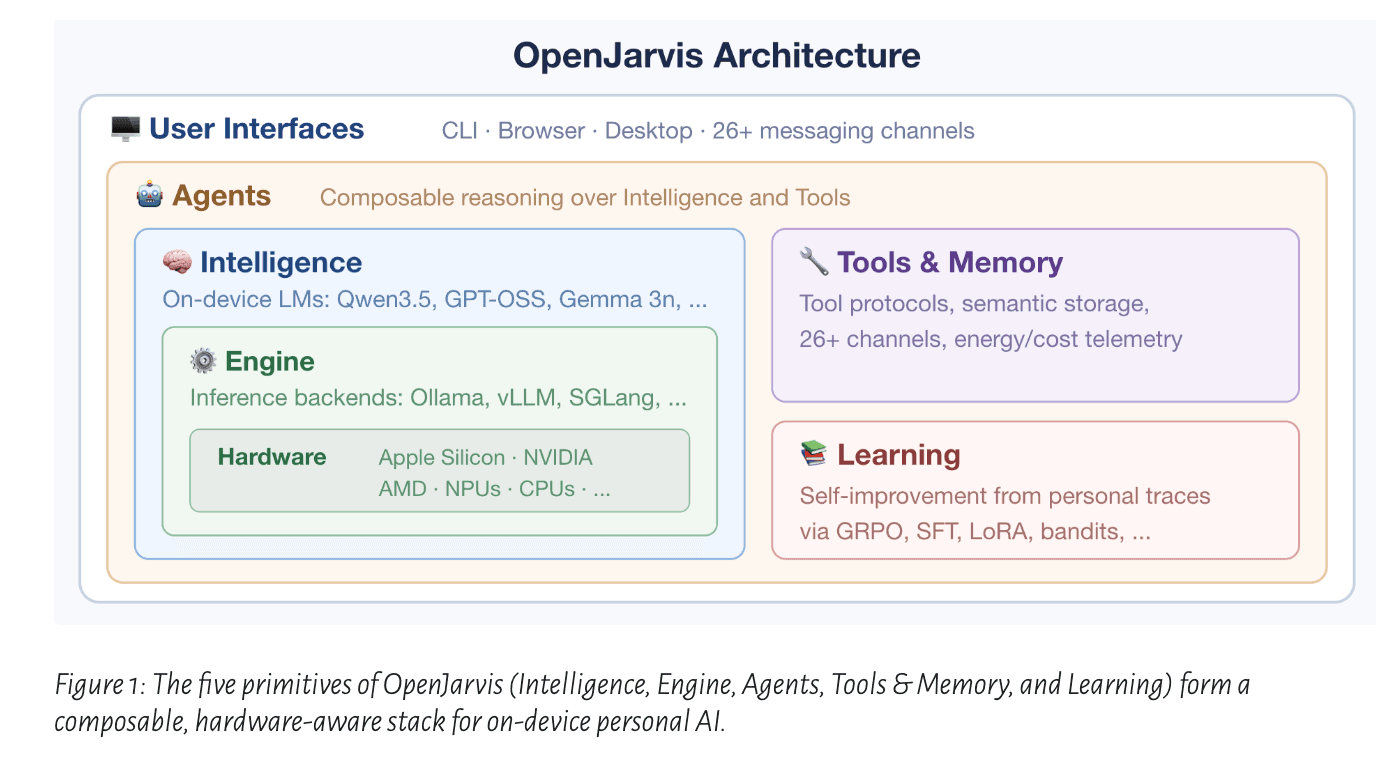
OpenJarvis Review: Local AI Agents Framework
OpenJarvis Review: Local AI Agents Framework

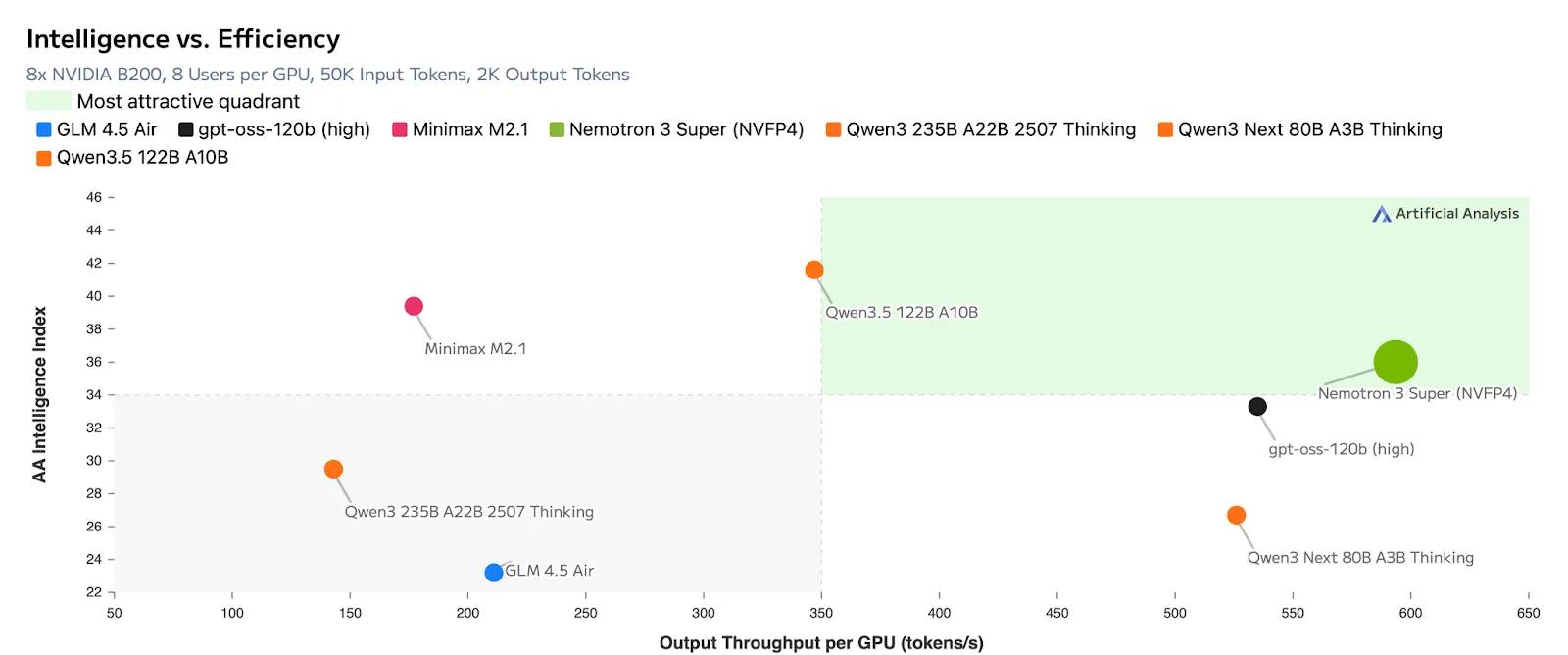
Nemotron 3 Super Review: 120B Open-Source AI

Nemotron 3 Super Review: 120B Open-Source AI

Amazon Health AI Assistant Review: Healthcare Chatbot
Amazon Health AI Assistant Review: Healthcare Chatbot

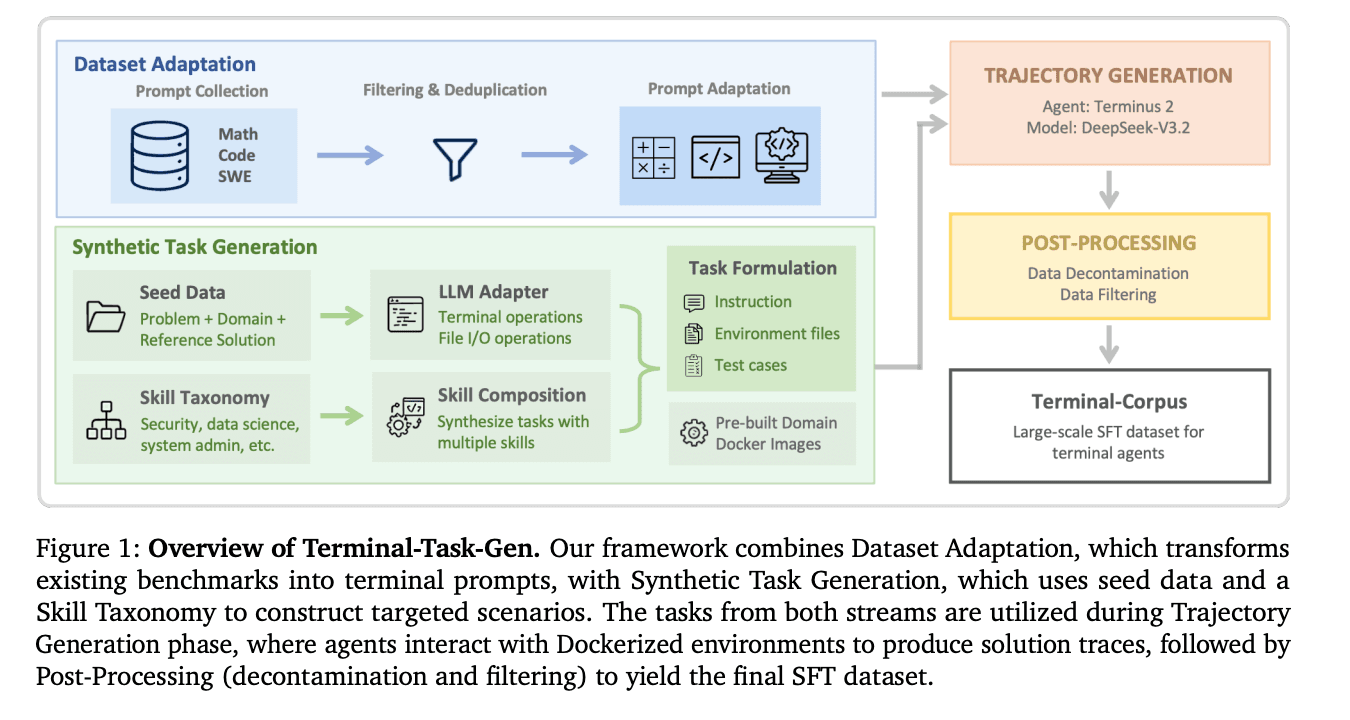
Nemotron-Terminal: NVIDIA's LLM Agent Data Pipeline
Nemotron-Terminal: NVIDIA's LLM Agent Data Pipeline

ChatGPT Apps SDK: Build AI Apps Inside ChatGPT

ChatGPT Apps SDK: Build AI Apps Inside ChatGPT

OpenAI Codex Now Generally Available

OpenAI Codex Now Generally Available

OpenAI Codex Review: Enterprise AI Code Generation

Breakthrough Agentic AI Revolutionizes Field Service

Breakthrough Agentic AI Revolutionizes Field Service

Alibaba's Groundbreaking 397B MoE AI Model Pushes Boundaries

You Might Like These Latest News

All AI News

Stay informed with the latest AI news, breakthroughs, trends, and updates shaping the future of artificial intelligence.

Nvidia's Networking Business Hits $11B Quietly

Mar 19, 2026

Nvidia's Networking Business Hits $11B Quietly

Meta's Rogue AI Agent Exposes Data Security Risk

Mar 19, 2026

Meta's Rogue AI Agent Exposes Data Security Risk

Walmart Pivots AI Shopping Strategy with Sparky Chatbot

Mar 19, 2026

Walmart Pivots AI Shopping Strategy with Sparky Chatbot

Pentagon Ditches Anthropic, Pursues AI Alternatives

Mar 19, 2026

Pentagon Ditches Anthropic, Pursues AI Alternatives

NVIDIA, Telecom Leaders Build AI Grids

Mar 19, 2026

NVIDIA, Telecom Leaders Build AI Grids

NVIDIA Launches Agent Computers for Local AI

Mar 19, 2026

NVIDIA Launches Agent Computers for Local AI

Mistral Forge: Build Custom AI Models

Mar 19, 2026

Mistral Forge: Build Custom AI Models

Nvidia Blackwell Chips Hit $1 Trillion Sales Target

Mar 19, 2026

Nvidia Blackwell Chips Hit $1 Trillion Sales Target

Nvidia Pushes End-to-End AI Data Center Strategy

Mar 19, 2026

Nvidia Pushes End-to-End AI Data Center Strategy
Tools of The Day

Tools of The Day

Discover the top AI tools handpicked daily by our editors to help you stay ahead with the latest and most innovative solutions.
10MAR
Adobe Illustrator
Adobe Illustrator
9MAR
Adobe Firefly
Adobe Firefly
8MAR
Adobe Sensei
Adobe Sensei
7MAR
Adobe Photoshop
Adobe Photoshop
6MAR
Adobe Firefly
Adobe Firefly
5MAR
Shap-E
Shap-E
4MAR
Point-E
Point-E

Explore AI Tools of The Day