
🎯 KEY TAKEAWAY
If you only take one thing from this, make it these.
Hide
- Meta is reportedly developing facial recognition features for its Ray-Ban smart glasses, including a “name tag” function that identifies people
- Privacy advocates are sounding alarms about potential surveillance and consent issues with always-on camera devices
- The technology could automatically identify strangers by cross-referencing their faces with social media or public databases
- No official launch date has been announced, but the development signals Meta’s push into AI-powered wearables
- This raises immediate concerns about biometric data collection in public spaces and bystander privacy rights
Meta Faces Privacy Backlash Over Facial Recognition Smart Glasses
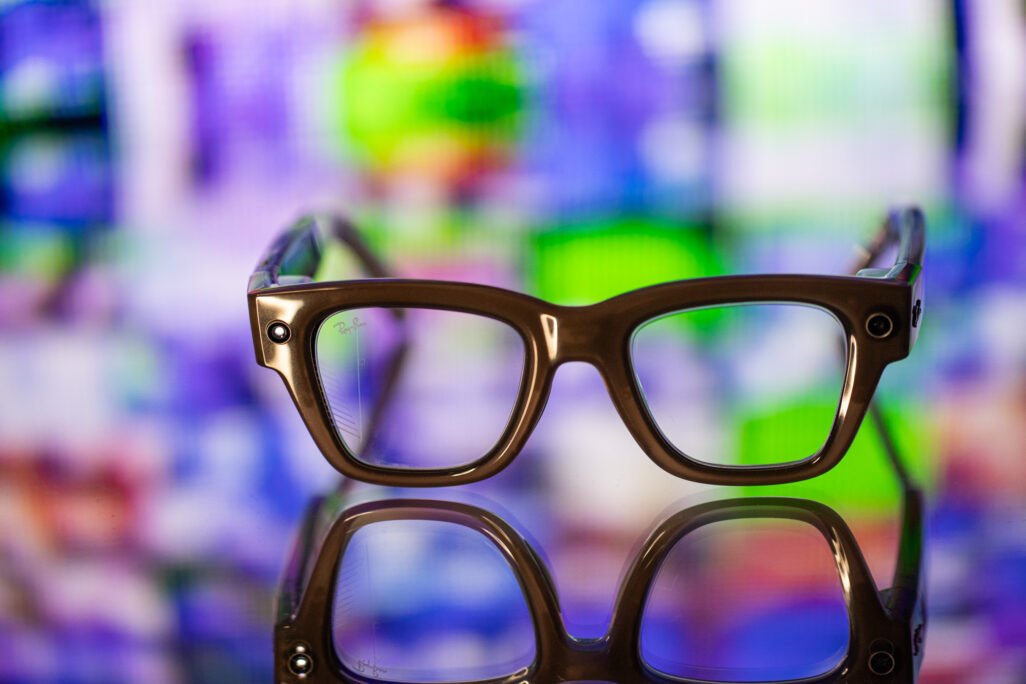
Meta is reportedly developing facial recognition capabilities for its Ray-Ban smart glasses that could automatically identify people by name. According to a report from Business Insider, the feature would work as a “name tag” overlay, displaying someone’s identity if recognized through the glasses’ camera. The development has sparked immediate backlash from privacy advocates who warn this could enable mass surveillance without consent. Meta has not officially announced any such feature, but the report suggests the technology is being actively explored internally.
Reported Features and Technical Capabilities
The facial recognition system under development would reportedly leverage Meta’s extensive social media databases to match faces with profiles:
Potential Features:
- Name tag overlay: Glasses wearers could see identifying information about recognized individuals
- Social media integration: System would cross-reference faces with Facebook and Instagram profiles
- Real-time identification: Continuous scanning of people in the wearer’s field of view
- Database access: Potential connection to public records or broader face databases
Privacy Concerns:
- Consent issues: Bystanders cannot opt-out of being scanned
- Surveillance potential: Enables tracking and monitoring in public spaces
- Data security: Biometric information vulnerable to breaches
- Function creep: Features could expand beyond initial use cases
Why Privacy Advocates Are Concerned
Civil liberties groups immediately raised red flags about the implications of always-on facial recognition:
Key Issues:
- Lack of regulation: No federal law governs facial recognition use by private individuals
- Chilling effects: People may avoid public spaces if subject to constant identification
- Misidentification risks: Facial recognition systems have higher error rates for women and people of color
- Commercial exploitation: Personal data could be used for targeted advertising
Advocates’ Position:
- Immediate halt: Groups call for pausing development until regulations exist
- Consent requirement: People should explicitly opt-in to being identified
- Transparency: Clear disclosure when facial recognition is active
- Accountability: Legal consequences for misuse
What Happens Next
Meta has not confirmed whether this feature will actually launch, and the company may be exploring the technology without committing to release. If developed further, the feature would likely face regulatory scrutiny in the EU and potentially some US states with biometric privacy laws. Privacy advocates are already mobilizing to push for legislation that would ban or strictly limit such capabilities. The controversy highlights the ongoing tension between AI innovation and individual privacy rights in wearable technology.
Conclusion
Meta’s reported development of facial recognition for smart glasses represents a flashpoint in the debate over AI-powered surveillance and personal privacy. While the technology could offer convenience for users, it raises profound questions about consent, autonomy, and the right to anonymity in public spaces.
The backlash from privacy advocates demonstrates growing public resistance to biometric tracking technologies. Whether Meta moves forward with these features may depend on regulatory developments and public sentiment. For now, the controversy serves as a warning about the privacy implications of embedding AI surveillance capabilities into everyday wearables.
Consumers interested in smart glasses should watch for official announcements from Meta and consider their own privacy comfort levels before purchasing devices with always-on cameras. The debate over facial recognition in consumer products is far from over.
FAQ
Is Meta definitely releasing facial recognition smart glasses?
No, Meta has not officially announced any facial recognition features for its Ray-Ban smart glasses. The report indicates this technology is being explored internally, but it may never launch. The company could decide against release due to privacy concerns or regulatory hurdles.
How would the “name tag” feature work?
According to reports, the feature would use the glasses’ camera to capture faces and cross-reference them with Meta’s social media databases. If a match is found, identifying information could appear as an overlay in the wearer’s field of view. This would happen in real-time without the identified person’s knowledge or consent.
What privacy laws could block this feature?
Several US states have biometric privacy laws, including Illinois’ BIPA and California’s privacy regulations. The EU’s GDPR also requires explicit consent for biometric data collection. Without consent mechanisms, such features could face legal challenges in these jurisdictions.
Can people opt out of being identified?
Currently, there is no mechanism for individuals to opt out of facial recognition by Meta’s smart glasses. Privacy advocates argue this is a fundamental flaw that violates personal autonomy. Any future system would need robust opt-out procedures to address these concerns.
What are the risks of misidentification?
Facial recognition systems have documented accuracy issues, particularly for women, people of color, and younger individuals. Misidentification could lead to harassment, embarrassment, or dangerous confrontations. The lack of consent makes these risks even more concerning to advocates.
How does this compare to other Meta AI features?
Meta has integrated AI features into Ray-Ban glasses that can identify objects and translate text, but not people. Adding facial recognition would represent a significant escalation in surveillance capabilities. The company has previously faced criticism for its approach to privacy in AI development.






















 https://ageofai.tools/u/
How would you rate Meta’s Facial Recognition Smart Glasses: The Future of AI-Powered Wearables?