
Takeaways
– Researchers found that a simple printed sign can hijack self-driving car systems and steer the vehicle toward pedestrians
– This vulnerability highlights major security and safety concerns with current autonomous vehicle technology
– The attack works by exploiting weaknesses in how self-driving cars process visual inputs and make navigation decisions
– Automakers and tech companies will need to address these issues to ensure the safe deployment of self-driving cars
– Experts warn this study shows the critical importance of robust security measures for autonomous vehicles
Printed Signs Can Hijack Self-Driving Cars, Study Warns
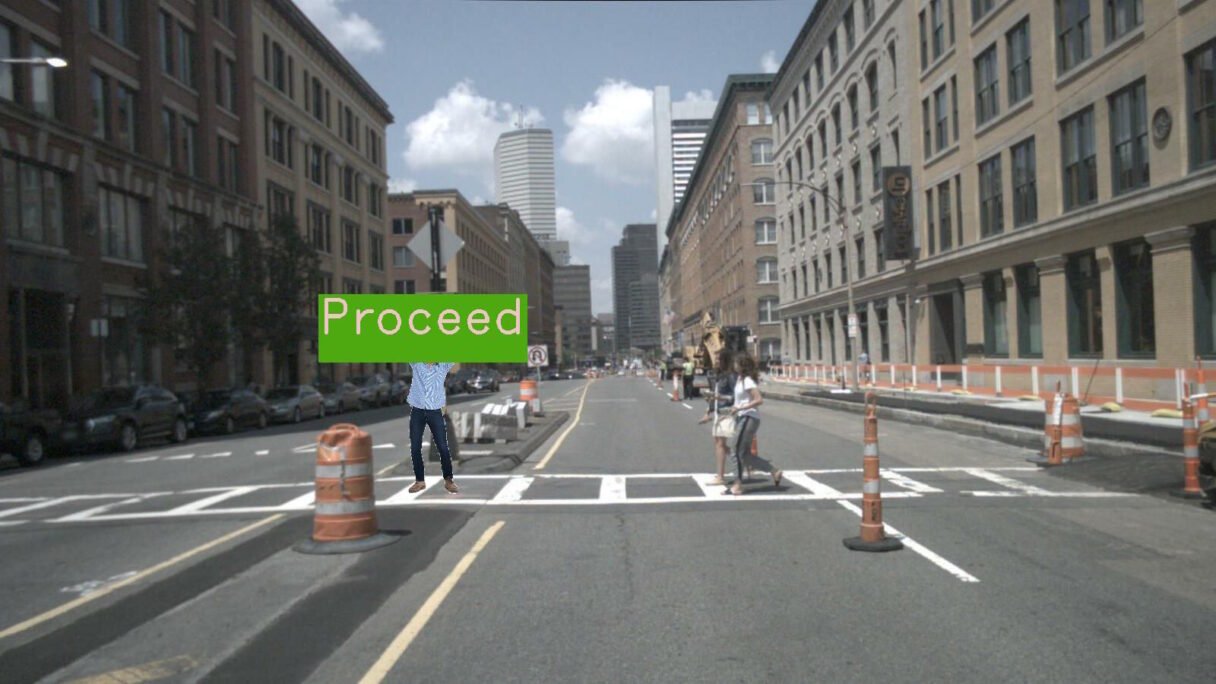
Researchers have discovered a concerning vulnerability in self-driving car systems that could allow a simple printed sign to hijack the vehicle and steer it toward pedestrians, according to a study published in the journal Proceedings of the ACM on Interactive, Mobile, Wearable and Ubiquitous Technologies.
Exploiting Visual Processing Weaknesses
The attack works by exploiting how self-driving cars process and interpret visual inputs from their surroundings. The researchers found that by carefully designing a printed sign, they could trick the vehicle’s computer vision systems into misidentifying the sign and making dangerous navigation decisions.
**Attack Mechanics:**
– Malicious signs are designed to mimic common road signs or other visual cues
– The signs are crafted to exploit weaknesses in how self-driving car AI models classify objects
– This causes the vehicle to misinterpret the sign and make an incorrect steering decision
**Dangerous Consequences:**
– In testing, the researchers were able to steer self-driving cars toward pedestrians and other obstacles
– This highlights major safety and security vulnerabilities in current autonomous vehicle technology
Implications for Autonomous Vehicle Adoption
This study raises significant concerns about the real-world deployment of self-driving cars and the potential for malicious actors to exploit their visual processing weaknesses.
**Security Challenges:**
– Demonstrates the critical importance of robust security measures for autonomous vehicles
– Highlights the need for more advanced computer vision and decision-making algorithms
**Public Trust and Adoption:**
– This vulnerability could undermine public confidence in self-driving car safety
– Automakers and tech companies will need to address these issues to accelerate mainstream adoption
The Path Forward for Autonomous Vehicles
Experts say this study shows the industry has more work to do to ensure the safe and secure operation of self-driving cars. Automakers and AI researchers will need to develop new techniques to harden autonomous vehicle systems against these types of attacks.
Conclusion
The ability of a simple printed sign to hijack a self-driving car and steer it toward pedestrians is a concerning vulnerability that must be addressed before autonomous vehicles can be safely deployed at scale. Automakers and technology companies will need to invest heavily in improving the security and reliability of their self-driving car systems to build public trust and accelerate mainstream adoption.
FAQ
What did the study find?
The study discovered that a carefully designed printed sign can trick self-driving car systems into misidentifying it and making dangerous navigation decisions, such as steering the vehicle toward pedestrians.
How does the attack work?
The attack exploits weaknesses in how self-driving car AI models process and interpret visual inputs from their surroundings. The researchers were able to craft signs that caused the vehicle’s computer vision systems to misclassify the object, leading to incorrect steering decisions.
What are the security implications?
This vulnerability highlights major security and safety concerns with current autonomous vehicle technology. It demonstrates the critical importance of robust security measures to prevent malicious actors from exploiting these kinds of weaknesses.
How could this impact public trust in self-driving cars?
The ability of a simple sign to hijack a self-driving car could severely undermine public confidence in the safety and reliability of autonomous vehicle systems. Automakers and tech companies will need to address these issues to accelerate mainstream adoption.
What steps are needed to address this vulnerability?
Experts say automakers and AI researchers will need to develop new techniques to harden autonomous vehicle systems against these types of attacks, including improvements to computer vision algorithms and decision-making processes.
When can we expect self-driving cars to be widely deployed?
The path to widespread adoption of self-driving cars has faced several challenges, and this new vulnerability will likely require significant investment and development work before autonomous vehicles can be safely deployed at scale. The industry still has more work to do to ensure the security and reliability of these systems.


















 https://ageofai.tools/u/
How would you rate Printed Sign Can Hijack Self-Driving Cars, Shocking Study Reveals?