
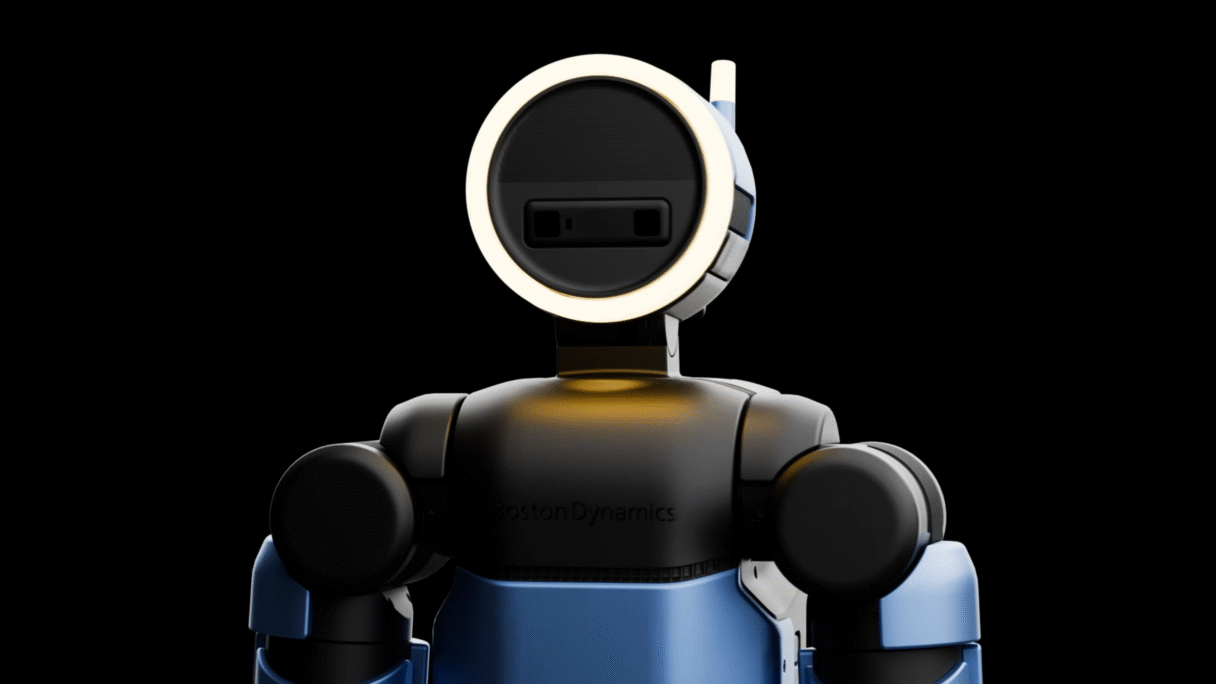
Boston Dynamics Unveils Production Atlas for Warehouses and Factory Floors
In a groundbreaking move, robotics pioneer Boston Dynamics has unveiled its latest creation – the production-ready Atlas robot designed specifically for warehouse and industrial environments. This state-of-the-art humanoid machine promises to revolutionize automation and material handling across a wide range of sectors.
Key Features and Capabilities
The new Atlas model boasts an impressive array of advanced capabilities that set it apart from traditional industrial robots. Powered by a sophisticated suite of sensors, including high-resolution cameras, depth perception, and force-sensing joints, Atlas can navigate complex environments, manipulate objects with precision, and even maintain balance on uneven surfaces.
One of the standout features is its advanced mobility, enabled by a combination of wheeled and bipedal locomotion. This hybrid approach allows Atlas to seamlessly transition between wheeling and walking, making it highly maneuverable in tight spaces and able to traverse obstacles with ease.
How It Works / Technology Behind It
At the heart of the Atlas robot is a state-of-the-art control system powered by advanced AI and machine learning algorithms. This intelligent system enables Atlas to perceive its surroundings, plan its movements, and execute tasks with a high degree of autonomy and adaptability.
The robot’s advanced actuators and power system provide the necessary strength and endurance for heavy-duty industrial applications. Additionally, its modular design allows for easy maintenance and upgrades, ensuring that Atlas can keep pace with the evolving demands of the warehouse and manufacturing sectors.
Use Cases and Practical Applications
The versatility of the Atlas robot makes it a valuable asset in a wide range of industrial settings. In warehouses, it can be deployed for efficient material handling, inventory management, and order fulfillment tasks, freeing up human workers to focus on more complex and strategic activities.
On factory floors, Atlas can be utilized for a variety of applications, including assembly, quality inspection, and material transport. Its ability to work alongside human colleagues, while maintaining a high level of safety and precision, makes it an attractive option for manufacturers seeking to enhance their productivity and operational efficiency.
Pricing and Plans
Boston Dynamics has not yet released detailed pricing information for the production-ready Atlas robot. However, the company has indicated that it will offer flexible leasing and purchasing options to cater to the diverse needs of its industrial customers.
Pros and Cons / Who Should Use It
Pros:
– Highly versatile and adaptable for a wide range of industrial applications
– Advanced mobility and manipulation capabilities for improved efficiency
– Autonomous operation and enhanced safety features
– Modular design for easy maintenance and upgrades
Cons:
– Pricing may be a barrier for smaller businesses or startups
– Requires specialized training and integration for optimal performance
– Potential concerns about job displacement due to automation
The Atlas robot is best suited for large-scale warehouses, manufacturing facilities, and logistics operations that are seeking to enhance their automation capabilities and drive operational excellence. Its combination of advanced technology and industrial-grade performance makes it a compelling solution for enterprises looking to stay ahead of the curve in the Age of AI.
Takeaways
– Highly versatile humanoid robot designed for warehouse and industrial environments
– Advanced mobility, manipulation, and autonomous capabilities
– Potential to revolutionize material handling, assembly, and quality control
– Flexible leasing and purchasing options, but pricing may be a barrier for some
– Ideal for large-scale enterprises seeking to enhance automation and efficiency
FAQ
What is the pricing for the Boston Dynamics Atlas robot?
Boston Dynamics has not yet released detailed pricing information for the production-ready Atlas robot. However, the company has indicated that it will offer flexible leasing and purchasing options to cater to the diverse needs of its industrial customers.
How easy is the Atlas robot to integrate and use?
The Atlas robot requires specialized training and integration for optimal performance. While it is designed to be highly autonomous, users will need to invest time and resources to ensure seamless integration with their existing workflows and systems.
What kind of support and documentation does Boston Dynamics provide?
Boston Dynamics is known for its comprehensive support and documentation for its products. The company offers a range of resources, including technical manuals, training materials, and dedicated customer support, to help users get the most out of their Atlas robots.
How does the Atlas robot compare to other industrial automation solutions?
The Atlas robot stands out for its advanced mobility, manipulation, and autonomous capabilities, which set it apart from traditional industrial robots. While it may be more expensive than some alternatives, its versatility and performance make it a compelling option for enterprises seeking to enhance their automation and efficiency.
What safety features are included in the Atlas robot?
The Atlas robot is designed with a range of safety features, including advanced sensors, collision detection, and emergency stop capabilities. These features help ensure that the robot can operate safely alongside human workers in industrial environments.





















 https://ageofai.tools/u/
How would you rate Boston Dynamics’ Groundbreaking Atlas Robot Unveiled for Factories?